
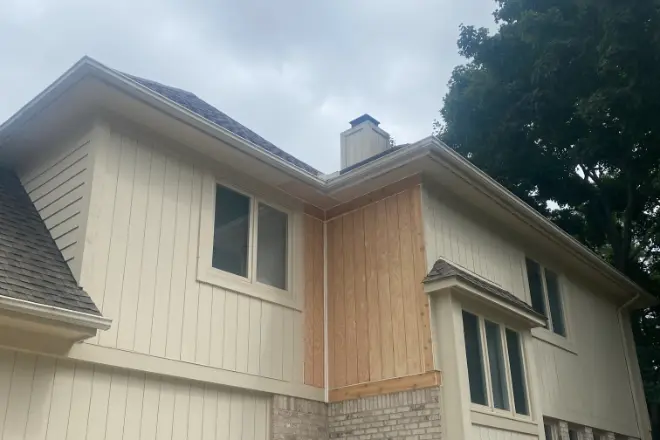
For owners dealing with repairs during winter, early-year timing can make simple decisions feel heavy. Cold weather, holidays, and school schedules squeeze calendars, while tax bills and insurance renewals hit the mailbox.
This resource helps you weigh whether to pause major work, stabilize what truly matters, or move forward without a full renovation. It is meant for people under stress from repairs, tenants, probate, divorce, or tight timelines.
Labor delays: what winter means for scheduling
Crews often run on limited hours around late-year holidays, then ramp back up slowly in January. Weather can stretch exterior timelines, especially for roofing, painting, concrete, and siding.
Expect longer lead times for licensed trades like electricians, plumbers, and HVAC techs. Call three contractors, ask for earliest site visit and start date, and request those dates in writing with a scope and a not-to-exceed estimate. Build a two-week buffer into any plan that involves multiple trades.
Material waits: order lists and backups
Supply timing can wobble in Q1, especially for windows, doors, flooring, appliances, and specialty fixtures. Before you hire, ask suppliers for in-stock alternatives and realistic delivery dates, not just vendor promises.
Create an A list and a B list for materials. For example, pick two acceptable flooring SKUs and two faucet models so the project does not stall. Confirm return policies and restocking fees in writing. If a permit is needed, verify your chosen materials meet code so you do not reorder later.
Stabilize first: safety, leaks, and heat
When time or money is tight, prioritize health and safety. Fix active leaks, unsafe wiring, failed heat, broken locks, trip hazards, and visible mold. Document what you do with dated photos, receipts, and a simple log of who did what and when.
Temporary fixes are acceptable if they are safe and disclosed. Examples include a roof patch to stop water, portable dehumidifiers to dry a basement, or a space heater while you schedule HVAC service. If occupants remain in the home, install working smoke and carbon monoxide alarms and test GFCIs. If you are unsure about a condition, a licensed home inspector can provide a punch list.
Hold or sell: how to think about timing
Q1 often lines up with property tax payments and insurance renewals. Add those to your holding cost math, along with mortgage, utilities, lawn or snow service, HOA dues, and any vacancy insurance surcharges.
If repairs slip into late winter, ask what another 60 to 90 days costs you compared to your likely repair benefit. Write down three numbers: total repairs to reach a basic livable standard, total to reach your ideal upgrade plan, and total monthly carry. Then decide if you prefer stabilizing and holding, or selling without the full plan.
Compare realistic paths: repair, list, hold, rent, or sell as-is
Repair fully and list: fits owners with cash on hand, reliable contractors, and time to manage inspections and showings. Pros include more buyer interest and possibly fewer repair requests after inspection. Cons include upfront cost, downtime, and potential change orders.
Stabilize and list as light-fix: fits when you can address safety and water issues but skip cosmetic work. Pros include faster timeline and lower spend. Cons include fewer buyers and credits after inspection. Hold and rent: fits when the home can meet local habitability standards and you are ready to be a landlord or can hire a manager. Pros include income and potential tax advantages. Cons include tenant risk, ongoing maintenance, and varying landlord-tenant rules by state.
Sell as-is directly to a reputable home-buying company: fits when you prefer speed, certain timing, and no repairs or showings. Expect to share photos or allow a brief walk-through, then receive a written offer with a target closing date. You can request a rent-back or short occupancy after closing if needed. If you want a simple option, you may contact OC Acquisitions for a no-obligation as-is offer while you compare choices.
Q1 Repair Delay Action List: Winter priorities
- Pull and review bills due by March 31, including property taxes, insurance renewal, utilities, and HOA dues. Note exact due dates and late fees.
- Call three licensed trades for your top two issues. Ask for earliest visit, estimated start window, permit needs, and a written estimate with materials listed.
- Visit two suppliers or call their pro desks. Confirm in-stock options, delivery dates, and return policies for windows, doors, flooring, and appliances.
- Stabilize safety items within seven days: stop active leaks, restore heat, secure entries, and install working smoke and CO alarms. Keep receipts and photos.
- Check your insurance coverage for vacancy or construction clauses. Ask your carrier about any endorsements needed and how claims work during repairs.
- If selling within the quarter, gather key documents: last two years of tax bills, insurance declarations page, mortgage statement, any permits, warranties, and recent inspection reports.
- Set a decision date two weeks from today. On that date, choose one path based on written bids, material timing, and your holding cost math.
Common questions
Do I need permits for small winter repairs?
It depends on the scope and local rules, which vary by state and city. Simple like-for-like repairs may not need a permit, but electrical panels, structural work, new windows, and HVAC replacements often do. Call your local building department and ask before you start.
Is it worth doing cosmetic upgrades if materials are delayed?
Often, it is smarter to complete safety and water control first, then reassess. If delays push you into spring, cosmetic work can still be done, but only if the added time and holding costs make sense on paper. Price alternatives and keep a fallback finish ready.
What should I disclose if I sell without finishing repairs?
Most states require sellers to disclose known defects and past issues in good faith. Provide inspection reports, repair receipts, and a short list of any temporary fixes you made. Clear, simple disclosure can reduce surprises during buyer inspections.
This article is general information, not legal, tax, or financial advice. Rules and timelines vary by state and by situation, so confirm specifics with a qualified professional before you act.