01
Understand the situation
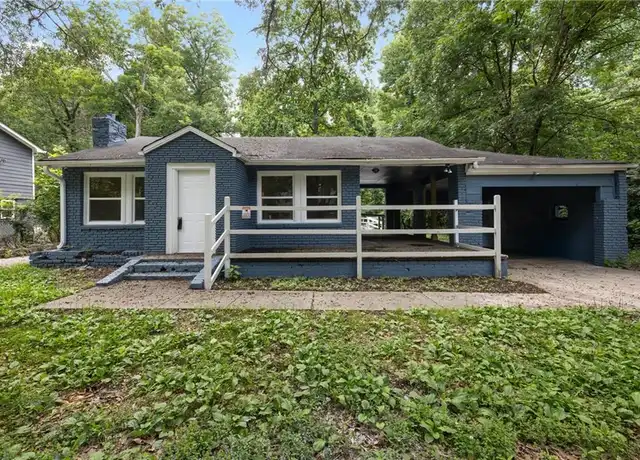
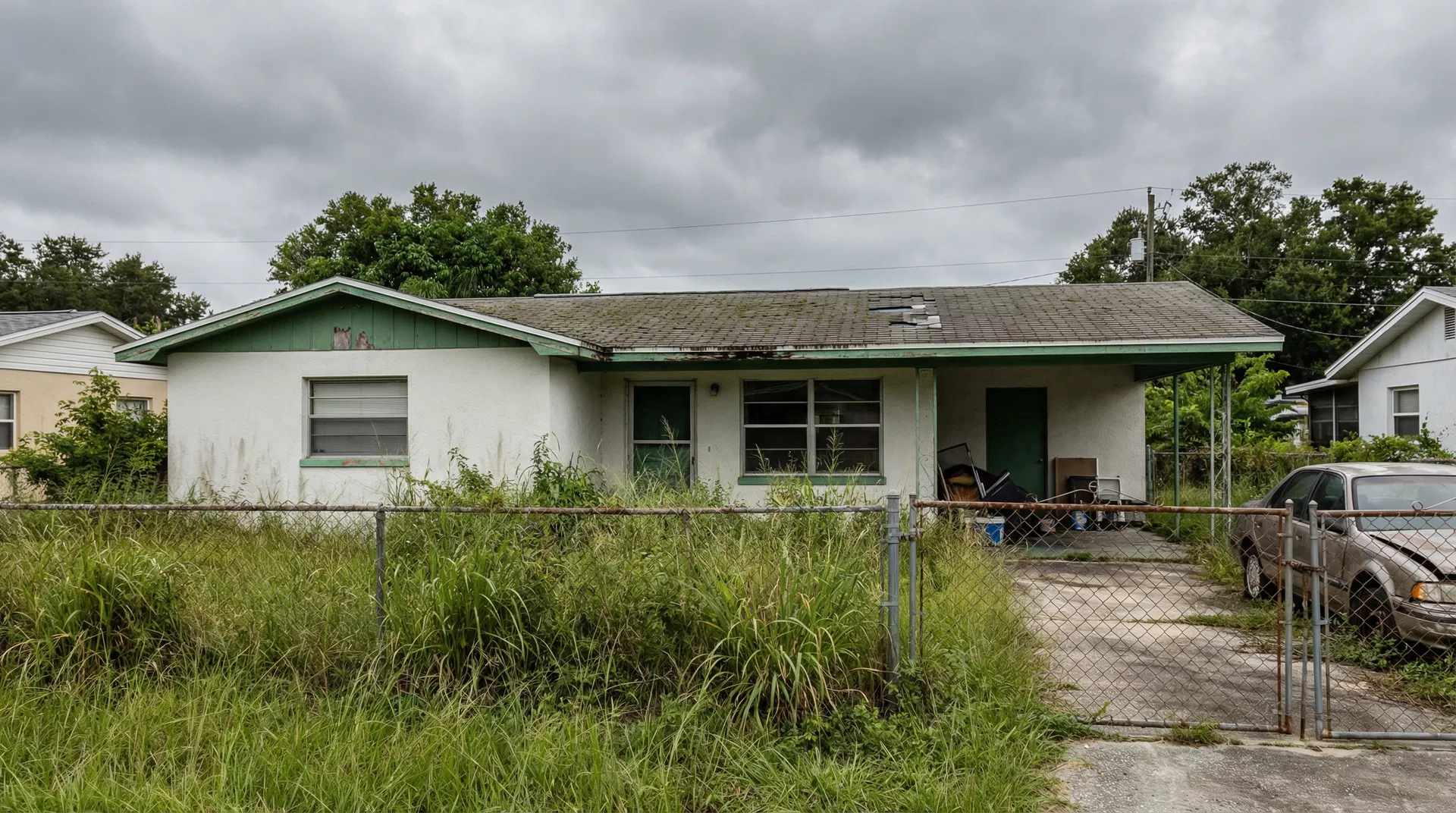
Large repair decisions rarely stay limited to one bid or one contractor. They usually expand into permitting, scheduling, access, budget overruns, inspections, and months of management burden. That is why many owners eventually realize the core issue is not value alone, but whether they want to absorb the project at all.
02
Gather the key facts
Separate true safety or stabilization work from cosmetic or speculative upgrades. If there is active water intrusion, structural risk, or damage that could worsen quickly, stabilize that first. Beyond that, it often helps to pause and compare the likely repair cost, hold time, and sale friction before assuming a full renovation is the best move.
03
Compare the realistic options
Some properties justify repair and resale preparation, some only need limited stabilization, and others are better evaluated as-is because the scope is too large or the owner's bandwidth is gone. A direct sale can be one useful option in that comparison, especially when the project has already become the main problem.