
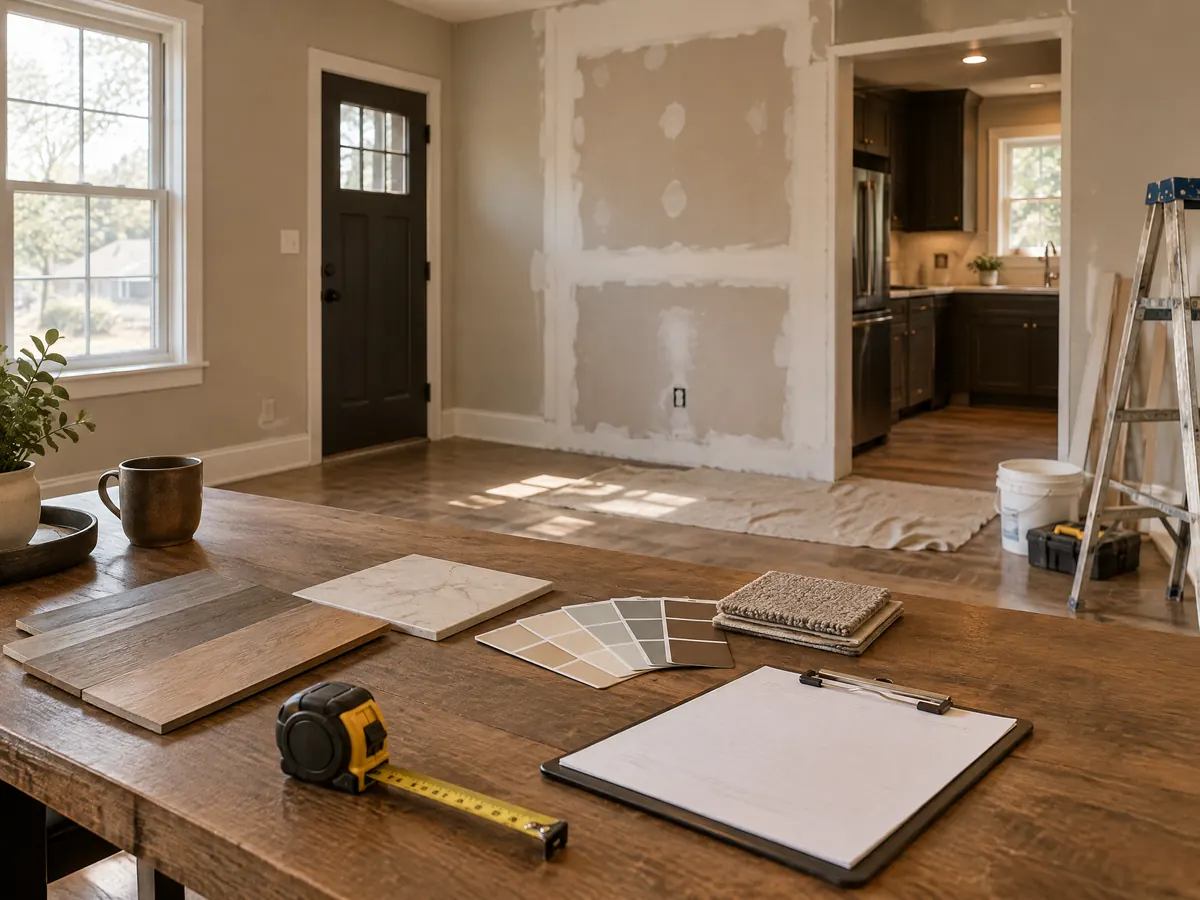
If you have a house with projects that kept getting pushed to someday, fall tends to force decisions. Cooler weather, holiday schedules, and tax bills arriving can make a half-finished or never-started repair feel urgent.
This edition is for owners and heirs weighing whether to fund a full rehab, scale back, postpone, or sell as-is before winter. You will clarify costs, time, and risk so you can choose a path that fits your money, schedule, and stress level right now.
Budget overruns: what changed and what to count now
Many owners start with an old estimate and get blindsided. Labor rates, materials, and lead times often shift between the first quote and the real start date, and winterization adds more line items.
Rebuild your budget from the ground up. Price materials at current retail, add contractor quotes that include permits and disposal, then add a 15 to 25 percent contingency for unknowns like hidden rot or electrical fixes discovered after demo. Include temporary housing if major systems will be offline, storage, dumpster fees, and a buffer for weather delays.
Contractor wait times and holiday calendars
Fall schedules fill because contractors try to close out the year and homeowners aim to finish before the holidays. Once school is in session, weekday access windows narrow, which can push your slot to late winter.
Call three to five licensed contractors for the same scope and ask two things in writing: earliest realistic start and days to completion. Ask who shows up if flu season thins their crew, how they protect exposed areas from rain or snow, and what happens if inspections get pushed due to year-end staffing.
Scope creep: from quick fix to full project
A small patch can turn into a system replacement once walls open. Water intrusion, outdated wiring, and soft subfloors are common surprise drivers in older homes and rentals that sat vacant.
Define must-haves versus nice-to-haves before you sign. Put a cap on change orders, require written approval for any add-ons, and set a hard stop if surprises blow past your contingency. If code upgrades are triggered, ask the contractor to list which ones are required and what alternatives exist that still pass inspection.
When the as-is option starts making sense
There is a point where the cash out, time, and disruption do not pencil out. If repairs exceed your available funds, if insurance is at risk of nonrenewal due to condition, or if winter will stall exterior work, a direct as-is sale can be the simpler path.
An as-is sale typically trades a lower price for speed and certainty. You stop carrying costs like taxes, utilities on heat to prevent freezing, and vacancy risk during the holiday travel window. Get a firm number after a quick walk-through and compare that to your all-in repair plan, not just the lowest bid.
Repair, list, hold, rent, or sell as-is: a side-by-side reality check
Repair and keep makes sense when you have cash plus a healthy contingency, flexible time, and a clear plan that improves safety and long-term costs. Listing after repairs can work if you can finish upgrades buyers expect, handle showings through the holidays, and manage negotiations and potential credits for any missed items.
Holding without repairs fits when issues are cosmetic, weatherproofing is solid, and insurance and local rules allow time to plan. Renting can bridge a gap if the home is safe, systems are working, and you can complete minor fixes between tenants. Selling as-is directly to a company like OC Acquisitions often fits when permits, code items, or big-ticket systems would drain savings, when contractor start dates slip into winter, or when you value a certain closing before year-end taxes and insurance renewals.
Q4 repair reality checklist: decisions before winter sets in
- Gather three current bids for the same written scope, including permits, disposal, and weather protection.
- Price key materials today and add a 15 to 25 percent contingency to your total project budget.
- Call your insurance carrier to confirm coverage and any deadlines to address roof, wiring, or plumbing issues before renewal.
- Pull last year’s tax bills and estimate carrying costs through March, including utilities needed to prevent freezing or moisture damage.
- Ask contractors for earliest firm start dates, holiday blackout periods, and backup staffing plans in writing.
- Schedule a pre-winter systems check: furnace or boiler service, gutter cleaning, and a quick moisture scan in attic and crawl spaces.
- Get at least one firm as-is purchase offer based on a walk-through, then compare it to your all-in repair and carry total.
Common questions
How much contingency should I add to a repair budget in the fall?
Many owners add 15 to 25 percent in Q4 because weather, inspections, and holiday schedules increase risk. Older homes or known water damage may warrant the higher end.
Is it better to pause until spring to start major work?
If exterior work or foundation access is required, spring can be easier. If insurance or safety is at stake, address critical items now or consider an as-is sale to avoid winter carrying risk.
Can I rent the property while planning bigger repairs for later?
Possibly, if the home is safe, systems function, and local rules allow it. Factor in tenant rights, the cost of making it habitable now, and the challenge of scheduling larger work with a lease in place.
This article is general information, not legal, tax, or financial advice. Rules and timelines vary by state and by situation, so confirm specifics with a qualified professional before you act.