
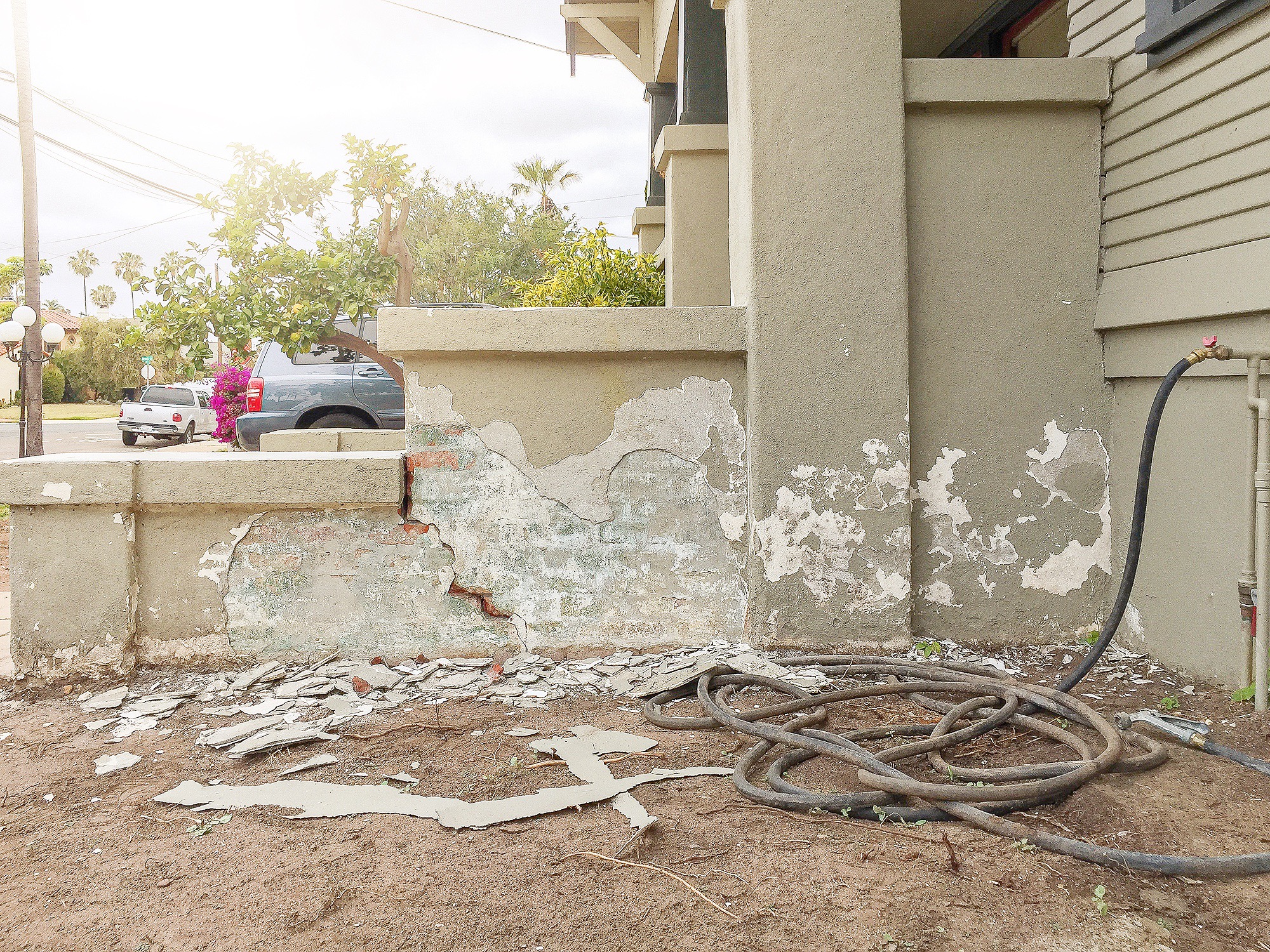
For owners staring at repair estimates that jumped since spring, and for heirs or spouses trying to move a property forward, summer can feel like a wall. Heat, vacations, and school prep do not stop a leaking roof or a failing HVAC.
This quarter is about deciding how far to push repairs before fall, and when to change course. You will weigh time, cash, and capacity against the condition of the house and your goals for the next 90 days.
Bid shock: when the estimate is higher than the plan
It is jarring to see a bid land 20 to 40 percent higher than the talk you had in the spring. Materials, specialty labor, and permit requirements can stack up, and small scope changes add large costs. Do not freeze. Break the estimate into line items and ask for an itemized version if you did not receive one.
Sort the work into must-do for safety or habitability, code or lender-required, and nice-to-have. Ask for a value-engineered revision that keeps structural, roof, plumbing, and electrical priorities, and swaps finishes to more available, lower-cost options. Request a second and third bid using the same written scope so you are comparing the same work. If a contractor will not itemize, that is a signal to slow down.
Supply lag: parts and materials that will not show up on time
Summer is peak demand for roofing, HVAC, exterior paint, and windows. Lead times often stretch, and crews book out. Ask suppliers directly about stock on the specific brand and model in your scope. If your contractor handles materials, ask them to quote alternates that are actually in the warehouse.
Create a two-column plan: approved materials and acceptable substitutes. For each, write down lead time, price, and warranty differences. For critical items like HVAC condensers or service panels, confirm with photos and model numbers in the proposal. If something slips beyond four weeks, ask whether a temporary fix, window unit, or patch can bridge to fall so you are not stuck during back-to-school and storm season.
Project fatigue: when the grind outweighs the goal
By mid-summer, family travel, heat, and back-to-school shopping drain energy. If you are juggling probate, tenant issues, or insurance renewals, even small projects can stall. Name it. Write a simple one-page plan for the next 30 days with three non-negotiables and a stop-loss date.
Build support. Schedule a weekly 15-minute call with your contractor on the same day and time. Ask a trusted friend to serve as a second set of eyes on invoices and change orders. If you manage from a distance, hire a home inspector or project manager for a single mid-project visit. A $300 to $500 check-in can prevent a $3,000 mistake.
Repair choice: picking what to fix now and what to leave
Not every fix pays for itself, especially on a tight summer calendar. Health and safety first. Prioritize roof leaks, active plumbing leaks, faulty wiring, broken windows, unsecured entries, and anything causing mold or structural damage. These are the items that can worsen quickly in summer storms and humidity.
Cosmetic work often waits. Paint touch-ups, flooring upgrades, and appliance swaps are easier in cooler months and can be priced again later. If you plan to list, ask a local agent for a two-tier list: must address to pass typical buyer inspections, and optional to widen appeal. If you plan to hold or rent, ask a licensed property manager what is required by code and custom for a safe, rentable unit in your area. Rules and expectations vary by state and by lease standards.
Choosing a path for Q3: repair, list, hold, rent, or sell as-is
List and repair as you go fits when you have at least basic safety issues handled, time for showings, and a cushion for buyer credits after inspections. Expect to document any incomplete items and be ready for re-negotiations. Good photos and clear disclosures reduce surprises. This route takes the most calendar time but can return more if the house is close to market-ready.
Finish targeted repairs before listing if you can complete them within 30 to 60 days, you have firm bids, and materials are on hand. This reduces buyer uncertainty. Get a pre-listing inspection to catch hidden items that would derail a sale later. Keep receipts and permits in a single folder for buyers and appraisers.
Hold through summer if taxes, insurance, and utilities are manageable and you need breathing room. Use this time to complete only critical repairs, gather records, and plan a fall decision. Confirm insurance coverage while the property is vacant or under renovation, because policies differ by carrier and vacancy. Call your insurer to document the current occupancy status.
Rent if the property can meet habitability standards with limited work and you are comfortable being a landlord or hiring management. Budget for safety fixes, cleaning, locks, smoke and CO detectors, and legal lease forms. Learn local rules on deposits, notice periods, and licensing, which vary by state and city. A property manager can quote a lease-up fee and monthly percentage so you can compare costs.
Sell as-is directly to a home-buying company when time, stress, or repair risk outweigh the upside of fixing and listing. This tends to fit if bids are unstable, access is difficult, or the house has major systems at or beyond life expectancy. Request a written offer, ask what contingencies apply, and confirm who pays closing costs and for any title issues. If you want a direct option without repairs, OC Acquisitions can provide a no-obligation as-is offer alongside the other paths you are considering.
Q3 action list: summer repair and sale decisions
- Pull together one folder with insurance policy, last tax bill, utility accounts, permits, warranties, and any old inspection reports.
- Request two additional bids using the same written scope. Ask each for itemized labor, materials, lead times, and substitutes with prices.
- Call your insurer to confirm coverage for vacant or renovating property and note any deadlines around renewal dates this summer.
- Book a 30-minute consult with a real estate or probate attorney if title, liens, or estate questions exist. Ask what documents you need to gather now.
- Schedule a mid-project third-party check: licensed home inspector or independent contractor to verify work quality and change orders.
- Decide your stop-loss date for repairs this quarter. If not met, shift to plan B, whether listing as-is, renting, or seeking a direct as-is sale.
- If listing, order a pre-listing inspection and complete only the highest ROI safety and system fixes. If renting, confirm local habitability standards and lease forms.
Common questions
What if my contractor’s bid is way higher than the ballpark they mentioned earlier?
Ask for an itemized bid that matches a written scope, then request a value-engineered revision that preserves safety and structural items. Get at least two comparable bids on the same scope, and ask each to list lead times and substitutes. If a contractor will not itemize, consider that a red flag and move on.
Can I sell a house in need of major repairs during summer without fixing everything?
Yes, many buyers will consider homes with deferred maintenance if safety hazards are addressed or disclosed and priced accordingly. You can list as-is and be ready to credit for repairs after inspections, or you can sell directly as-is to a company that handles repairs after closing. Ask a real estate professional what is typical in your area, because practices vary by state.
How do I keep a summer project from dragging into fall?
Pick a limited, critical scope and order materials that are confirmed in stock. Set a weekly standing check-in with your contractor, and put a stop-loss date in writing for when you will change course if delays continue. Keep all decisions and approvals in email with dates, photos, and model numbers to cut back-and-forth.
This article is general information, not legal, tax, or financial advice. Rules and timelines vary by state and by situation, so confirm specifics with a qualified professional before you act.