Code Violations
When Code Enforcement Pressure Changes Your Sale Options
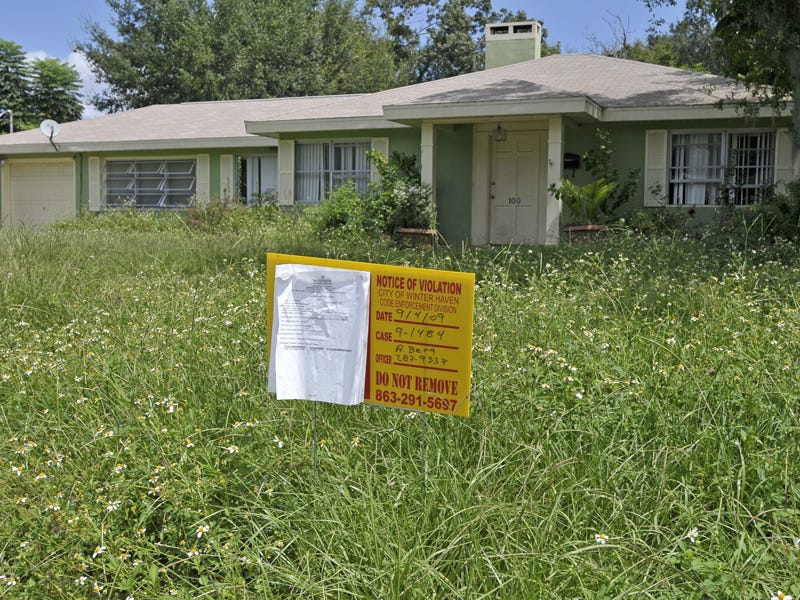
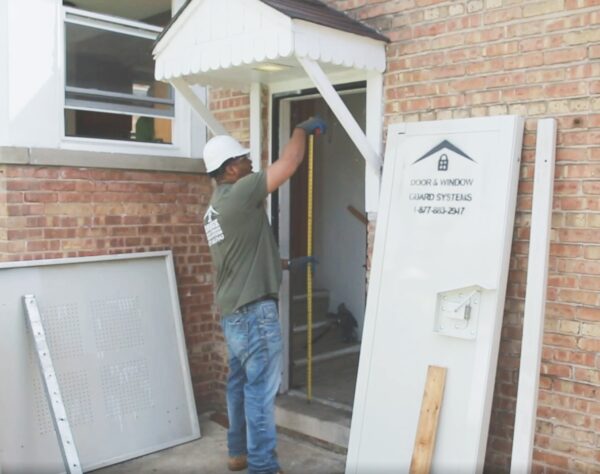
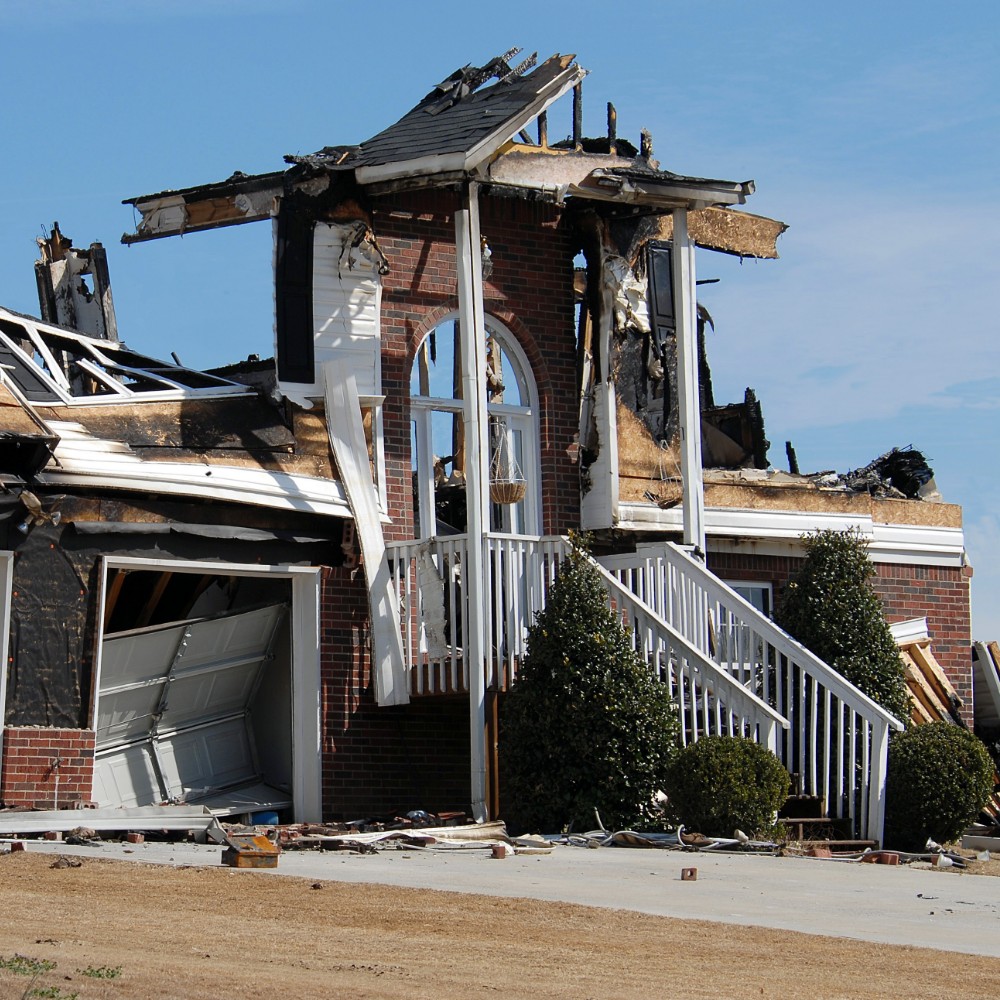
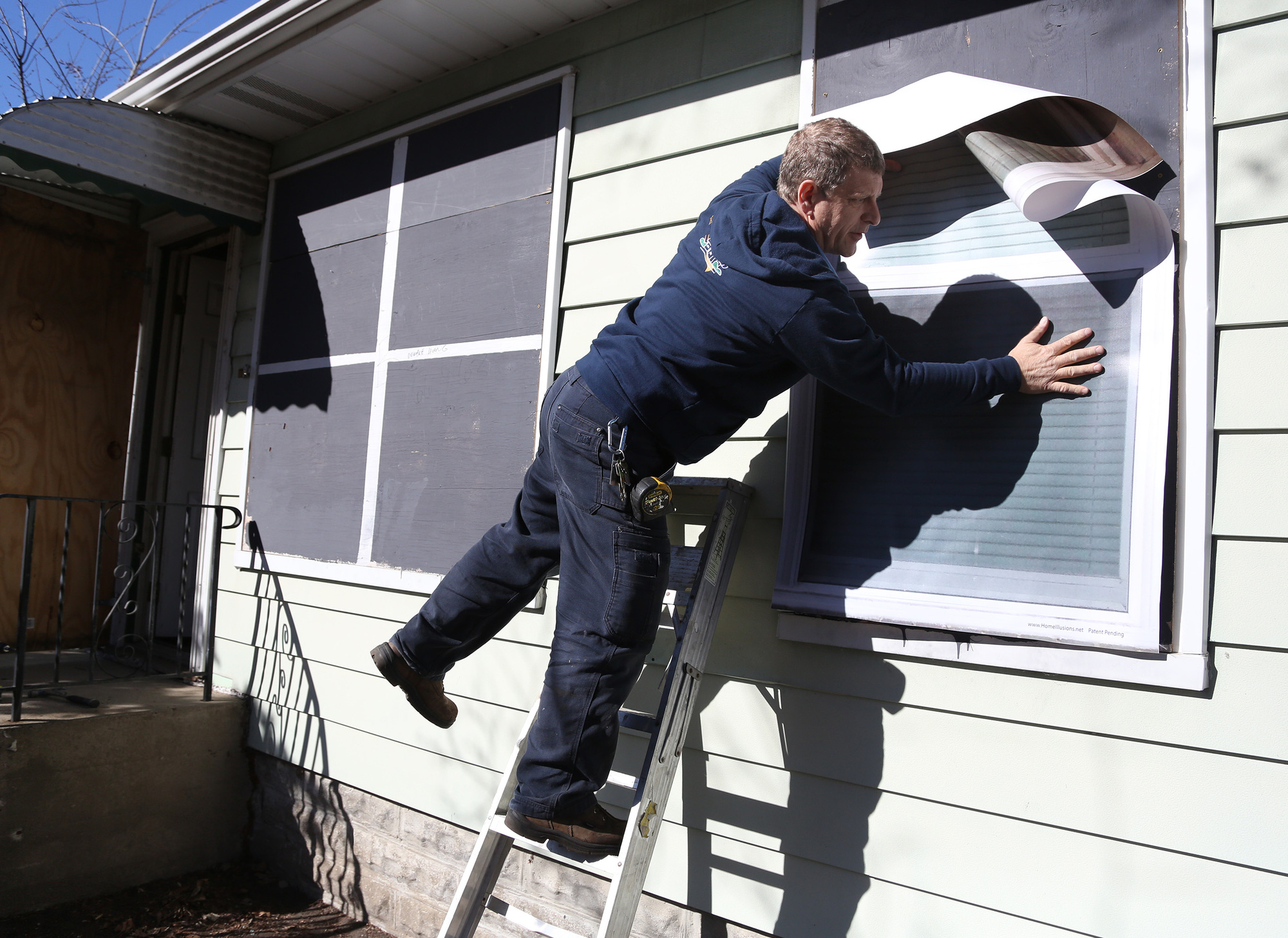
Escalating notices, fines, and repair deadlines can make speed and certainty more important than chasing an idealized retail outcome.

OC Acquisitions Insights
Browse scenario-based guidance for distressed residential owners without the oversized treatment or cluttered archive controls.
Articles
36
Topics
16
Latest update
December 10, 2026

Code Violations
Escalating notices, fines, and repair deadlines can make speed and certainty more important than chasing an idealized retail outcome.
Archive filters
Archive results
Use the search bar and compact selectors to move through the archive more cleanly while keeping the original article titles, slugs, and body copy intact.
Inherited Property
Families often need to coordinate personal property, authority, timelines, and cleanup vendors before the real-estate decision becomes clear.

Property Condition
Structural movement, water intrusion, and engineering uncertainty often push owners toward simpler execution rather than a long repair-and-list cycle.

Occupied Property
Access problems can affect inspection, valuation, insurance, and closing confidence, especially when a distressed property is not fully under the owner's control.

Bankruptcy
When a property is tied to a bankruptcy matter, authority, court process, and closing sequence should be clarified before anyone assumes a sale timeline.

Property Condition
Cleanup burden, access limits, odor, damage, and emotional fatigue often make a direct acquisition path worth evaluating sooner rather than later.

Title Issues
Open estates, unresolved liens, missing heirs, and recording gaps can slow a transaction unless they are identified early.

Tax Delinquency
Back taxes change the math quickly. Owners should understand payoff pressure, timing, and how delinquency affects their realistic exit options.

Disposition Strategy
The best first conversation is factual and organized. Here is what owners should gather before speaking with an acquisitions team.

Repairs
Owners often wait too long when the repair list is expanding faster than their ability to manage it.

Inherited Property
Association rules, special assessments, condition, and access all affect how inherited condominium units should be evaluated.

Disposition Strategy
Start the year with a more disciplined framework for comparing listing, holding, repairing, or selling directly.

Fast Sale
The answer depends less on the calendar and more on documentation, occupancy, and whether the owner is prepared to move decisively.

Disposition Strategy
Some owners over-improve because they are chasing a listing narrative that may not fit the asset or the timeline.

Divorce
When multiple decision-makers share a property, alignment on process matters as much as price.

Foreclosure
A simple documentation and timeline checklist can make the difference between reactive scrambling and a controlled next step.

Repairs
Unresolved code issues can complicate a retail listing, which is why some owners explore direct disposition before investing more time and money.

Fast Sale
For owners leaving a market on a compressed schedule, certainty and execution can matter more than a theoretical retail upside.

Vacant Property
The longer an inherited property sits vacant, the more maintenance, insurance, and security exposure tends to accumulate.

Transaction Costs
Owners are often surprised by how quickly repair credits, concessions, and transaction costs compress proceeds on a distressed asset.

Occupied Property
Occupancy affects access, timing, repairs, and move-out coordination, which is why it should be addressed at the start of the sale discussion.

Disposition Strategy
A direct-sale path can outperform a delayed listing when foreclosure deadlines, property condition, and carrying costs are all working against the owner.

Inherited Property
Shared ownership becomes easier to navigate when timeline, cleanup, authority, and pricing expectations are surfaced early.

Repairs
Once emergency work is done, owners still need a rational plan for a property with lingering damage or unresolved repair scope.

Landlord Exit
Why many owners use year-end to reassess problem rentals, deferred capex, and whether a direct sale should happen before spring.

Fast Sale
A realistic look at title readiness, underwriting, occupancy, and what actually determines closing speed.

Disposition Strategy
Use this framework to compare privacy, timing, repairs, and net outcome when the standard listing playbook feels misaligned.

Inherited Property
A short documentation list that can make inherited-property decisions move faster and with less confusion.

Repairs
Properties that are half-finished or materially damaged often need an acquisition-minded buyer, not a cosmetic marketing campaign.

Low Equity
When margin is tight, every fee, repair, and timeline assumption matters more than usual.

Vacant Property
Insurance, maintenance, and security concerns turn vacancy into a costly delay if owners do not act deliberately.

Landlord Exit
How to assess vacancy, tenant issues, deferred maintenance, and sale timing before putting more money into a draining asset.

Repairs
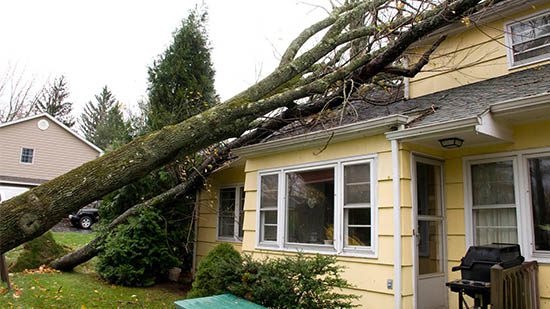
Roof issues, mechanical failures, and deferred maintenance can change the entire sale equation for owners trying to decide what to do next.

Divorce
A quieter transaction structure can reduce tension when both parties need a jointly held property resolved without creating new disruption.

Inherited Property
Why many heirs choose an as-is strategy once clean-out, probate timing, and repair scope are on the table.

Foreclosure
A practical first-response checklist for owners weighing reinstatement, sale timing, and direct-acquisition options before lender pressure escalates.
Start the conversation
Educational content is useful, but difficult property situations usually still need a direct conversation about records, timing, condition, and strategy.
+1 (602) 691-5085 · [email protected]