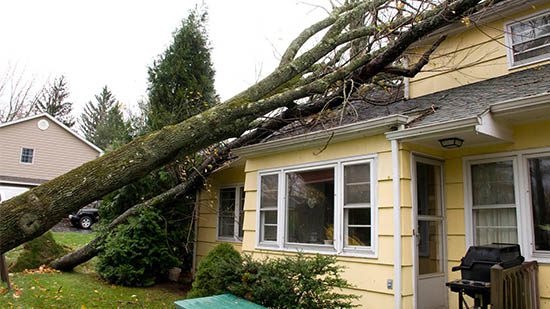
The adjuster came and the tarps are up. Now you are staring at wet drywall, a roof claim in motion, and a house that feels stuck between a jobsite and a home.
Before you commit to repairs or a sale, decide what you are solving for first. Is it time, cash, risk, or the highest possible price after costs and delays. That choice drives every next step.
Lock down the real scope, not just the claim line items
An insurance estimate often covers what was visible in the first week. It may miss trapped moisture, hidden structural issues, or code upgrades. Get at least one independent, written scope from a licensed contractor that includes photos and a timeline.
Ask for a realistic schedule with lead times for roofing, mitigation, and trades. Note permit requirements and inspection steps, which vary by state and city. If the home is not safe or watertight, plan temporary measures like drying, dehumidifiers, and board-up to limit further damage and disputes over coverage.
Know your claim status, depreciation, and supplements
Confirm where your claim stands: initial payment released, mortgage payee on the check, and whether recoverable depreciation applies. Many policies split payment into actual cash value now and depreciation later, released after proof of completed repairs.
If your contractor finds extra damage, they can submit a supplement with photos and a revised estimate. Ask your adjuster for typical supplement turnaround times. Keep every invoice and mitigation log, since missing paperwork can delay funds, which affects when and how you can sell.
Lender controls and contractor realities that impact timing
If you have a mortgage, the insurer’s check may include your lender and must be endorsed. Many lenders hold repair funds in an escrow and release draws after inspections. Call your loan servicer’s loss mitigation or claims department to learn their draw schedule and requirements.
Contractor availability and pricing swing after storms. Some require a signed work authorization tied to your claim amount, others quote fixed bids. Verify license, insurance, references, and lead times. Ask who handles permits and inspections, and what happens if supplements are denied.
How buyers view storm damage, insurance, and financing
Retail buyers using a mortgage usually want a safe, insurable home. Lenders may require a functioning roof, no active leaks, and utilities on. Some loans allow escrow holdbacks for minor exterior items or a rehab loan, but that adds paperwork and time and not every buyer or lender will agree.
Cash buyers may consider properties mid-repair or as-is, but they will price in risk, unknowns, and time. Open insurance claims, tarps, and prior water events raise questions about mold, permits, and workmanship. Clear documentation, recent moisture readings, and paid invoices reduce the discount in many cases.
Which path fits: finish, partial, list as-is, hold, or sell direct
Finish full repairs if you have a clear scope, reliable trades, and the funds to bridge depreciation until final release. You tend to net more when the home is fully functional, insurable, and shows well, but you take on weeks or months of coordination and holding costs.
Do a partial repair when you can quickly make the home safe and insurable. For example, replace the roof and dry the interior, then sell with a credit for finishes. This can widen your buyer pool while avoiding the last 20 percent of work that often takes 80 percent of the time.
List as-is on the open market if you can wait for the right cash or flexible buyer and you have organized disclosures. Expect a smaller pool and negotiations around risk and permits. Hold and rent only if the property is safe, insured for its current state, and the cash flow beats your monthly costs, which include taxes, insurance, interest, utilities, and repairs.
Sell directly, as-is, to a reputable home-buying company when speed, simplicity, or claim complexity matters more than squeezing out top price. This can work well with open claims, lender-held funds, or extensive repairs you do not want to manage. If you want a direct option, you can request an offer from OC Acquisitions and compare it against your other paths without obligation.
What to gather and do this week before choosing a path
- Download the full claim file from your insurer, including estimate, photos, and policy excerpts on depreciation and code upgrades.
- Call your loan servicer’s loss mitigation or claims team and ask for their insurance check endorsement and repair draw process in writing.
- Get two contractor scopes with timelines, materials lead times, and permit steps, plus a separate moisture assessment if water was involved.
- Photograph every affected area after mitigation, and keep invoices for tarps, drying, board-up, or debris removal to support supplements.
- Request in writing the status of any supplements and the expected timeline for review and payment from your adjuster.
- Ask your insurance agent or carrier if the home is currently insurable and what is required to bind or maintain coverage during repairs.
- Estimate monthly holding costs for the next 3 to 6 months, including mortgage, taxes, insurance, utilities, lawn, and security.
Common questions
Can I sell a house with an open insurance claim?
Often, yes. You can assign claim proceeds in the purchase agreement or close with an escrow for pending funds, depending on your insurer and lender. Buyers will want clear documents, including the claim estimate, receipts, and any contractor agreements.
Will my mortgage company release insurance funds if I sell before repairs are done?
Many servicers hold funds and release them as repairs are completed or when a qualified buyer takes over with approved escrow arrangements. Ask your servicer for their written policy. You may need inspections, a contractor agreement, or a payoff at closing to resolve the funds.
Should I repair the roof or sell as-is after storm damage?
Replacing the roof often opens up traditional financing and broader demand, which can raise offers. If timelines, cash, or contractor access are tight, selling as-is may be faster even at a discount. Price the difference by comparing added net proceeds against extra months of holding costs and effort.
This article is general information, not legal, tax, or financial advice. Rules and timelines vary by state and by situation, so confirm specifics with a qualified professional before you act.