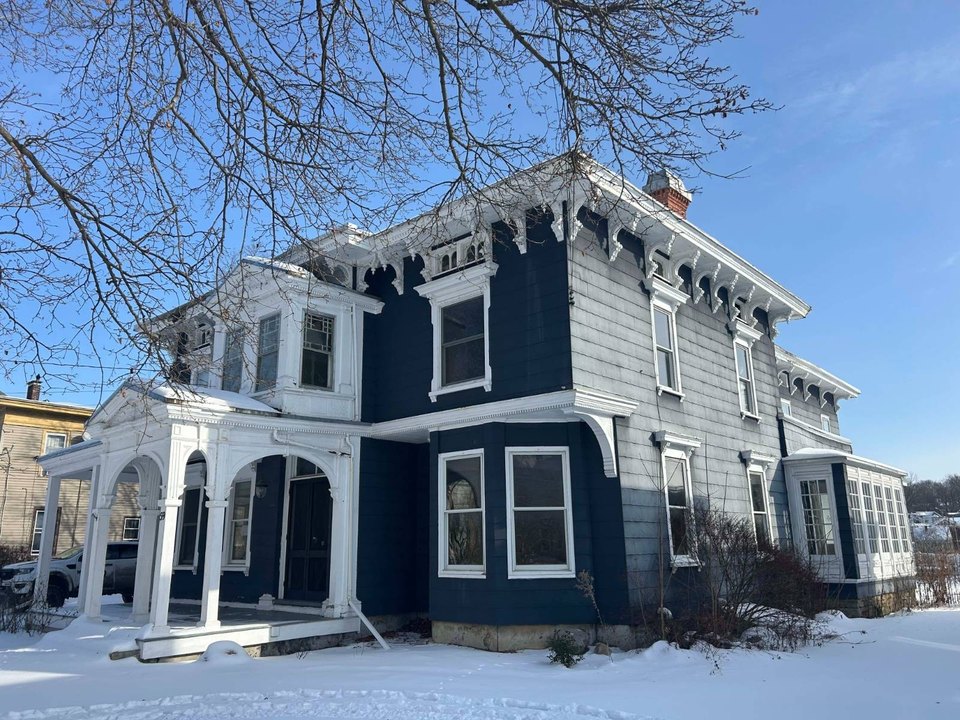
You are staring at a growing repair list. A small leak turned into ceiling stains, the HVAC is limping, and a buyer’s inspection last year still haunts you. You need to decide whether to keep fixing or to sell before the next surprise hits.
Start by getting clear on your risks, your timeline, and your cash. Then compare what you would net by repairing and listing against what you could net by selling as-is. The more the problems spread, the faster this math shifts.
How to spot when repairs are compounding, not isolated
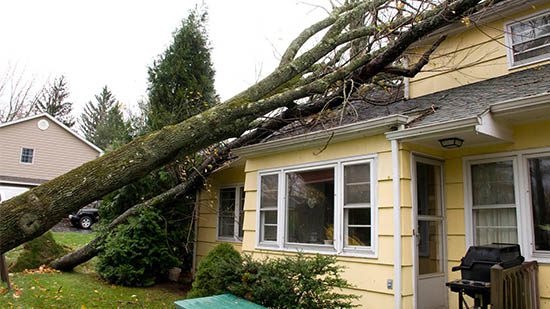
Some problems stay in their lane. A broken window or a simple appliance swap is contained and predictable. Compounding issues tend to connect systems, like a roof leak that leads to attic mold, drywall damage, and an insurance headache.
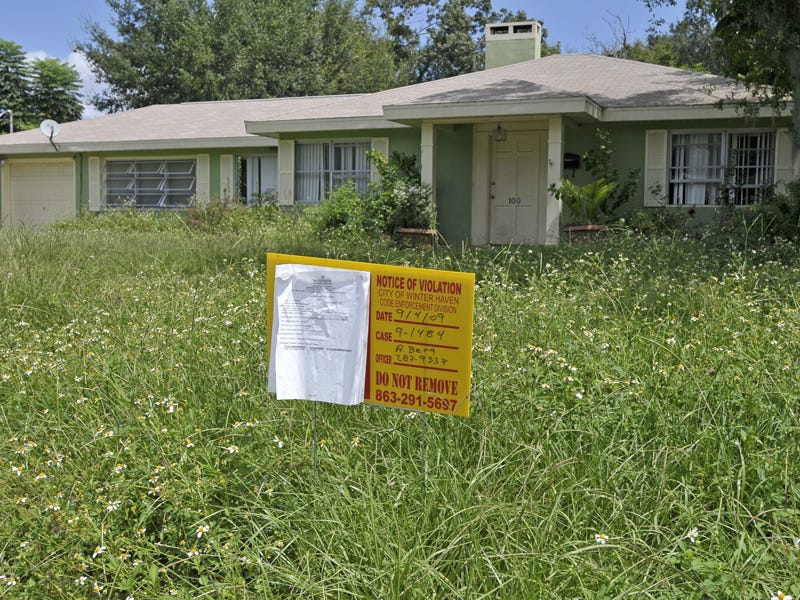
Red flags include active water intrusion, electrical panels or wiring flagged as obsolete, soft spots in floors, persistent moisture or mold odor, foundation movement, and aging major systems past typical life ranges. Also watch for letters from your insurer about nonrenewal or required repairs, and any notices from the city about code violations. Those are signs costs can jump if you wait.
The real cost of waiting, beyond the repair bill
Holding costs add up every month you delay. Mortgage interest, property taxes, insurance, utilities, yard care, and HOA dues are cash out the door whether you swing a hammer or not. If the place is vacant, you may also be paying for alarms, periodic checks, or higher insurance rates.
Waiting also introduces risk you cannot price easily. Small leaks become structural, pests spread, and buyers get wary of stale listings. Contractor availability shifts, material prices change, and one failed city inspection can reset your timeline. If you are behind on payments or facing probate delays, late fees and legal costs may grow while you wait.
Put numbers to paper: repair path versus sell-as-is path
Get two or three written bids for the big items only, not just a handyman estimate. Ask for scope, labor, materials, permits, and estimated timelines. Add a contingency line, often 10 to 20 percent, for hidden problems behind walls or under floors. If mold, structural, or sewer issues are likely, use the high end of that range.
Next, estimate your monthly carrying costs and multiply by the repair timeline plus expected days on market. Then sketch two net sheets. One shows a repaired sale: likely sale price after work, minus agent commissions, seller credits, closing costs, repair spend, contingency used, and carrying costs. The other shows an as-is sale: current as-is price, minus closing costs and any credits, plus fewer months of carrying costs. The simpler path that leaves you with a similar or higher net, or removes major risk, is usually the rational choice.
When risk, cash, or time constraints tip the scale
If you do not have cash reserves for both the quoted work and a healthy contingency, the repair route can put you in a bind mid-project. Financing repairs on high-interest credit or pausing work after demolition often ends in lower buyer confidence and price cuts later. If you rely on the property for rental income, long vacancies during repairs can strain other bills.
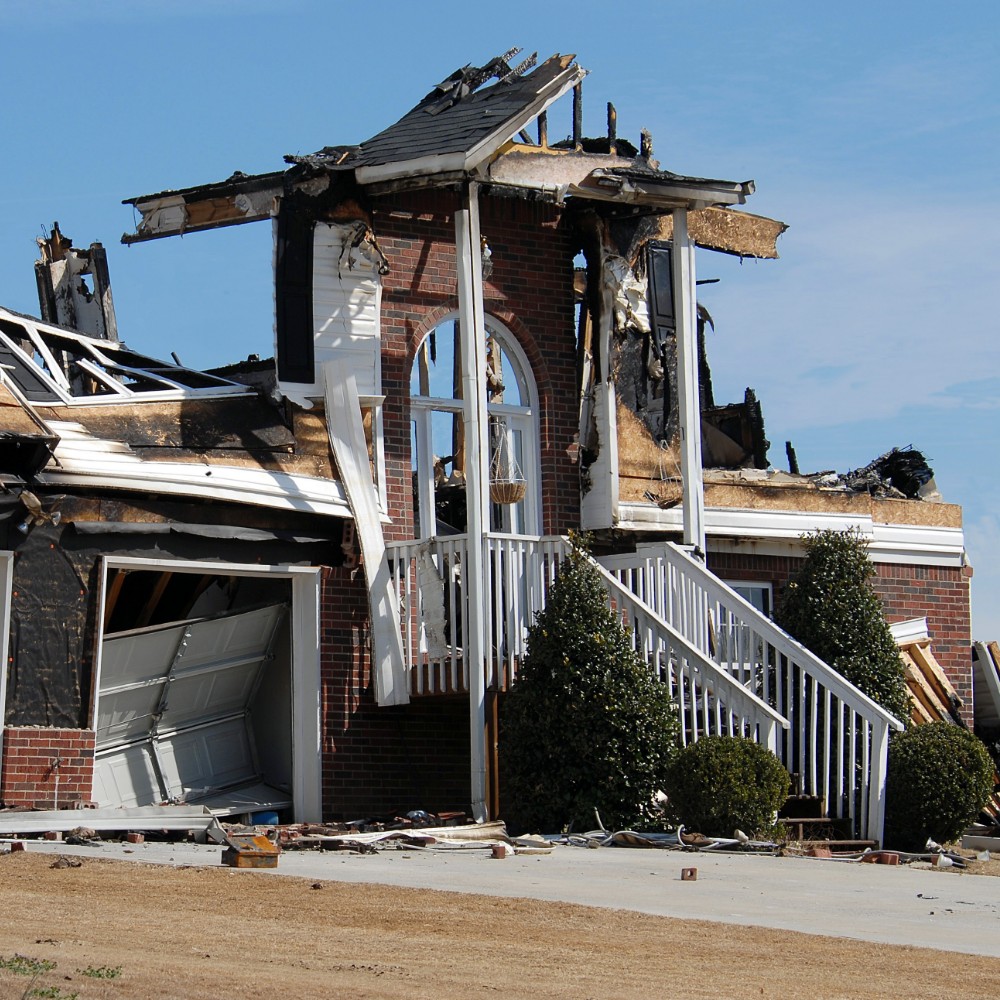
Some situations reward speed. Vacant homes, repeated insurance claims, active leaks, or open code cases tend to get more expensive quickly. Homes in probate or tied to a pending divorce or foreclosure also bring deadlines that vary by state and by lender or court. In these cases, a shorter, cleaner path that caps downside risk is often worth more than squeezing for the last dollar.
Comparing your paths: list, repair, hold, workout, or sell as-is
Repair and list on the open market tends to fit when issues are limited and predictable, you have firm bids and permits are straightforward, and your target buyer relies on financing that needs the house in good condition. This can yield a higher gross price, but it takes time, cash, and tolerance for surprises.
List as-is with an agent can work when you want market exposure but do not want to fix. Expect lower offers and buyers asking for inspection credits. This route still involves showings, potential re-trades after inspections, and a longer timeline.
Hold or rent can make sense if repairs are small, you have reliable tenants, and your financing and insurance are stable. Make sure the property will pass basic habitability standards. If you need large upgrades soon or have problem tenants, holding can drain cash fast.
Refinance or a loan workout with your lender may help if your payment is the issue, not the property. A HUD-approved housing counselor can review options and help prepare a hardship package. This does not solve major repair needs but can buy time if allowed by your lender.
Sell as-is directly to a home-buying company is often a match when you need certainty, the repairs are large or compounding, or you are under deadline. You trade some price for speed and fewer variables. If you want that route, you can compare a no-obligation offer from a reputable buyer such as OC Acquisitions against your net sheets from the other paths.
This week’s action list to make a clear decision
- List the top five issues by urgency, not by annoyance. Note active leaks, safety items, and anything flagged by insurance or prior inspections.
- Call two licensed contractors and one specialty pro for the biggest problem area, for example roofing, foundation, HVAC, sewer, or mold. Ask for written scopes and timelines.
- Pull last three months of carrying costs: mortgage, taxes, insurance, utilities, HOA, lawn or pool, security. Total the monthly burn.
- Create two simple net sheets: repaired sale and as-is sale. Include contingencies and realistic days on market for each scenario.
- Call your insurance carrier to ask about coverage limits, required repairs, or nonrenewal risks. Document any deadlines.
- If payments are late or at risk, call the lender’s loss-mitigation department. Ask about options and deadlines that may apply in your state.
- Walk the property with your phone’s video on, room by room and exterior. Note moisture, smells, soft spots, and cracks. This helps contractors and buyers give firmer numbers.
Common questions
How do I know if a leak or crack is minor or a sign of bigger problems?
Look for patterns. Stains that grow, musty smells, peeling paint, or floors soft underfoot suggest ongoing moisture. Hairline drywall cracks that do not change are common, but cracks wider than a quarter inch or doors that suddenly stick may point to movement worth a specialist’s look.
Will buyers even get financing if I sell as-is with repairs needed?
It depends on the condition and the loan type. Conventional loans can tolerate some cosmetic issues, but active leaks, major safety hazards, and nonfunctional systems often trigger lender or appraiser repair requirements. Cash buyers or renovation loans may be needed for heavier repairs.
Should I do small fixes before selling as-is, or save the money?
Target high-ROI, low-effort items that reduce fear. Stop active leaks, service HVAC, clean out debris, and improve lighting and access. Skip cosmetic upgrades that will be torn out during future renovations if the big systems still have problems.
This article is general information, not legal, tax, or financial advice. Rules and timelines vary by state and by situation, so confirm specifics with a qualified professional before you act.