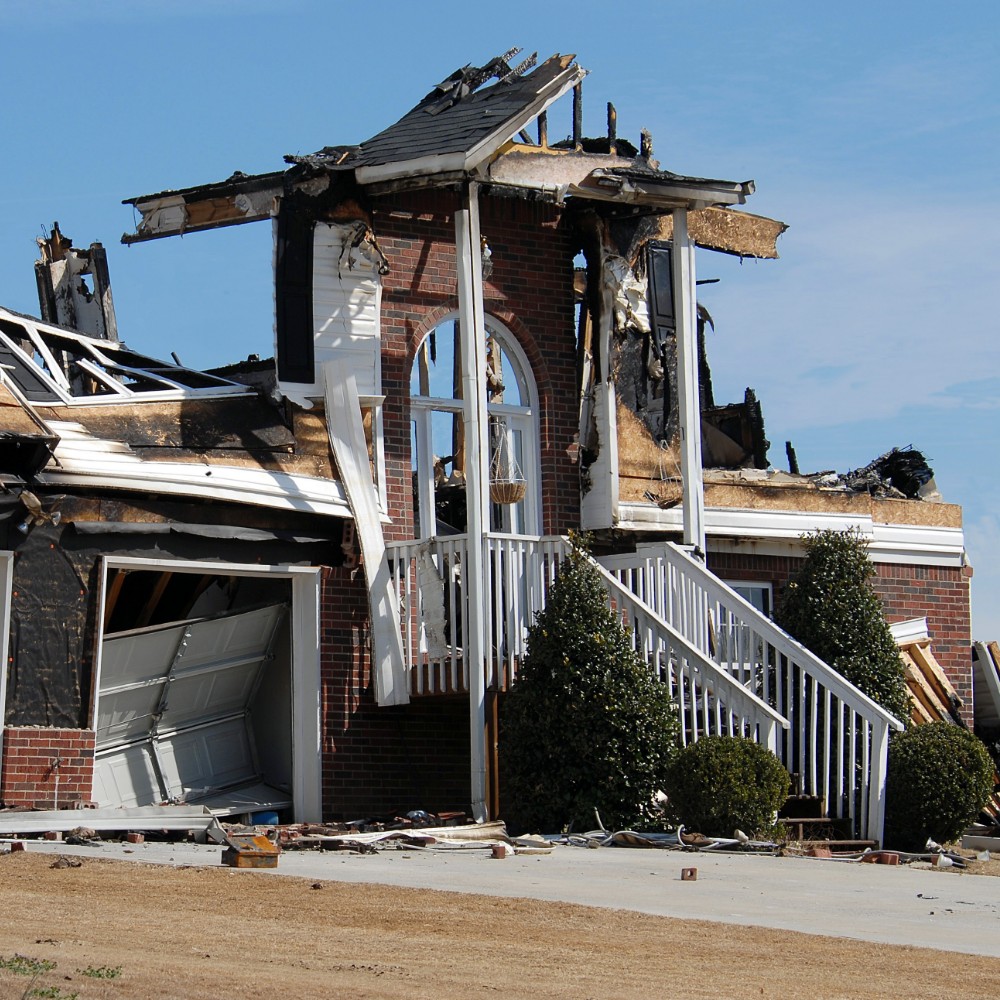
You are staring at smoke-stained ceilings, torn-out drywall, or a kitchen that never got finished. You need to decide whether to finish the job or cut losses and sell as-is.
The first choice is not about price. It is about safety, insurance, permits, and time. Once you know what you can legally do with the property and what your policy will pay, the path forward gets clearer.
Stabilize the property and confirm what is allowed
Before talking value, make sure the structure is safe to enter. Ask the fire department or a licensed contractor to confirm utilities are capped, the roof is tarped if needed, and there are no unsafe openings. If the building is red tagged or condemned, you typically cannot occupy or show it until minimum safety items are addressed.
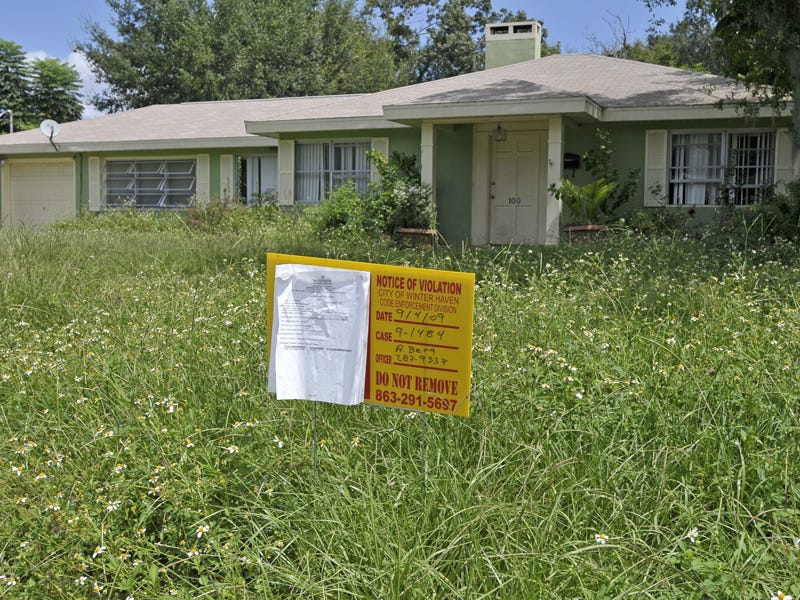
Call your insurance carrier’s claims department and ask about deadlines for proof of loss, additional living expense, and debris removal coverage. Get every instruction in writing. If permits were open before the fire or during a remodel, speak with the local building department about what must be done to close or renew them. Fines and stop-work orders can surprise buyers and slow closings.
How financing works on damaged or unfinished homes
Most lenders require a home to be safe, functional, and complete. Missing kitchens or baths, exposed wiring, or smoke damage often fail appraisal and property condition checks. Government-backed loans typically need a working heat source, no health hazards, and no major safety issues, which knocks out many partially renovated or fire-damaged houses.
This shrinks the buyer pool to cash or rehab-loan buyers who factor risk and delay into their offers. Expect discounts for unknowns, lost financing options, and the time it takes to finish work and pass inspections. If you plan to list, set expectations that financing may fall through more often and timelines may stretch.
Price the risk by scoping the repair, not guessing
Get at least two written bids from licensed general contractors that list scope, materials, permits, and timelines. For fire damage, include smoke and soot remediation, duct cleaning, and possible roof, truss, or sheathing repairs. If there is structural concern, pay for a structural engineer letter. Buyers respect stamped reports and clear scopes.
Add holding costs to each path. Tally taxes, insurance, utilities for temp power, yard care, loan interest, and potential vandalism or weather exposure. Code upgrades, like hardwired smoke detectors or electrical panel changes, may be required and are rarely covered by older policies. A line-item estimate plus monthly carry costs will tell you if finishing the job pencils out.
Disclose damage, claims, and permits the right way
Gather the fire report, insurance claim file, contractor bids, and any permit history. If you received claim payouts, keep receipts for every repair because buyers often ask where the funds went. If the claim is still open, ask your adjuster what, if anything, can be assigned to a buyer. In many cases, benefits do not transfer, so disclose that plainly.
If work stopped mid-renovation, resolve any mechanic’s lien notices, even if you dispute charges. A real estate attorney can explain your options and help negotiate releases at closing. Clean, organized disclosure reduces retrades and keeps your timeline realistic, whether you list or sell directly.
Choosing a path: restore, partial prep and list, land sale, or sell as-is
Finish and list retail. This fits when insurance covers most of the work, you have cash for overruns, and you can manage permits and contractors. Expect higher sale prices, but months of work and risk if inspections add more scope.
Partial prep and list as-is. Basic cleanup, debris removal, boarding, and a clear scope can win better as-is offers on the open market. Good when you cannot finish, but you can invest a few thousand and a few weeks to widen the buyer pool.
Sell for land value. If the structure is unsafe, teardown costs are predictable, and the lot is desirable, a land buyer may pay based on dirt value minus demolition. This can be cleaner than fighting to salvage a compromised shell.
Rent or hold. Usually tough with significant damage or an unfinished interior because habitability rules apply and insurance may not cover tenants. Holding only makes sense if you are certain you can complete work soon or you are waiting on claim resolution.
Sell as-is directly to a home-buying company. This can fit when you need speed, cannot finish repairs, or face financing, title, or permit issues. Pricing is usually lower than a finished retail sale, but you trade work, showings, and uncertainty for a firm timeline. If you want to explore that route, companies like OC Acquisitions can review photos, permits, and claims documents and give a specific as-is number without asking you to fix anything first.
What to gather this week to make a clear decision
- Fire report, adjuster contact info, and any claim letters or emails
- Two contractor bids that separate materials, labor, permits, and timelines
- Building department printout showing permit status and any violations
- Utility status and monthly holding costs for the next six months
- Photos of all damaged and unfinished areas, including attic and crawlspace
- List of any liens, contractor disputes, or unpaid invoices
- Your earliest and latest acceptable closing dates and any move-out constraints
Common questions
Can I sell a house with an open insurance claim?
Often you can, but benefits do not always transfer to a buyer. Ask your adjuster what remains payable and whether assignment is allowed, then disclose the status in writing to anyone making an offer.
How do I price a fire-damaged or half-finished home?
Start with recent sales of similar homes in normal condition, then subtract credible repair bids, carrying costs, and a discount for risk and time. Buyers will perform similar math, so documented estimates help you defend your price.
Do I have to finish permits before selling?
Not always, but open permits and violations reduce the buyer pool and can delay closing. Many cash buyers will take them on if the scope is clear, while most financed buyers will need permits resolved before funding.
This article is general information, not legal, tax, or financial advice. Rules and timelines vary by state and by situation, so confirm specifics with a qualified professional before you act.