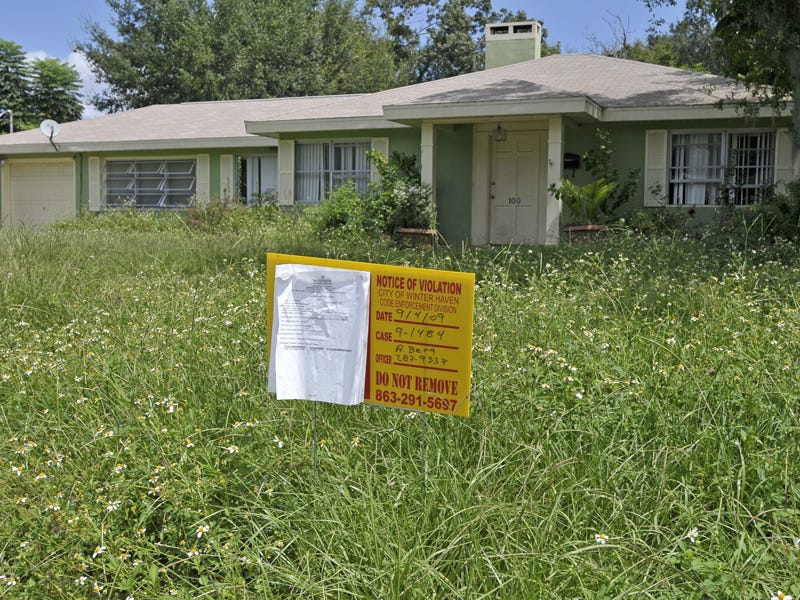
A code inspector left you a notice. Deadlines are staring you down, and the work list looks bigger every time you read it. You need to know how this affects your sale options now, not next month.
The first decision is simple but crucial: will you fix, or will you sell with the violations as-is? Everything else, from pricing to closing timelines, flows from that call.
What a code violation means for your sale timeline
Code violations usually add two clocks to your sale. One is the city’s compliance deadline. The other is market patience, because buyers, lenders, and insurers may balk if the issues are unresolved.
If the violations are life-safety items, timelines shrink. Some cities require immediate correction or they issue fines per day. For non-urgent items, you often get a window for a plan, then a reinspection date. Count backward from those dates to see if listing, repairs, or a direct as-is sale can fit in time.
Read the notice: scope, deadlines, and who is liable
Pull every notice and citation you have. Read the exact code sections listed, the correction details, the deadlines, and the reinspection instructions. Note whether the notice names the owner, occupant, or both. In many states, unpaid fines and abatement charges can become liens that follow the property, not the person.
Call the code enforcement office and confirm what must be corrected versus what can be deferred. Ask about extensions, how to request them, and what proof they need, such as a contractor bid or a permit application. Get the reinspection fee, payment method, and who can attend. Ask whether a buyer can assume responsibility after closing, since rules vary by state and city.
Pricing and disclosures when selling with open violations
You can sell a property with open violations in many places, but buyers will price the risk. Expect requests for a discount that covers repair costs, permit fees, reinspection fees, possible fines, and hassle. If fines are accruing daily, the clock reduces your net every day you hold the property.
Disclose the violations in writing. Attach the notices, any engineering or contractor reports, and permit status. Clear, organized disclosures tend to reduce retrades and last-minute walkaways. If you list on the open market, discuss with your agent how to set a price that reflects the true scope and timeline, not just cosmetic needs.
Dealing with lien, reinspection, and escrow holdback requests
Before you go to contract, check for recorded code liens or special assessments with the county recorder or your title company. Some buyers, especially financed ones, will require that liens be paid at or before closing. If you cannot fix everything in time, a buyer may ask for an escrow holdback so funds are set aside to finish certain items after closing. Not all lenders allow this, and terms vary by state and by lender policy.
If the city requires a reinspection, calendar it early. Bring stamped permits, receipts, and completion photos, and have access arranged for the inspector. If you cannot be present, authorize your contractor in writing. Keep every approval or correction notice, because title and the buyer will often ask for it before funding.
Choosing a path: repair, list as-is, or sell directly for speed
Repair and list for top dollar. This fits when violations are limited, you can afford contractors and permits, and your timeline can absorb inspections and reinspections. You may net more, but cash goes out up front, and you carry the property until you pass reinspection.
List as-is on the open market. This can work when violations are documented, fines are not spiraling, and you have time to wait for a cash or flexible buyer. Expect price chops and longer days to close, especially if lenders or insurers refuse the risk.
Sell as-is directly to a buyer that takes on violations. This tends to fit when deadlines are tight, fines are mounting, access is difficult, or repairs are heavy and permitted. You trade price for speed and certainty, with fewer showings and fewer contingencies. If you want a direct option, you can request an offer from OC Acquisitions alongside quotes from local agents and contractors to compare net, time, and stress.
What to do this week to get ahead of code issues
- Gather all code notices, citations, prior permits, and inspector business cards in one folder, digital and paper.
- Call the code enforcement office to confirm deadlines, extension options, reinspection process, and acceptable proof of progress.
- Order a preliminary title report or ask your title company about any recorded code liens or special assessments.
- Get two contractor bids that break out labor, materials, permit fees, and days to complete for each violation item.
- Ask your insurance agent whether current coverage excludes losses due to known code issues or vacancy.
- Create a simple timeline: today’s date, city deadlines, contractor availability, reinspection date, and a realistic sale closing window.
- Draft a written disclosure packet including the notices, bids, and any photos that show the issues clearly.
Common questions
Can I legally sell a house with active code violations?
In many places, yes, you can sell with open violations, but you must disclose them. Some cities or states may require certain life-safety items to be corrected before occupancy or closing. Check with code enforcement and your closing attorney or title company for local rules.
Will buyers’ lenders or insurers block the sale if violations are open?
Often, traditional lenders and insurers balk at properties with health, safety, or structural issues. That pushes many as-is sales toward cash buyers or loans that allow repairs after closing. Ask the buyer’s lender early about their requirements so you do not lose weeks only to hear no.
What happens to daily fines and code liens at closing?
Accrued fines typically must be paid or settled to clear title, and unpaid charges can become liens. Title, the city, and the parties decide whether the seller pays at closing or a holdback is used. Get payoff or demand letters in writing so your settlement statement reflects the final numbers.
This article is general information, not legal, tax, or financial advice. Rules and timelines vary by state and by situation, so confirm specifics with a qualified professional before you act.