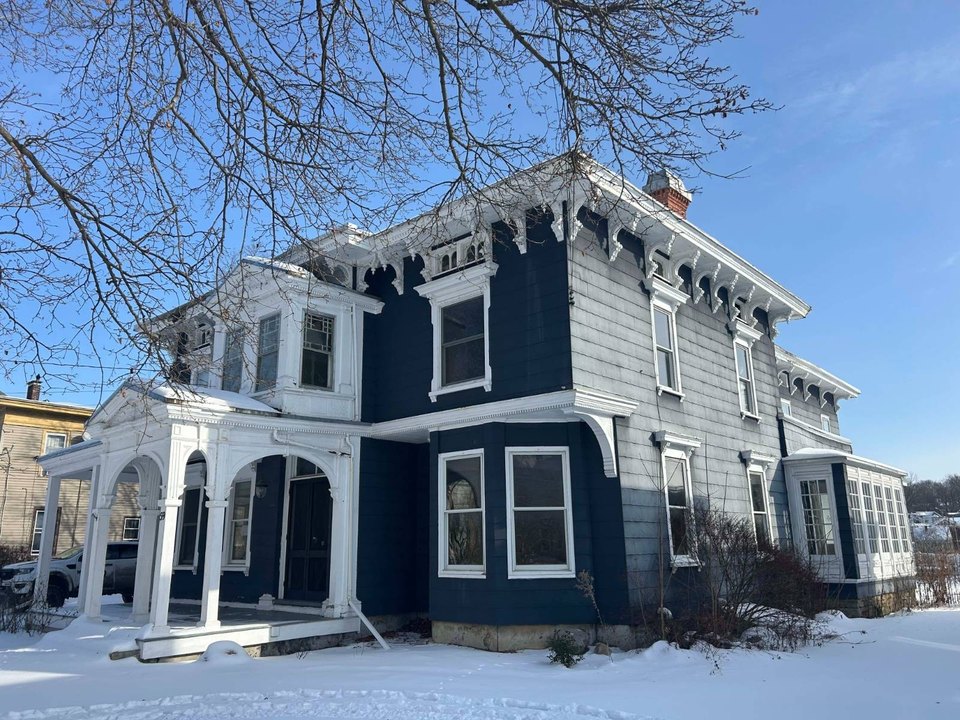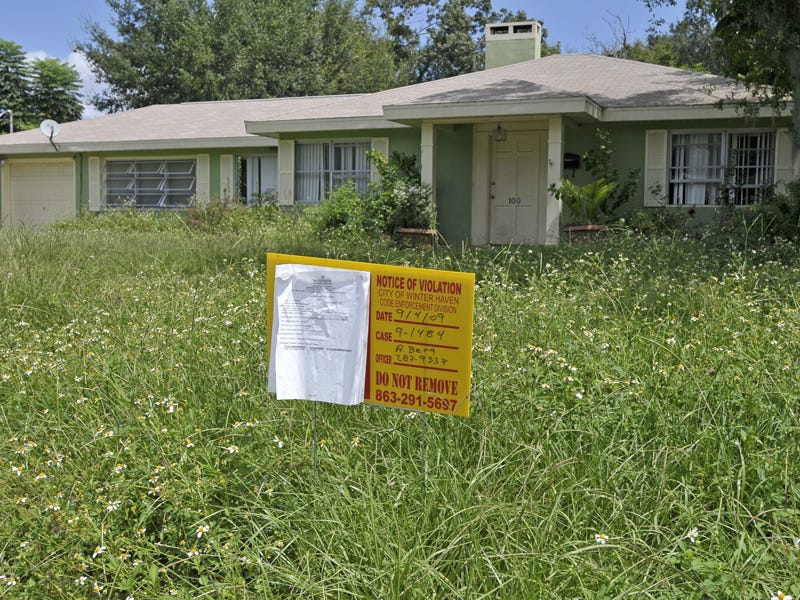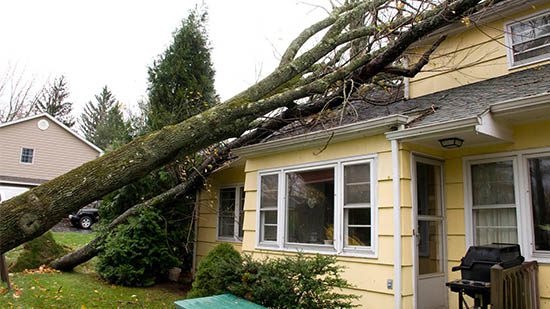
Your house needs major work and the punch list keeps growing. You are weighing whether to pour cash and months into repairs or sell without fixing everything.
The first decision is scope. Estimate total cost, time, and risk, then compare that to what an as-is sale would net after speed and certainty. That upfront math often points to the right path.
Why big repair budgets usually grow, not shrink
Initial bids often miss hidden issues behind walls, under roofs, and in foundations. Once demolition starts, contractors may discover rot, outdated electrical, or plumbing that needs full replacement, not patching.
Permits and code upgrades can add cost and time. If you touch systems like electrical or HVAC, inspectors may require current code across a wider area, which expands scope even if it was not in the original plan.
Material prices and labor availability change. A delay on one trade can stall others, which extends the project and increases holding costs like mortgage, taxes, insurance, and utilities.
How buyer financing treats homes that need work
Most lenders require the home to be safe, sound, and sanitary. If the roof leaks, the wiring is faulty, or there is active water damage or missing flooring, the appraiser may flag it and the lender can require repairs before closing.
Some buyers try renovation loans, but those programs add paperwork, inspections, and contractor approvals. If timelines slip, buyers can lose their rate lock or walk away. Cash buyers exist, but many will expect a discount that reflects both cost and risk.
Even conventional loans can stumble on appraisal. If the appraised value comes in low because of condition, the buyer must bring extra cash or renegotiate. Either can unwind a signed contract late in the process.
Timeline drag and the real cost of holding
Major repairs rarely finish on the first target date. Permit review, backordered parts, and scheduling gaps between trades can stretch weeks into months.
Every extra month adds carrying costs. Add up your mortgage or interest, property taxes, insurance, utilities, lawn or pool care, HOA dues, and security. Also include the time you or a family member spends coordinating vendors, which has a real cost even if you do not write a check for it.
Market timing matters too. Listing a half-finished project can spook buyers, and seasons affect showings and days on market. If the work runs long, you may miss your best selling window.
Pricing reality: as-is discounts versus after-repair hopes
On paper, after-repair value looks attractive. In practice, you must subtract not only hard costs but also contingency, unplanned scope, carrying cost, closing costs, and a margin for the hassle and risk you take on.
When listing as-is, buyers will price in their own larger contingency and convenience premium. Inspections often lead to credits or re-trades that cut into the contract price late in escrow.
A practical approach is to build three net numbers. One, list after full repair, minus total project and carrying costs. Two, list as-is and estimate likely inspection credits plus time to close. Three, a direct as-is sale net that reflects speed and fewer moving parts. Compare all three against your cash, time, and stress tolerance.
Choosing a path: repair, list, hold, loan workout, or sell as-is directly
Repair then list tends to fit when you have cash reserves, reliable contractors, flexible timelines, and a home where fixes are clear and contained. This path may produce the highest gross price, but only if the project stays reasonably on time and on budget.
List as-is on the open market can work when defects are moderate, you can keep the house show-ready, and you are willing to negotiate inspection items. Expect more showings and a longer escrow while the buyer’s lender, appraiser, and inspector weigh in.
Hold or rent can make sense if repairs are mostly cosmetic and you want longer-term income. Factor in landlord costs, vacancy, property management, and whether your insurance and loan allow renting.
Loan workout or refinance may help if the main pressure is a payment you cannot carry during repairs. Call your lender’s loss mitigation department to ask about forbearance, repayment plans, or a modification. A refinance may not be available if the home’s condition is poor or equity is tight.
A direct as-is sale to a company that buys homes in their current condition can fit when repairs are major, timelines are short, or financing risk is high. There is usually a discount compared to a fully repaired retail sale, but you trade that for speed, certainty, and fewer people walking through the property. If you want a number to compare against your other paths, you can request an offer from OC Acquisitions and stack it next to your repair and listing estimates.
What to gather this week to make a clear decision
- Two contractor opinions for each major system, roof, foundation, electrical, plumbing, HVAC, not just one global bid.
- A simple scope spreadsheet with line items, best-case and worst-case cost ranges, and a contingency line you are comfortable with.
- Your monthly carrying cost total, mortgage and interest, taxes, insurance, utilities, HOA, lawn or pool, and any security or pest service.
- Recent comparable sales printouts of similar size and age, both fixed-up and dated condition, with photos and sale dates.
- Your loan payoff statement and any liens or judgments, request from your lender or check with the county recorder to confirm.
- Insurance declarations page and any open or denied claim details, especially for fire, water, or roof issues.
- Clear photos and short videos of problem areas, plus any permits, warranties, and prior repair invoices you can show to a buyer or lender.
Common questions
Can I sell a house with code violations or unfinished work?
Yes, you can sell, but you must disclose known issues and many buyers using loans will ask for repairs or price reductions. A cash buyer may accept violations at a steeper discount, or you can complete specific items to satisfy a lender if you list. Check permit status at your local building department so there are no surprises in escrow.
Should I fix problems or offer a credit to the buyer instead?
Credits can work for smaller, well-defined items. For big-ticket systems like roof or foundation, many lenders and appraisers will still want repairs done before close, which limits your pool to cash buyers if you do not fix them. Price and timing pressure often determine which route is better.
How do I estimate the carrying cost of repairing before selling?
Add your monthly mortgage or interest, taxes, insurance, utilities, yard or pool service, HOA dues, and any storage or temporary housing if you must move out. Multiply by the realistic project timeline, not the best case, and add time to list, show, and close. If you are coordinating work, assign a value to your time or lost income so you see the full cost.
This article is general information, not legal, tax, or financial advice. Rules and timelines vary by state and by situation, so confirm specifics with a qualified professional before you act.