
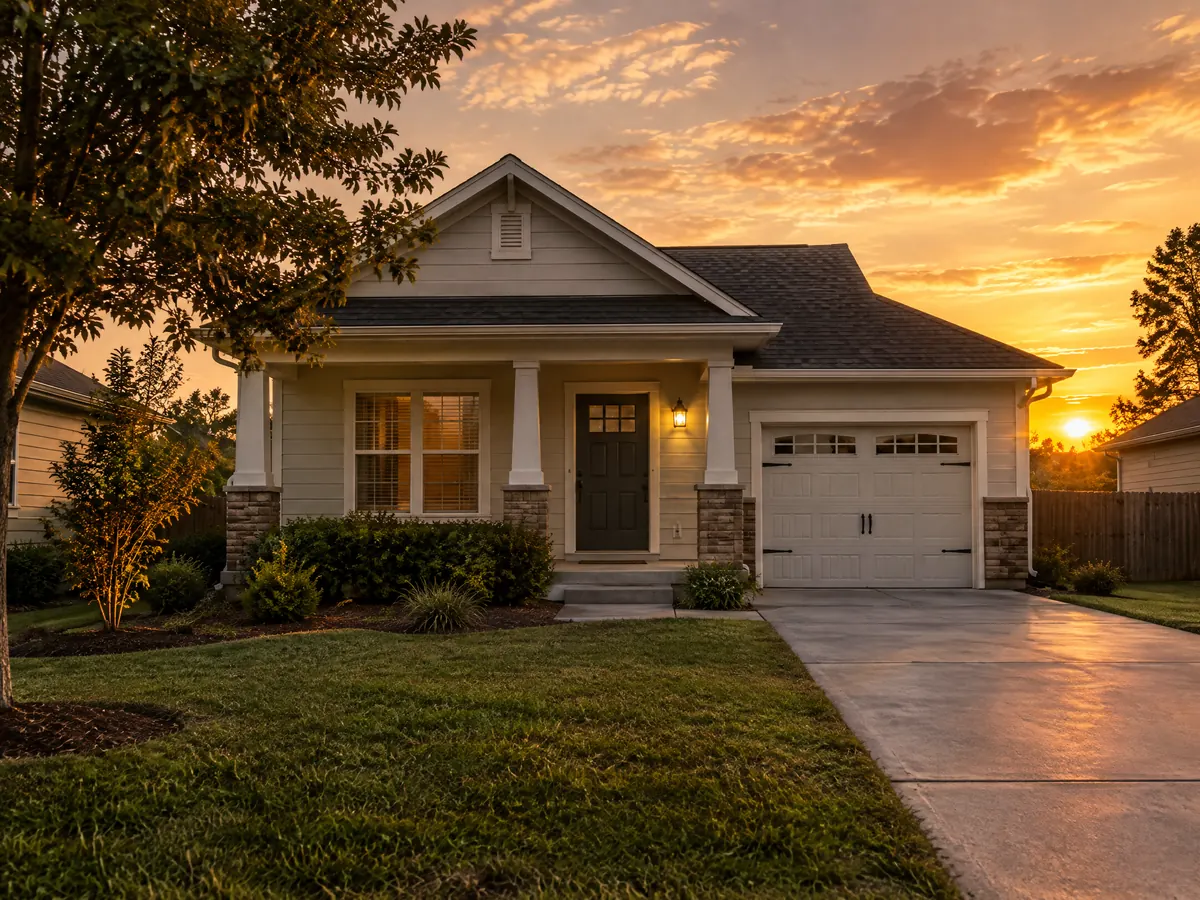
Built for owners facing an empty house through winter. Heirs, recent movers, owners between decisions, and anyone with a property sitting idle will find concrete next steps.
The goal is simple. Control risk now, set a clock for decisions, and choose a path before winter damage, insurance gaps, and carrying costs pile up.
Security first: what to lock, show, and hide
Use new, keyed-alike deadbolts on all exterior doors and keep one labeled key in a lockbox on-site. Rekey or replace garage door openers and change any keypad codes. Close and lock all windows, including basement hoppers and over-garage windows, then photograph each closure for your record.
Stage the house to look lived-in without leaving valuables. Install two interior lamps on dusk-to-dawn or randomized smart plugs, plus a motion light at the main entry. Stop mail and package deliveries, forward any critical mail, and place a simple "No trespassing" notice near a primary entry where allowed.
Ask a trusted neighbor to text you if lights go out or cars loiter. Consider a basic monitored alarm or a cellular camera that stores clips off-site. Log every visit in a simple notebook left on the kitchen counter with date, time, and tasks completed. If local police offer vacation checks, call the non-emergency line to ask how to request them.
Insurance reality: vacancy rules and proof to keep
Homeowner policies often change after a house sits empty for a set period, commonly 30 to 60 days. Call your agent and ask two direct questions: When does my policy consider the home vacant, and what coverage ends at that point. If needed, request a vacancy endorsement or ask about switching to a dwelling or landlord-type policy that fits an unoccupied structure.
Insurers typically require basic maintenance, like keeping heat at a minimum temperature or the water shut off and drained. Ask the agent to email those requirements so you can follow them exactly. Save that email, plus date-stamped photos of the thermostat setting, shutoff valves, and any winterization work on plumbing.
Create a single insurance file, digital and paper. Include the policy declarations page, agent contact, endorsement letters, photo documentation, and any contractor invoices. If a claim is later needed, this file can keep you from arguing about the condition of the home or your compliance with policy terms.
Cold weather control: pipes, power, and storms
Decide between heat-on or full winterization. Heat-on means setting the thermostat to around 55 degrees, opening cabinet doors at sinks, and placing small thermometers in cold spots like over the garage or near exterior walls. Winterization means shutting off the main water supply, draining all lines and the water heater, blowing out lines if possible, and adding non-toxic antifreeze to sink traps and toilet bowls.
Install simple leak sensors on the floor near the water heater, under kitchen and bath sinks, and in the basement. Test smoke and carbon monoxide alarms and put fresh batteries in each. Keep electricity on for alarms, lights, and sump pump, and keep internet active if cameras or smart plugs depend on it.
Handle storms like a facility manager. Clear gutters, check downspouts for firm extensions, and trim any branch touching the roof. After snow or heavy wind, do a same-day exterior walk-around. Knock snow off exterior gas meters with care, shovel a narrow path for emergency access, and arrange timely snow or ice removal to reduce slip liability.
The decision clock: Q1 timelines and carrying costs
Winter holidays, school breaks, and short daylight hours slow progress, so plan around them. Property tax bills often land or come due in Q1, insurance renewals may hit around the start of the year, and HOA assessments often reset in January. Put these dates on a single page with due amounts and add mortgage due dates, utility minimums, and any code compliance deadlines.
Set a 6 to 10 week decision clock for the quarter. Week 1 to 2, document condition and secure the house. Week 3 to 4, collect estimates for priority repairs and cleaning. Week 5 to 6, get a realistic pricing opinion from a local agent and a net sheet from a real estate attorney or closing company. Week 7 to 10, choose a path and schedule next steps.
List the numbers you need before any decision. Current loan payoff, unpaid property taxes or liens, monthly utilities while vacant, insurance cost for a vacant structure, HOA dues, and two to three written estimates for the biggest repairs. With those in hand, you can compare options by net outcomes and timeline, not guesses.
Compare your paths: repair, list, hold, rent, or sell as-is directly
Repair and keep, if the fixes are focused, the budget is clear, and you plan to use the home soon. This tends to fit when systems are sound, you have cash or credit lined up, and you can be on-site to manage work safely in winter. Risks include delays from weather and contractors, and rising carrying costs.
List with an agent, if the house can pass a basic inspection and show well. You will need insurance in place, utilities on, and a plan for winter showings and snow access. Time to close may be longer, but retail pricing can offset that when the home presents well and repairs are modest.
Hold through winter, if you have firm insurance coverage, a simple maintenance plan, and a hard deadline to revisit in early spring. This is a fit when the next use is known but not ready yet, like a future move-in or a spring renovation start. The risk is drift. Costs keep accruing and small winter issues can turn big.
Rent, if the house is safe, code-compliant, and you can respond to repair calls. You will need landlord-ready insurance, a written lease, and possibly a rental license where required. This can offset costs, but vacancies, wear, and compliance work are real. Run numbers with conservative rent and full expense load.
Sell as-is directly to a reputable home-buying company, if speed, certainty, and limited access are priorities. This often fits estates, remote owners, or properties with heavy repairs, title or tax issues, or problem contents. You avoid showings and much of the prep, and the buyer typically covers many standard closing costs. If you want a no-obligation offer to compare with other routes, you can contact OC Acquisitions for a direct sale option along with your other quotes.
Q1 vacant house control checklist
- Rekey exterior doors, change garage codes, and install two interior timer lights this week.
- Call your insurance agent to confirm vacancy limits and secure a vacancy endorsement or dwelling policy in writing.
- Choose heat-on or full winterization, then document the thermostat setting or shutoff and drained lines with date-stamped photos.
- Place leak sensors near water sources and test smoke and carbon monoxide alarms with fresh batteries.
- Schedule snow and ice removal and set a post-storm walk-around routine with photos of the roofline and downspouts.
- Create a single-page cost summary with loan payoff, taxes due, insurance, utilities, and HOA dues, plus two repair estimates.
- Book two appointments: one local agent for a pricing opinion and one closing professional or attorney for a sample net sheet.
Common questions
How long can a home sit vacant before my insurance changes?
Policies often reduce or exclude coverage after a set vacancy period, commonly 30 to 60 days. Call your agent and ask for the exact timeframe, what changes at that point, and what endorsement or alternate policy can keep coverage in place.
Do I need to keep utilities on in a vacant house during winter?
Yes, for most homes either the heat stays on at a low setting or the plumbing is fully winterized. Electricity is typically kept on to power alarms, lights, and sump pumps. Ask your insurer which approach they require for coverage.
What should I do about mail, packages, and flyers piling up?
Submit a USPS mail forward or hold request, and change delivery addresses for any recurring items. Post a discrete note for carriers not to leave packages, and ask a neighbor or caretaker to recycle flyers and check the porch weekly. A clean entry signals the property is attended.
This article is general information, not legal, tax, or financial advice. Rules and timelines vary by state and by situation, so confirm specifics with a qualified professional before you act.