
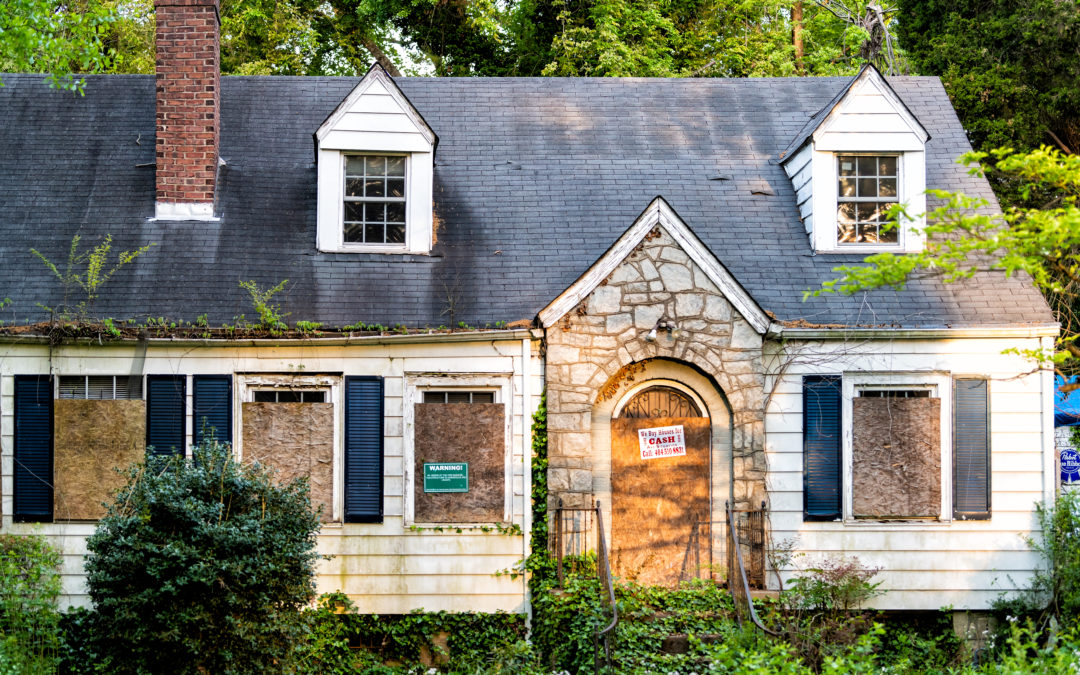
For owners and heirs staring at an empty house, spring adds urgency. Grass grows fast, storms roll through, and bills hit in a tighter window.
Use this seasonal overview to decide whether to secure, repair, rent, list, or sell as-is. It is written for people juggling tax bills, insurance renewals, and a property that is not occupied right now.
Board-ups, break-ins, and spring storm exposure
Warmer weather brings more foot traffic, both welcome and not. Vacant houses with obvious mail buildup, tall grass, or dark nights tend to attract trespassers. After spring storms, a broken window or loose door makes entry even easier.
A proper board-up means exterior-grade plywood, carriage bolts or screws into framing, and secured doors with a hasp and padlock or a reinforced deadbolt. Photograph every opening before and after. Ask a local contractor for a written board-up quote, then add a simple rekey and a motion light. Call the non-emergency police line to request extra patrols if available.
Insurance limits that trigger when a home sits empty
Many standard homeowner policies reduce or exclude coverage for vandalism, theft, and water damage after a property is vacant for a set number of days. The clock often starts when the last resident leaves, not when you tell the insurer. Coverage rules and definitions vary by policy, so do not guess.
Ask your agent for the declarations page and the vacancy or unoccupancy clause in writing. If the home has been empty longer than the policy allows, request a vacancy endorsement or a dedicated vacant property policy. Expect higher premiums and deductibles. If the carrier declines, shop other carriers and document every call. Without proper coverage, a boarded window or a copper theft can become a full out-of-pocket loss.
Deferred upkeep multiplies faster in spring weather
Spring growth hides problems. Gutters fill with blossoms and leaves, then the first heavy rain sends water behind siding or into the basement. Small roof leaks turn ceilings soft within weeks. Unmowed grass invites pests and code enforcement.
Set a 60-day punch list with dates, not wishes. Clean gutters, cut power to nonessential circuits, set the thermostat to prevent humidity damage, and service the sump pump if there is one. Order a roof and exterior inspection with photos, not just a drive-by. If utilities are off, budget to turn water and electric on for testing and dehumidification.
Hold costs that stack up by mid-year
By Q2, annual and semiannual bills bunch up. Property taxes, insurance renewals, and HOA dues can arrive within the same 30 to 60 days. Add lawn care, utilities at minimum service, board-up or rekey costs, and occasional handyman calls.
Write out a monthly carry cost. Include principal and interest if there is a loan, taxes divided by 12, insurance divided by 12, HOA dues, lawn and cleaning, and a 5 to 10 percent reserve for surprises. Compare that to a realistic sale timeline or rent-up timeline. An honest carry number makes decisions clearer than guesses.
Comparing realistic paths: repair, list, rent, hold, or sell as-is
Repair and occupy works when you have cash, time, and a clear scope. It fits best if structural systems are sound, code issues are small, and you can keep insurance active during work. Put three written bids side by side and add 15 percent contingency.
Listing on the open market may net the most if the house can pass basic inspections and show well. Budget for cleaning, minor repairs, staging, utilities on, and lawn care until closing. In many cases, a pre-list inspection and a clear plan for fast fixes reduce price cuts later.
Renting can make sense if repairs are limited, landlord rules in your state align with your comfort level, and you can fund make-ready plus two months of vacancy. Factor in property management, a rental safety inspection if required, and landlord-grade insurance. Vacancy risk never disappears, it only shifts.
Holding short term is reasonable if you are waiting on probate steps, a tax refund, or contractor availability. Keep it secure and insured, and track carry costs weekly. Set a firm date to reassess, not a vague “later.”
Selling as-is to a direct homebuyer can be the least complex when the house needs more work than you can or want to take on, insurance is lapsing, or hold costs are blowing past your budget. You exchange a lower sale price for fewer unknowns and a faster timeline. If you want to compare a direct sale alongside other options, OC Acquisitions can provide a no-obligation offer and a simple net sheet so you can line it up against listing or renting.
Spring Q2 vacant property action list
- Pull the insurance declarations page and ask your agent, in writing, for the vacancy clause and any available endorsements.
- Photograph all four elevations, roof, doors, and windows, then schedule a board-up or rekey where needed and install two motion lights.
- Order gutter cleaning, a roof check, and a dehumidifier or HVAC service to set humidity controls before summer heat arrives.
- Set lawn, shrub, and trash pickup on a recurring schedule, and post a No Trespassing sign with your phone number removed.
- Create a monthly carry budget with line items for taxes, insurance, HOA, lawn, utilities, and a repair reserve, then compare it to your timeline.
- Call the tax collector to confirm the next due date and any installment options, and set calendar reminders two weeks early.
- If probate or title work is pending, ask your attorney or title company for the next milestone date and documents you can gather now.
Common questions
How long can a house sit vacant before insurance limits apply?
Many policies reduce or exclude certain coverages after a set number of vacant days, often 30 to 60, but terms vary by carrier and policy. Ask your agent to cite the vacancy clause in writing and to quote a vacancy endorsement or a vacant property policy if needed.
Should I keep utilities on in an empty home during spring?
Often yes, at least electricity for lights, sump pumps, and dehumidification, and water for testing plumbing and cleaning. If pipes are old or there is a leak risk, keep water off at the main when you are not on site and turn it on only for work visits.
What if I am getting code or HOA notices while the house is empty?
Call the code office or HOA, explain the plan, and give a timeline for correction. Hire recurring lawn service and trash removal and keep proof of each visit. If fines are accruing, ask about a one-time cure period once work is completed, rules vary by state and by association.
This article is general information, not legal, tax, or financial advice. Rules and timelines vary by state and by situation, so confirm specifics with a qualified professional before you act.