
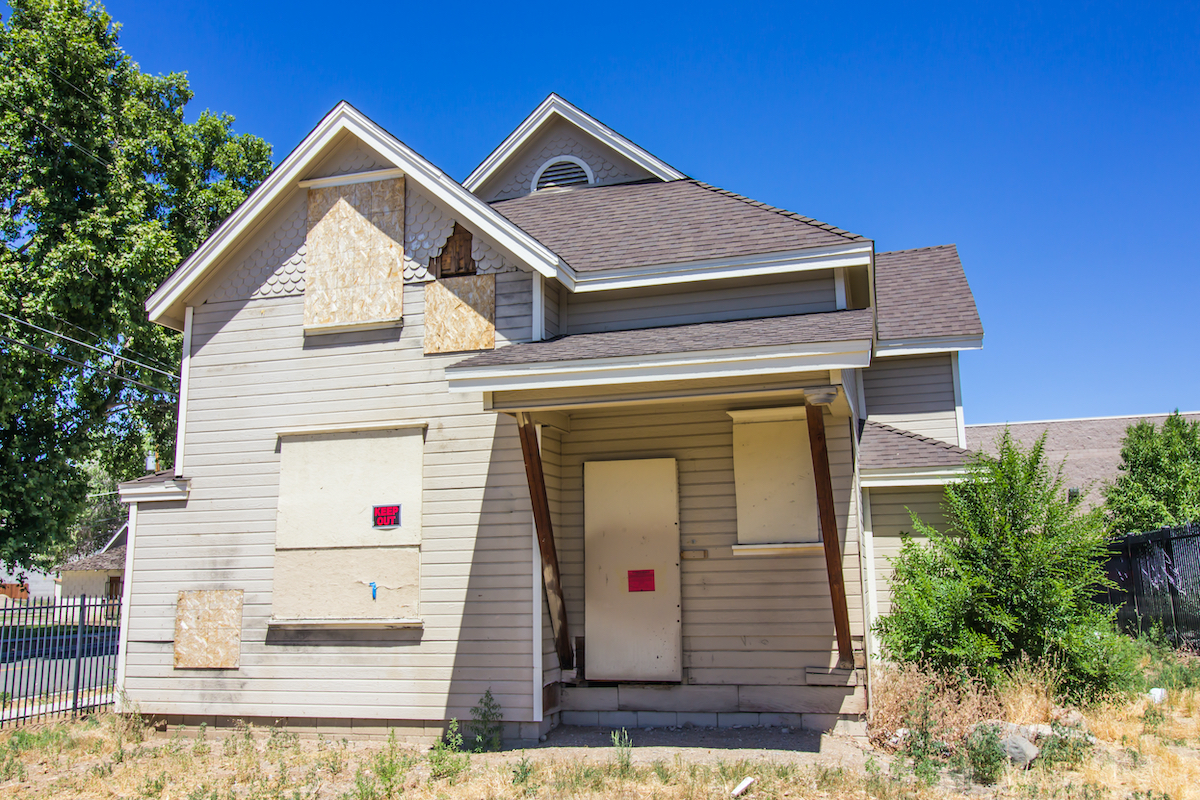
This is for owners responsible for a vacant or lightly occupied house through the summer and early fall. It is also for heirs, long-distance owners, or anyone between tenants.
It helps you decide what to do this season before storms and carrying costs stack up. Use it to confirm insurance, prep for weather, control access, budget costs, and choose a path forward.
Confirm insurance status before summer storms hit
Call your insurance carrier and ask two direct questions. First, is the home rated vacant or occupied in your policy file. Second, what exclusions apply for wind, water, theft, or vandalism if the home is vacant for more than 30 or 60 days.
Request the current declarations page and any vacancy endorsement by email. If the carrier will not insure a vacant home, ask your agent to quote a vacant property or builder’s risk policy and to spell out wind, hail, and water coverage in writing.
Ask about roof age, deductibles, and required maintenance. Many policies raise deductibles for wind or hurricane losses or require boarded openings after a loss. Set a calendar reminder for your renewal or midyear audit date and keep proof of utility service and inspections, since insurers often ask after a claim.
Storm preparation for a house no one lives in full-time
Start outside. Clean gutters and downspouts, trim tree limbs over the roof, and clear drains near door thresholds. Confirm the sump pump works, the battery backup is charged, and the discharge line is clear.
Secure openings. Replace missing window locks, add long screws to strike plates, and use keyed window locks on ground-floor sashes. If storms are forecast, pre-stage plywood or tested shutters with labeled fasteners, and store them where you or a helper can reach them fast.
Prevent water intrusion. Caulk roof and wall penetrations, check flashing, and replace worn weatherstripping on doors. Walk the attic and ceiling lines for past stains so you can fix small leaks now rather than during a downpour. Keep photos with dates as a simple maintenance log.
Control property access and create simple backup plans
List who needs entry between now and October, such as contractors, estate professionals, or a potential buyer. Use one lockbox code that you can change, or better, a keypad deadbolt with unique codes per person and an audit trail.
Keep two sets of labeled keys in separate locations. Tag the main shutoffs for water, gas, and power. Tape simple instructions inside the utility closet so a helper can safely shut systems down if there is a leak or an evacuation order.
Name a local point person in writing. Share their phone, your insurance policy number, and your preferred contractor’s contact. If you will be away during back-to-school weeks or Labor Day travel, give your point person written permission to authorize emergency work up to a set dollar amount.
Know your holding costs through the third quarter
List your monthly and quarterly costs from July through September. Include mortgage, taxes, insurance, utilities kept on for maintenance, lawn or pool service, security monitoring, and any HOA dues or fines.
Call the tax collector to confirm the next bill date and any discount or penalty timeline, which varies by state. Ask your lender’s loss-mitigation department about options if payments are tight, including forbearance review or a repayment plan, and record names, dates, and reference numbers.
Create two numbers that will guide your decision. First, your true monthly burn rate. Second, your three-month total through the end of Q3, including any expected repairs like roof tarping or tree removal. Compare those numbers to the value you expect to preserve by holding versus selling sooner.
Choosing a path: repair, list, hold, rent, or sell as-is
Repair and hold makes sense if the work is modest, you can supervise it, and the property will be safer and cheaper to carry after fixes. Get two written bids and require start and finish dates. If the roof, drainage, or electrical issues are severe, consider doing only safety and weatherproofing work to limit further damage.
Listing with an agent may fit if the home can pass basic insurance and lender requirements for a buyer. Budget for cleaning, yard work, minor repairs, utilities on for showings, and time on market. Ask the agent to confirm what will be required for buyer financing, like a functioning HVAC or no active leaks.
Renting can bridge a few quarters, but only if insurance permits occupancy and you can respond to repairs. Price in make-ready work, lease-up time, and the chance of vacancy during storms. If cash is tight or access is difficult, a direct as-is sale to a company like OC Acquisitions can reduce risk and carrying costs, typically with a simple timeline and no repairs required. Get a written offer, compare net proceeds after your estimated three-month burn, and pick the path that best limits loss and stress for your situation.
Q3 storm-season vacancy checklist, July through September
- Call your insurer to confirm vacancy status, wind and water coverage, and deductibles, then save the declarations page to a shared folder.
- Schedule gutter cleaning, tree trimming over the roof, and a roof inspection, then photograph the exterior and attic for a dated record.
- Test sump pump and battery backup, label breaker panel and shutoff valves, and place a new water sensor near the water heater and under sinks.
- Install or reprogram a keypad lock, assign unique codes, and create a written access log with names, dates, and purpose of entry.
- Set up weekly exterior checks, plus an interior walkthrough at least every 30 days, and keep a simple checklist to note condition.
- Map out holding costs for July, August, and September, including any known repairs, and set aside funds or a spending limit for emergencies.
- Pre-stage storm supplies on site, including tarps, plywood or shutters, fasteners, flashlights, gloves, and contractor contact info.
Common questions
How often should someone check a vacant house during storm season?
Aim for an exterior check each week and an interior walkthrough at least every 30 days. After any major storm, have someone verify roof, windows, and interior ceilings for leaks as soon as it is safe.
Will my insurance deny a claim if the home is vacant?
Policies often limit or exclude coverage after a set vacancy period, which varies by policy and state. Call your carrier, ask for the vacancy clause in writing, and consider a vacant property policy if needed.
Should I keep utilities on in a vacant home during summer?
Typically yes, at least power and water, to run sump pumps, dehumidifiers, and to test systems. Keep the thermostat set to control humidity and prevent mold, and label shutoffs so a helper can turn things off quickly if needed.
This article is general information, not legal, tax, or financial advice. Rules and timelines vary by state and by situation, so confirm specifics with a qualified professional before you act.