
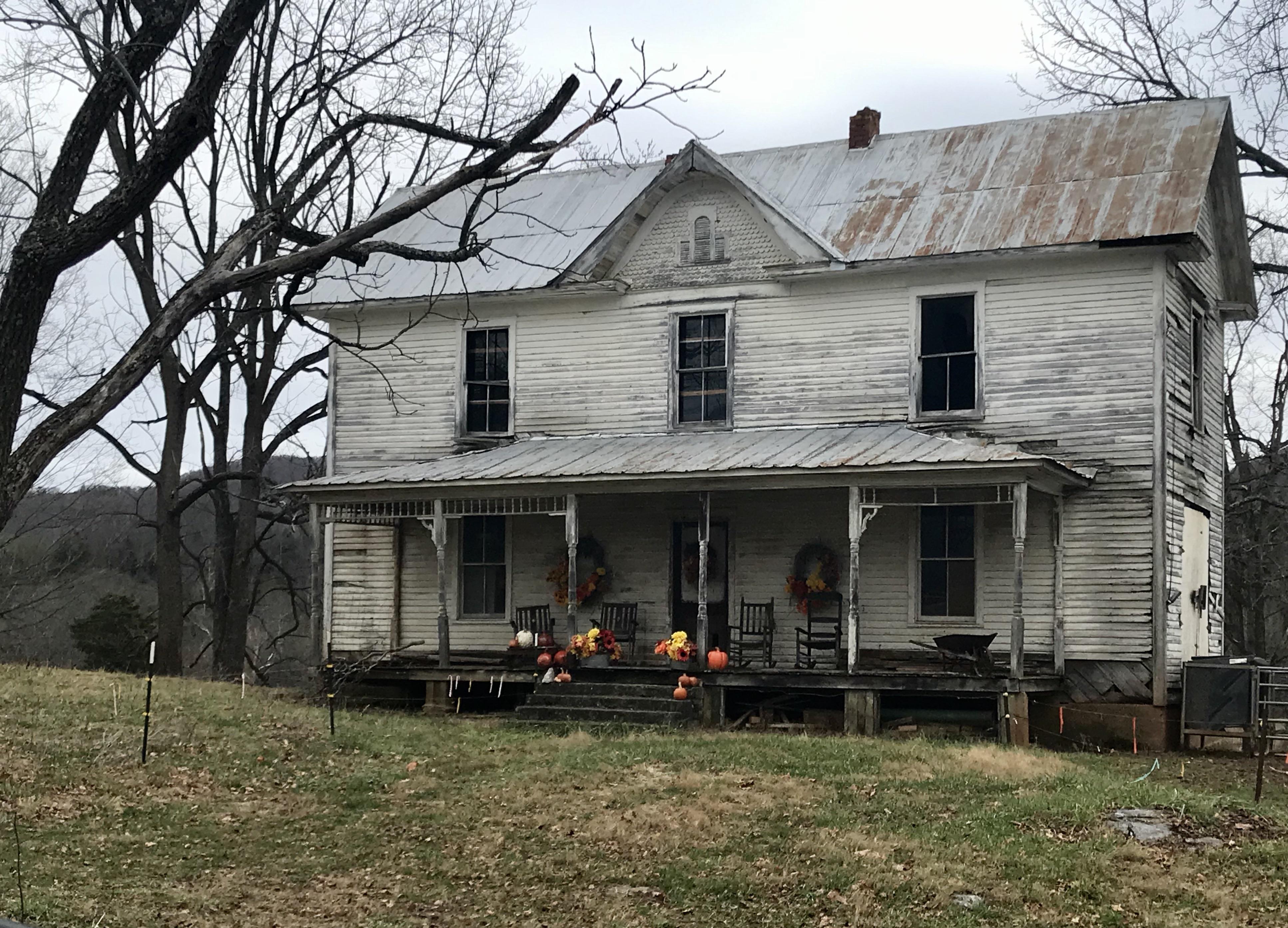
If you are responsible for an empty house going into the colder months, this is for you. Many owners and heirs face the same issues right now, from burst pipes to trespassers to insurance gaps.
Your decision this season is simple. Stabilize the property, set a clear plan, and choose whether to repair, list, rent, or sell as-is before winter and holiday schedules slow you down.
Winterization that actually prevents damage
Winterization is more than setting a low thermostat. It means shutting off the water at the main, draining supply lines, and blowing out irrigation and outdoor spigots. Toilets and sink traps often need non-toxic antifreeze to prevent cracking. A licensed plumber can do this quickly, often in a single visit.
Heat should stay on at a low but safe setting to protect pipes and finishes. Open cabinet doors under sinks so warm air circulates. Replace worn weatherstripping and seal small gaps so cold air does not enter and pests stay out. If the furnace is older, schedule a simple service so it will start reliably when temperatures drop.
Do not forget the roof and gutters. Clear leaves so meltwater drains and does not back up under shingles. Check attic vents, flashing, and any known leak points. A small roof patch before the first freeze can prevent ceiling stains and mold later.
Security layers for a truly empty house
Vacant houses attract attention. Start with basics you can control today. Re-key exterior locks, add a heavy-duty strike plate, and secure side doors and garage entries. Use timer plugs for a couple of lamps, and keep blinds angled so rooms look lived in without showing emptiness.
Next, add visible deterrents. Motion lights, a battery-backed door alarm, and a simple camera with cellular or Wi‑Fi can help. Post no trespassing signs and keep the yard tidy. Unmowed grass, piled leaves, or unshoveled snow signal vacancy. Ask a neighbor to park in the driveway sometimes if that feels comfortable.
Reduce easy targets. Remove ladders, spare keys, and obvious window AC units. Stop or forward mail and packages. If a break-in does happen, call police on the non-emergency line after the situation is safe, file a report, and photograph damage for insurance before you repair anything.
Insurance caps and vacancy clauses you may be missing
Many standard homeowners policies limit coverage after a property is vacant for a period, often measured in days. Some reduce coverage for theft, water damage, or vandalism. Others require you to notify the carrier if the home is no longer your primary residence. Call your agent, explain the status, and ask about a vacancy endorsement or a separate policy.
Ask specific questions. How long before coverage changes? What is excluded while vacant? Do I need periodic inspections, a central alarm, or a maintained thermostat setting? Document the condition of the home with photos and a short video, and keep a simple log of check-ins to show you are taking reasonable care.
Watch renewal timing. Policies often renew around the same time each year, and fall can bring bill notices you might miss if your address changed. Confirm your mailing address and the mortgage servicer’s escrow info if they pay the premium. A brief lapse can be costly if a pipe bursts or a trespasser causes damage.
Decision lag: the hidden cost of waiting
Delays add up quietly. Each week without a clear plan can mean another yard visit, a higher chance of a freeze issue, or another month of utilities, taxes, and insurance. Code notices for leaves, snow, or unsecured structures can appear with little warning and may come with fines.
Use the calendar to your advantage. In Q4, people travel for holidays and contractors book up. Schools are in session, so weekday access windows may be shorter for families helping out. If you need paperwork signed by multiple heirs or co-owners, schedule that now so end-of-year plans do not stall you.
Watch year-end costs. Fall is when property tax bills and insurance renewals often arrive. If the property sits past New Year, you may face another full cycle of carrying costs. A simple worksheet listing monthly and one-time expenses can clarify whether to hold, fix, or sell before winter sets in fully.
Choosing a path: repair, list, rent, or sell as-is
Repair and keep makes sense if you can finish essential work before hard freezes and you plan to use the property. Focus on must-do items first, like roof leaks, plumbing, heating, and securing entries. Get written estimates from licensed trades and set a firm budget and timeline.
Listing with an agent works when the house can pass basic safety checks and shows well enough to attract buyer financing. You may still list as-is, but expect buyer inspections and repair requests. Plan for utility access, winter-safe showings, and insurance requirements while the home is on the market.
Renting can help offset taxes and insurance if the home is habitable and you can respond to maintenance in cold weather. Screen tenants carefully and comply with local rental rules, which vary by state. Be realistic about turn costs and the risk of mid-winter repairs.
Selling as-is directly to a professional home buyer can fit when the property needs more work than you want to do, or you need a certain closing date before deeper winter. You avoid showings and repair coordination, but you may net less than a retail listing. If you want to compare this route, companies like OC Acquisitions will typically review the property condition, confirm title, and propose a date that fits your schedule without asking you to fix things first.
Q4 vacant house stabilization checklist
- Shut off water at the main, drain lines, and add non-toxic antifreeze to traps and toilets.
- Set thermostat to a safe low setting and service the furnace to ensure it starts reliably.
- Clear gutters and downspouts, bag leaves, and schedule snow removal before the first storm.
- Re-key exterior locks, add motion lights, and set lamp timers to evening hours.
- Call your insurance agent to confirm vacancy coverage and requirements in writing.
- Forward or hold mail and packages, and ask a neighbor for periodic drive-by checks.
- Photograph each room, utilities, and exterior, then log inspection dates and any changes.
Common questions
Do I need to keep utilities on in a vacant home over winter?
Typically yes. Keep electricity on for the furnace, lights, and any alarms. Water can be shut off and lines drained, but heat should remain on at a safe low setting to protect pipes and finishes.
How often should I check an empty house in colder months?
Many insurers expect regular inspections when a home is vacant. A weekly or biweekly walkthrough is common. Log dates, take quick photos, and confirm heat is working and entries are secure.
What if a break-in or burst pipe happens while I am away?
Once safe, contact police for a report in the case of a break-in. For water damage, stop the source, document with photos and video, and call your insurance carrier to open a claim. Do temporary repairs to prevent further damage, then coordinate full repairs as approved.
This article is general information, not legal, tax, or financial advice. Rules and timelines vary by state and by situation, so confirm specifics with a qualified professional before you act.