
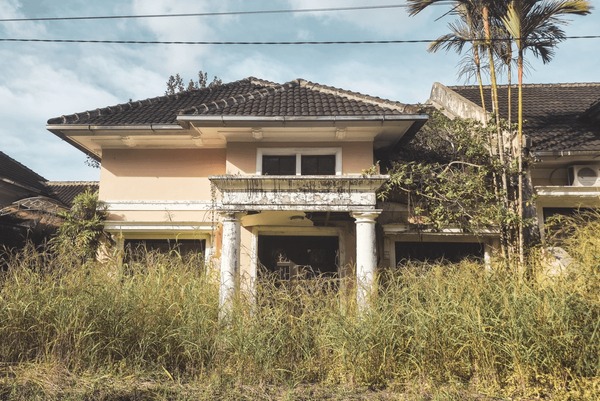
For owners who did not expect to be managing an empty house this summer, the checklist can feel long and the timing unclear. Maybe a move came faster than planned, a tenant left, or a family home is between decisions.
The goal is simple for Q3: keep the property safe, control access, alert insurance, and set a short-term plan while you decide whether to hold, rent, fix, list, or sell as-is. The steps below help you make a sound choice without wasting time or money.
Secure entry fast without damaging value
Change who has access on day one. Rekey or replace all exterior locks, including back door, garage service door, and any outbuildings. If a garage door opener exists, erase remotes and reprogram the keypad. Remove any spare keys hidden outside and any keypad codes given to contractors or relatives.
Use a lockbox and a simple key log. Keep one master key in a shackle lockbox at the property for pros who need entry. List each person who has a key or code, with date and purpose. Change the lockbox code every two weeks or after each vendor visit.
Secure windows and weak points without scaring off buyers later. Install window pins or sash locks on ground-floor windows. Screw down and lock the electric panel and outdoor hose bibs if tampering is a concern. Avoid screwing plywood over windows unless there is storm risk or breakage, since that can raise questions for insurers and future buyers.
Vacancy risks in summer and how to reduce them
Unattended houses in warm months face water, weather, and human risks. Set the thermostat to roughly 78 to 82 degrees to limit humidity and mold risk, and leave the water on if possible so toilets can be flushed and traps stay wet. If the water must be off, pour a cup of mineral oil into sink and floor drains to slow evaporation and sewer gas.
Plan for storms and heat. Clear gutters and downspouts, trim back branches, and check that the sump pump works with a quick test. In areas with frequent summer storms, consider a battery backup for the sump pump. Place a cheap temperature and water-leak sensor with app alerts near the water heater and lowest-level bathroom.
Reduce signs of vacancy that attract trespassers or code complaints. Arrange weekly lawn care and trash pickup. Stop newspaper delivery and forward mail. Use two interior lamps on daily timers, and a dusk-to-dawn bulb at the porch. Post a small “No Trespassing” sign if local rules permit, but avoid large “Vacant” signs that can invite trouble.
Call your insurer within 30 days of vacancy
Most homeowner policies change coverage after a home is empty for a set period, often 30 to 60 days, but it varies by policy and state. Ask about vacancy or unoccupancy clauses, what incidents are excluded, and whether you need a vacant dwelling endorsement. Get the answer in writing by email and save a PDF copy.
Confirm billing and escrow details. If your mortgage payment includes escrow, ask the lender if they will continue paying the premium after any endorsement or change. If you pay directly, confirm the due date and the mailing address since you may not be checking the property mailbox. Ask about discounts for monitored alarms, deadbolts, or water shutoff valves.
Clarify liability and who is listed as a contact. Name a local contact person who can meet adjusters if a claim occurs. Verify the correct property mailing address and a separate email for notices. If the insurer declines coverage during vacancy, ask your agent about a specialty vacant policy before coverage lapses.
Build a 90-day short-term plan
Write a simple plan that covers the next three months. Week 1, secure entry, document the current condition with 50 to 100 photos, and note meter readings. Weeks 2 to 4, get two or three bids for any urgent items like roof leaks, broken windows, or active plumbing issues. Set a check-in schedule, at least weekly during summer heat.
Keep utilities in a safe holding pattern. Power stays on for the fridge off and a few lights on timers. Water stays on if someone visits weekly and knows where the main shutoff is, or off with drains treated and the water heater turned to vacation. If you have irrigation, set a modest schedule to keep landscaping alive and avoid citations.
Plan the decision points. Set a target date, for example 60 days from now, to choose between hold, rent, repair, list, or sell as-is. Use the time to gather key numbers, including estimated repair costs, insurance premium changes, property tax due dates, HOA fees, and any loan payoff or reinstatement figures. Share the plan and dates with all decision makers so no one is surprised.
Compare your realistic paths from an empty house
Repair and occupy. This fits when you want to keep the property long term and can fund the work now. Expect to manage contractors, permits where required, and multiple visits. Insurance usually improves once occupied, but you carry all holding costs until move-in.
List with an agent after light clean and safety fixes. This suits homes with deferred maintenance that is not severe. Plan for showings, appraisals, and repairs that may be requested. You will need insured access, working utilities, and the home kept presentable for several weeks or more.
Hold vacant for a season with regular checks. This may fit estates or relocations waiting on other timelines. It requires steady cash for taxes, insurance, utilities, lawn care, and occasional fixes, plus clear records of visits in case of a claim.
Rent, either long-term or short-term. Long-term tenants help cover holding costs, but screening and local rental rules matter. Short-term rentals require more hands-on work and may not be allowed by HOA or local law. Either way, confirm your insurance coverage for tenant-occupied or short-term rentals before you list.
Sell as-is directly to a home-buying company. This can fit when repairs are heavy, access is hard, or timelines are uncertain. Expect a simple walkthrough, a written offer, and a closing timeline that can be set around your needs. If you want a no-obligation option to compare, you can request an as-is offer from OC Acquisitions and weigh it against the other paths.
Q3 vacant house control checklist to finish by Labor Day
- Rekey locks, set a lockbox, and write a one-page key log with names and dates.
- Photograph each room, exterior sides, roof and attic access, plus meter readings, then save to a shared folder.
- Set thermostat around 78 to 82 degrees, plug in two lamp timers, and place a water-leak sensor near plumbing.
- Call your insurance agent to ask about vacancy wording, needed endorsements, and premium or coverage changes.
- Schedule weekly lawn care and trash pickup, and pause mail and newspaper delivery or set up forwarding.
- Test the sump pump, clear gutters, and trim branches that threaten the roof or power lines before peak storms.
- Collect three estimates for any active leaks, broken glass, or electrical hazards, and pick one repair by cost and speed.
Common questions
How long can my house sit vacant before insurance changes?
Many policies reduce or limit coverage after 30 to 60 days of vacancy, but the rules vary by policy and state. Call your agent, ask them to point to the vacancy clause and exclusions in writing, and request any needed endorsement. Do not assume you are covered without confirmation.
Should I shut off utilities in a vacant home during summer?
Usually electricity stays on for climate control, timers, and inspections. Water can stay on if someone checks the home weekly and knows the main shutoff. If no one can visit reliably, turn water off, treat drains, and set the water heater to vacation to reduce risk.
Can I change locks if I still have a mortgage and the lender has not been notified?
Yes, owners can rekey for security. Keep a clear record of who has access and make sure the property remains secure and maintained. If you are in default or in a loan workout, also confirm access requirements with the lender’s loss-mitigation department in case they plan a property inspection.
This article is general information, not legal, tax, or financial advice. Rules and timelines vary by state and by situation, so confirm specifics with a qualified professional before you act.