You have cracks, doors out of square, or sloping floors. Buyers ask tough questions. Lenders hesitate. You need a clear plan that does not drain time or cash you do not have.
Start by deciding if you will fix the foundation before selling or sell it as-is. That choice sets your timeline, your cash needs, and which buyers can actually close.
What counts as foundation damage and how to size it
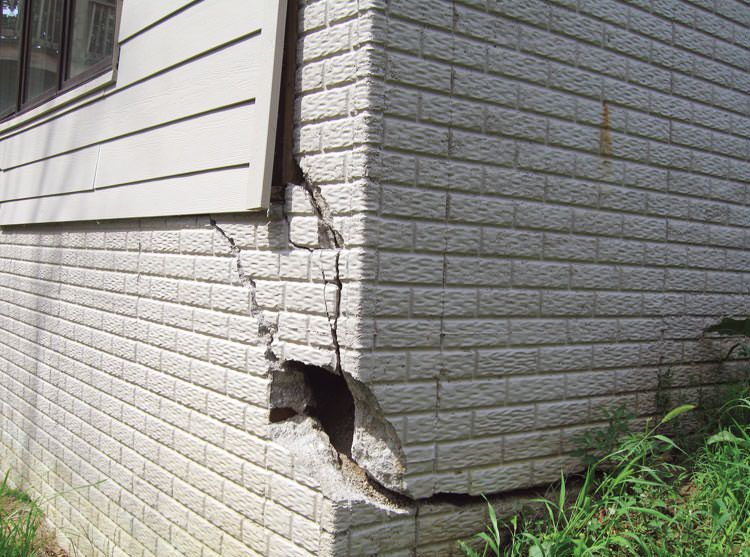
Cosmetic cracks in drywall are common, but wide stair-step cracks in brick, gaps around windows, heaving or sinking floors, and doors that stick can point to structural movement. Water intrusion, tilting chimneys, and separation between walls and ceilings are also warning signs.
Do not guess. A licensed structural engineer can provide a stamped report that explains cause, urgency, and recommended repairs. Many buyers, appraisers, and lenders look for that report, and it often becomes the anchor for pricing and negotiations.
Repair math: bids, hidden costs, and timeframes
Get at least two foundation repair bids in writing, with a drawing that shows pier counts, beam work, drainage, and warranty terms. Ask if plumbing testing is included, because lifting a house can crack old lines and add surprise costs. Clarify whether landscaping, flatwork, or interior finishes will be damaged and who pays to fix them.
Repairs can take a few days to a few weeks once scheduled, but lead times may stretch during busy seasons. Some warranties transfer to the next owner, which can help resale value. Insurance typically does not cover settling from soil movement, though sudden events may be treated differently, so ask your carrier to be sure.
Financing and appraisal hurdles when selling with issues
Most lenders will not fund a mortgage if an appraiser or inspection flags active foundation problems. They may require repairs, an engineer letter, and final sign-off before closing. Appraisers also tend to value homes with known movement below similar homes without it, even if repaired.
Cash buyers may be more flexible on condition but expect a discount that covers repair risk and delay. If you list as-is, many financed buyers will write offers, then fall out when their lender conditions the loan on repairs you cannot complete. That churn costs time and may reduce your eventual price.
Disclosure, inspections, and what to have on hand
Disclosure rules vary by state, but sellers typically must disclose known structural issues and prior repairs. Keep copies of any engineer reports, repair contracts, city permits, warranty certificates, and plumbing test results. Organized paperwork builds credibility and can protect you later.
If you do repair, schedule a post-repair level survey and final letter from the engineer or contractor. If you do not repair, consider paying for an independent engineer report anyway. It sets expectations, reduces back-and-forth, and can shorten the closing timeline with a serious buyer.
Compare your paths: fix and list, list as-is, rent, or sell direct
Fix and list usually fits when you have cash or credit for repairs, time to manage contractors, and a home that otherwise shows well. You may net more, but you carry the risk of change orders, delay, and a failed sale if the buyer’s lender wants more paperwork.
List as-is on the market can work if you are not in a hurry and you price at a level that attracts cash or renovation-capable buyers. Expect multiple inspections and potential fall-throughs. Plan to keep utilities on and allow access for bids and re-inspections.
Hold or rent may make sense if the issue is stable per an engineer and you can insure the property and maintain it. Budget for ongoing monitoring and set aside funds for drainage or future work. Not all insurers or lenders are comfortable with known structural movement, so confirm before you commit.
Sell as-is directly to a home-buying company can fit when you need certainty, a short timeline, and no showings or repairs. The price will reflect the buyer taking on repair risk and financing limits, but you avoid carrying costs, change orders, and repeated cancellations. If you want a simple, as-is option, OC Acquisitions can evaluate the property, review your documents, and make a firm cash offer without repair demands.
Seven steps to take this week if you suspect foundation issues
- Take clear photos of cracks, door gaps, floor slopes, and any water intrusion. Note dates and changes over time.
- Order a licensed structural engineer inspection and request a stamped report with recommended scope.
- Get two written foundation repair bids that include diagrams, pier counts, warranties, and any plumbing testing.
- Call your insurance agent to ask what, if anything, is covered and what documentation they need.
- Pull records you already have, such as prior inspections, permits, level surveys, and any past repair invoices.
- Ask a local closing attorney or title company what disclosures are required in your state for structural issues.
- Build a simple net sheet comparing paths: repair-and-list, list as-is, rent, or sell direct. Include repair cost, time, likely price range, fees, and carrying costs.
Common questions
How much does foundation repair lower my sale price?
Buyers typically discount for the repair itself, plus unknowns like plumbing fixes, finishes, and time. An engineer report and multiple bids narrow that range. Without them, expect wider discounts and fewer financed buyers.
Can a buyer’s lender close if I leave the foundation unrepaired?
Often no. Many loan programs require repairs or an engineer clearance before funding. Some buyers may try for an escrow holdback, but those are limited and vary by lender and state, and they rarely cover major structural work.
Should I repair the foundation before listing or sell as-is?
Repairing first can increase your buyer pool and appraisal odds, but it costs cash and time and can uncover more work. Selling as-is is faster and simpler, but the price reflects risk and limited financing. Compare your net after all costs and the time you can afford to wait.
This article is general information, not legal, tax, or financial advice. Rules and timelines vary by state and by situation, so confirm specifics with a qualified professional before you act.