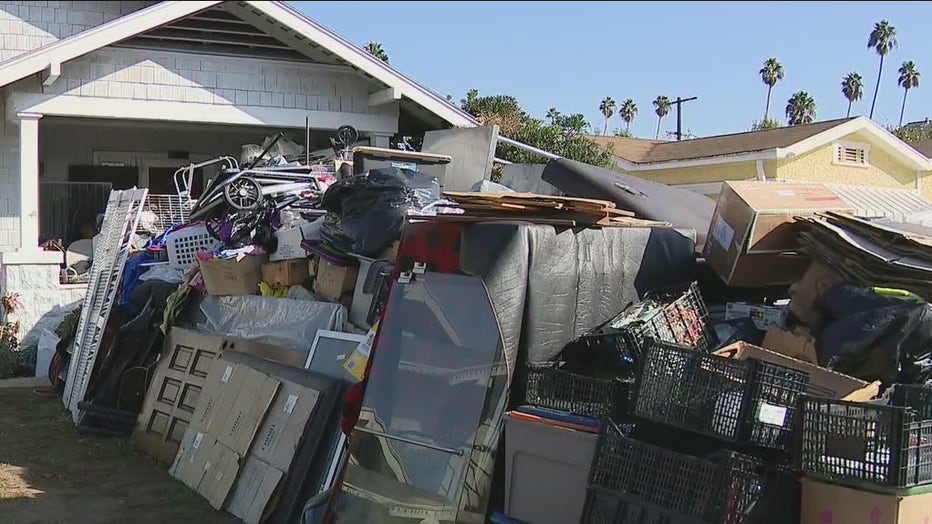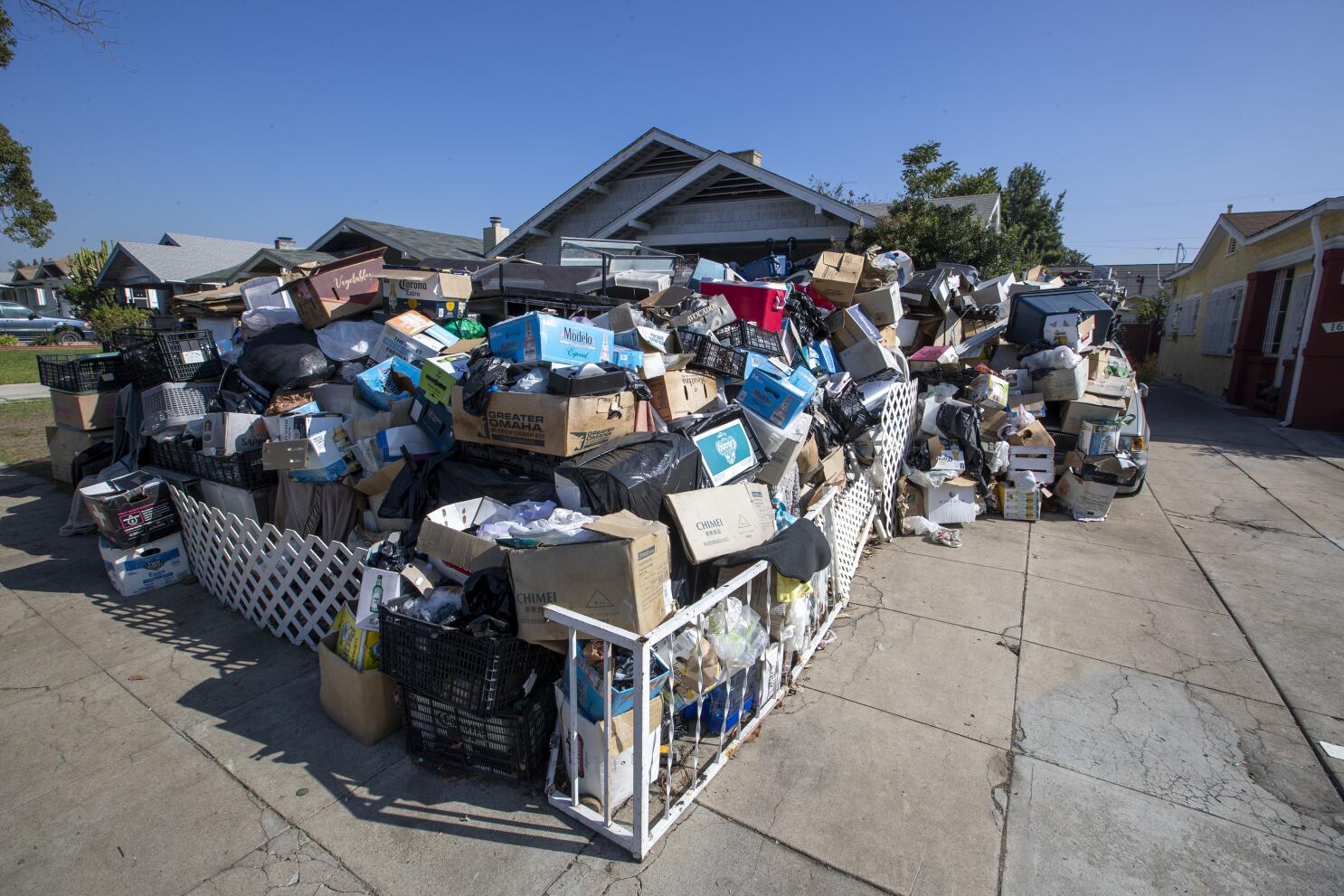
You may be facing rooms packed to the ceiling, strong odors, pests, or unsafe floors. Family members may disagree on what to keep or how fast to move. Bills are due, and you need a clear plan.
The first decision is who has legal authority to act and how much cleanup to do before selling. Once that is settled, you can make safe access, protect the property, and choose a sale path that fits your time, budget, and energy.
Start with authority, safety, and access
Confirm who can sign. If the owner is alive, a power of attorney may be needed. If the owner passed away, you may need letters from the probate court. Without this, vendors and buyers often will not proceed.
Secure the property. Change or rekey locks. If there is active hoarding, consider an entry with protective gear and two people for safety. Turn off gas if you smell gas. Keep electricity on for lights unless an electrician says it is unsafe.
Call the insurance carrier. Ask if the policy is current and if vacancy rules apply. Ask what they require during cleanup and sale. Document the call and any instructions given.
Decide what must be found and saved before any haul-out
Set one short search window before large-scale removal. Focus on IDs, wills or trust papers, life insurance, deeds, mortgage statements, tax mail, vehicle titles, checkbooks, and safe deposit keys. Bag and label anything that looks like legal or financial paperwork.
Photograph each room before moving items. This helps with later questions about what was inside. Tag heirlooms and family photos. Make a simple rule for duplicates and non-sentimental items so decisions do not stall every box.
If you see needles, human or animal waste, mold, or dead animals, pause. That is a biohazard level. Do not sort by hand. Call a biohazard remediation company and ask about their process and a written estimate.
Match the cleanup level to your goals and timeline
Full cleanouts can take days to weeks. A junk removal crew handles volume. A biohazard team handles contamination, odor treatment, and protective disposal. Ask for proof of insurance and a written scope that lists rooms, outbuildings, and disposal fees.
If funds are tight, consider a staged approach. Clear paths to major rooms, the electrical panel, attic access, and the main water shutoff first. Many buyers and inspectors only need safe access to evaluate the structure, roof, systems, and foundation.
Ask the city or county about large item pickup rules, permit needs for dumpsters, and code enforcement timelines. If there are active code cases, request the compliance checklist. Get any fines or deadlines in writing. Share these with any buyer early.
What buyers, lenders, and inspectors usually require
Most buyers will want at least one walkthrough that reaches the kitchen, bathrooms, bedrooms, and mechanicals. Expect requests to clear a path to the water heater, furnace, electrical panel, and crawlspace or attic hatch. If floors are soft, disclose that and restrict access until supported.
If you list with an agent, typical buyers using a mortgage may struggle if the home lacks basic utilities, has significant health hazards, or is packed beyond safe entry. Appraisers often need interior access and working utilities. Cash buyers may be more flexible but still want photos and limited access.
Disclose what you know. Rules vary by state, but common items include water damage, mold, pest issues, nonfunctional systems, and any code or permit problems. Gather any repair estimates, notices, and utility bills. These help a buyer price risk and can reduce last-minute renegotiations.
Choosing a sale path for a hoarder property
List on the open market after partial cleanup. This tends to fit when you can fund a haul-out, make safe access, and keep utilities on. It can produce more offers, but showings may be stressful and some buyers will walk once they see the scope.
Repair and then list. This fits when the structure is sound and you have time, funds, and contractors. You may net more, but you take on holding costs, delays, and surprises, especially with hidden damage uncovered after debris removal.
Hold or rent. Works only if the property can be made safe and insurable, and you have a clear property manager plan. Ongoing clutter risks, pest issues, and code concerns can make this hard.
Sell as-is directly to a company. This fits when you want speed, privacy, and no further cleanout. Expect a lower price in exchange for the buyer handling disposal, biohazards, and any violations. A direct buyer like OC Acquisitions can often review photos, inspect once, and close on a timeline that matches your needs.
Seven actions to take on a hoarder house this week
- Find and secure authority documents such as power of attorney, letters from probate, or a copy of the trust certification.
- Call the insurance carrier and ask about vacancy rules, biohazard coverage, and any inspection requirements during cleanup.
- Photograph each room, then make safe paths to the kitchen, bathrooms, electrical panel, furnace, and main water shutoff.
- Gather and box legal and financial documents, IDs, keys, and labeled heirlooms before any bulk removal begins.
- Get two written estimates: one from a junk removal crew and one from a biohazard remediation company if hazards are present.
- Contact the local code or building office to check for open cases, required permits for dumpsters, and any compliance deadlines.
- Pull recent mortgage, tax, and utility statements, and request a preliminary title report from a title company or closing attorney.
Common questions
Do I have to empty a hoarder house to sell it?
Not always. Many buyers will purchase as-is with contents left behind, especially if they are paying cash. If you want to attract traditional financed buyers, you typically need at least safe access and working utilities.
Who pays for the cleanout and biohazard work?
If you sell as-is, the buyer may take on disposal and hazard costs, which is reflected in the purchase price. If you list on the open market, you usually pay up front to widen your buyer pool and reduce deal risk.
Will the city fine me if I delay cleanup?
It depends on local code enforcement and any existing complaints. Call the code office to ask if there are open cases, what the timeline is, and what minimum steps will pause enforcement while you arrange a sale or cleanout.
This article is general information, not legal, tax, or financial advice. Rules and timelines vary by state and by situation, so confirm specifics with a qualified professional before you act.