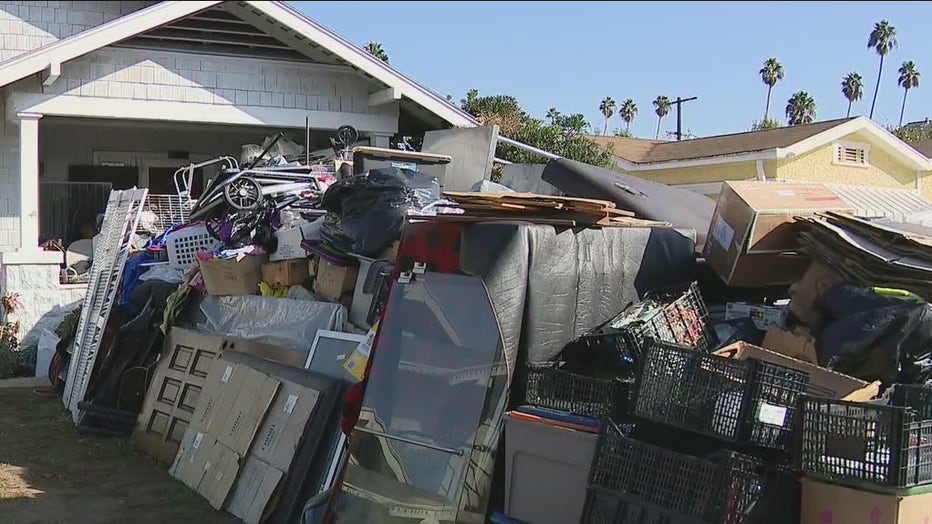
You need to sell, but someone you did not approve is living there or you cannot reliably get in. Maybe a past tenant stopped paying, a relative stayed after a death, or locks were changed without permission. Every week that passes adds risk of damage, lost rent, and rising costs.
Your first decision is not price. It is confirming your legal footing, preserving the property’s condition, and choosing a timeline you can actually hit. Once those pieces are stable, you can decide whether to pursue removal, list with restrictions, or sell the property as-is to a buyer who accepts the situation.
Confirm who has rights to be there and your right to access
Before taking action, identify the occupants and why they are there. Gather any leases, applications, text messages, emails, or keys received, and note dates rent was last paid. If no written lease exists, there may still be tenant rights based on payment history, which varies by state.
Call a landlord-tenant or real estate attorney to review your documents and clarify your status. Ask what type of notice, if any, is required to enter for inspection and what you must post before filing an eviction or ejectment. Avoid self-help, like lock changes or shutting off utilities, because that can create liability even if the person is not paying.
Document condition and claims without unsafe entry
If you cannot enter safely, start with exterior photos and videos from public areas and your own lot. Save dated images of doors, windows, roof, yard, and any visible issues like leaks or debris. If interior access is allowed only on notice, schedule a brief walkthrough with a witness and record the condition.
Ask your insurance agent whether your current policy covers non-owner occupancy, vandalism, or vacancy, and whether a change is needed. If you suspect damage or code violations, contact the local code office for guidance on inspections that do not put you at risk. Keep a simple log of all contacts, notices, and attempted entries with dates and names.
Stabilize carrying costs and safety from the outside in
Keep property taxes current to avoid added penalties or a tax sale. Confirm utilities that protect the structure stay active, like water to prevent sewer gas or minimal heat to avoid burst pipes, if your attorney says you must maintain them. Ask utility providers how to set accounts to owner responsibility while occupants reimburse, if applicable.
Maintain what you can from outside. Arrange lawn care, trash pickup, and pest control that does not require entry. A clean exterior reduces neighbor complaints and code fines and signals that the property is monitored.
Plan removal or cooperation steps that support a sale
If occupants are unauthorized or not paying, ask your attorney about the proper notice and filing. Timelines vary, and a clean, well-documented file speeds decisions. Discuss whether a structured move-out agreement, often called cash for keys, is allowed and advisable in your state. Written agreements should state the date, condition standards, and that keys and possession transfer on payment.
If occupants have rights and you plan to sell with them in place, prepare for a smaller buyer pool and limited showings. Disclosures should state that access is restricted and occupancy will continue after closing unless you deliver vacant possession. Coordinate with a title company on any affidavits needed about possession and with your agent on showing protocols that keep everyone safe.
Choose a sale path that matches risk, time, and cash on hand
Traditional listing after regaining access tends to fit when you can wait for legal timelines, the property is in decent shape, and you have funds for basic make-ready. Expect multiple showings, lender appraisals, and buyer inspections. Pricing can be stronger once you can show the interior and deliver vacant possession.
Listing while occupied, with limited access, may fit if the occupants will cooperate on set showing windows and you can offer a rent-back or sale subject to tenancy. You will trade price for risk a buyer must accept. Buyers may require a discount for uncertainty, repairs they cannot verify, and delayed possession.
A hold-and-workout path fits owners who want to keep the property long term. That can mean formalizing a lease, pursuing back rent through legal channels, or refinancing to cover costs while the matter resolves. This path takes patience and clear documentation.
A direct as-is sale to a company experienced with access issues can fit when you need a certain closing date, prefer not to manage legal steps, or the property needs work you cannot fund. Expect a lower price in exchange for speed and risk absorption. If you want a simple option to compare, OC Acquisitions can purchase as-is, with or without vacant possession, on a timeline you choose.
This week’s action list to regain control and protect value
- Compile a folder with ID, deed, any leases or applications, rent records, deposit notes, texts, emails, and photos.
- Call a landlord-tenant or real estate attorney to confirm notice requirements, entry rights, and the correct legal path.
- Contact your insurance agent to verify occupancy coverage and endorsements, and adjust if needed.
- Set up exterior services: lawn, trash hauling, light repairs, and pest control that do not require interior access.
- Take date-stamped exterior photos and video, and start a log of all notices and communications.
- Request a payoff or reinstatement quote from your lender if behind on payments, and note key deadlines.
- Ask a title company what possession-related disclosures or affidavits buyers and lenders will expect.
Common questions
Can I sell a house if there are squatters or unauthorized occupants inside?
Yes, you generally can sell, but buyers and title companies need clear disclosure about occupancy and possession at closing. Expect pricing and timelines to reflect the risk, or plan to resolve occupancy before closing. An attorney can help you structure terms that a buyer and title company will accept.
What is the legal way to remove someone who refuses to leave?
Removal typically requires proper notice and a court process, which varies by state. Avoid lockouts, utility shutoffs, or intimidation, which can create liability. A landlord-tenant or real estate attorney can file the right action and prepare for a sheriff or marshal to execute a court order if granted.
Do I have to disclose access problems or nonpaying occupants to buyers?
In most states, you must disclose known material facts that affect value or safety, and possession status often qualifies. Clear disclosure reduces the risk of contract disputes and post-closing claims. Your agent and title company can help with the right language.
This article is general information, not legal, tax, or financial advice. Rules and timelines vary by state and by situation, so confirm specifics with a qualified professional before you act.