You have a house sitting empty. Maybe you moved, inherited it, or are between tenants. Every week it sits, something else can go wrong, and the meter keeps running.
Before you decide to wait for a better offer or start repairs, figure out your real monthly cost and risk. Once you know that number, you can decide how long waiting still pays, and when it does not.
Your insurance may not cover a long vacancy
Most homeowner policies limit coverage after a property is vacant for a set period, often 30 to 60 days. If the home is empty, call your agent and ask about a vacancy endorsement or a separate vacant property policy. Without it, a claim for theft, vandalism, or water damage may be denied.
Ask in writing what conditions apply. Some policies require periodic inspections, heat left on to a minimum temperature, or water shut off and winterized. Get the requirements, the premium, and the effective date so you are not guessing during a claim.
The monthly bill that keeps coming even when empty
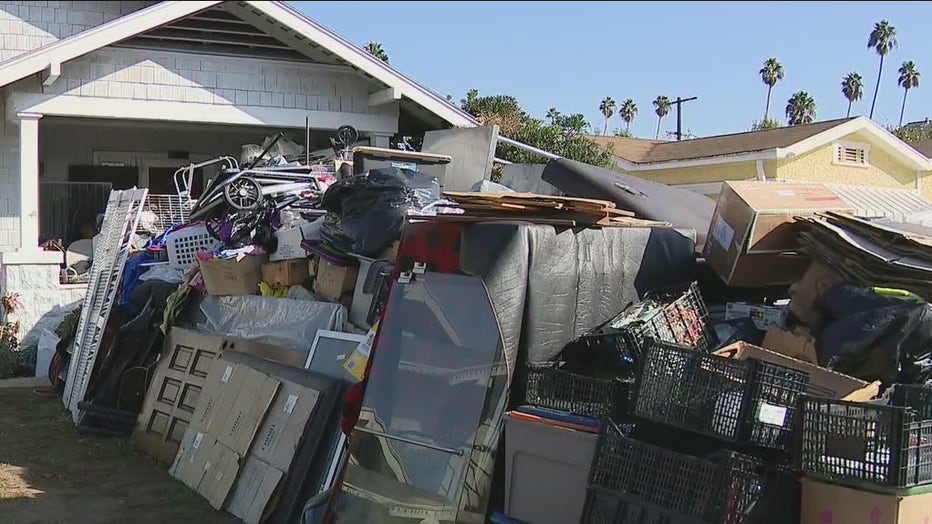
Add up property taxes, HOA or condo dues, insurance, utilities on minimum service, lawn or snow service, pest control, and basic security. Many utilities charge base fees even when usage is low. Yard care and periodic cleaning or trash removal prevent code citations and notices from neighbors.
Create a simple worksheet. List each bill, whether it is monthly, quarterly, or annual, and convert all to a monthly amount. Include occasional costs like locksmith visits, board up, or alarm monitoring. Seeing the total on one page tells you what waiting truly costs each month.
Idle houses break faster: moisture, pests, and crime
A small drip can turn into a ceiling collapse when no one is there to spot it. Humidity leads to swollen doors, bubbling paint, and mold. Rodents and insects find openings, and landscaping overgrowth invites pests and code complaints.
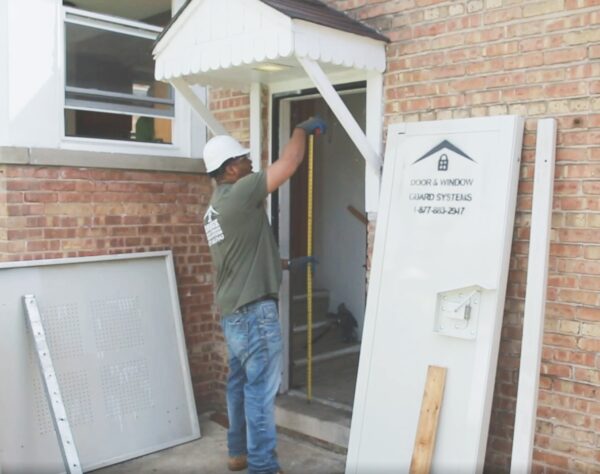
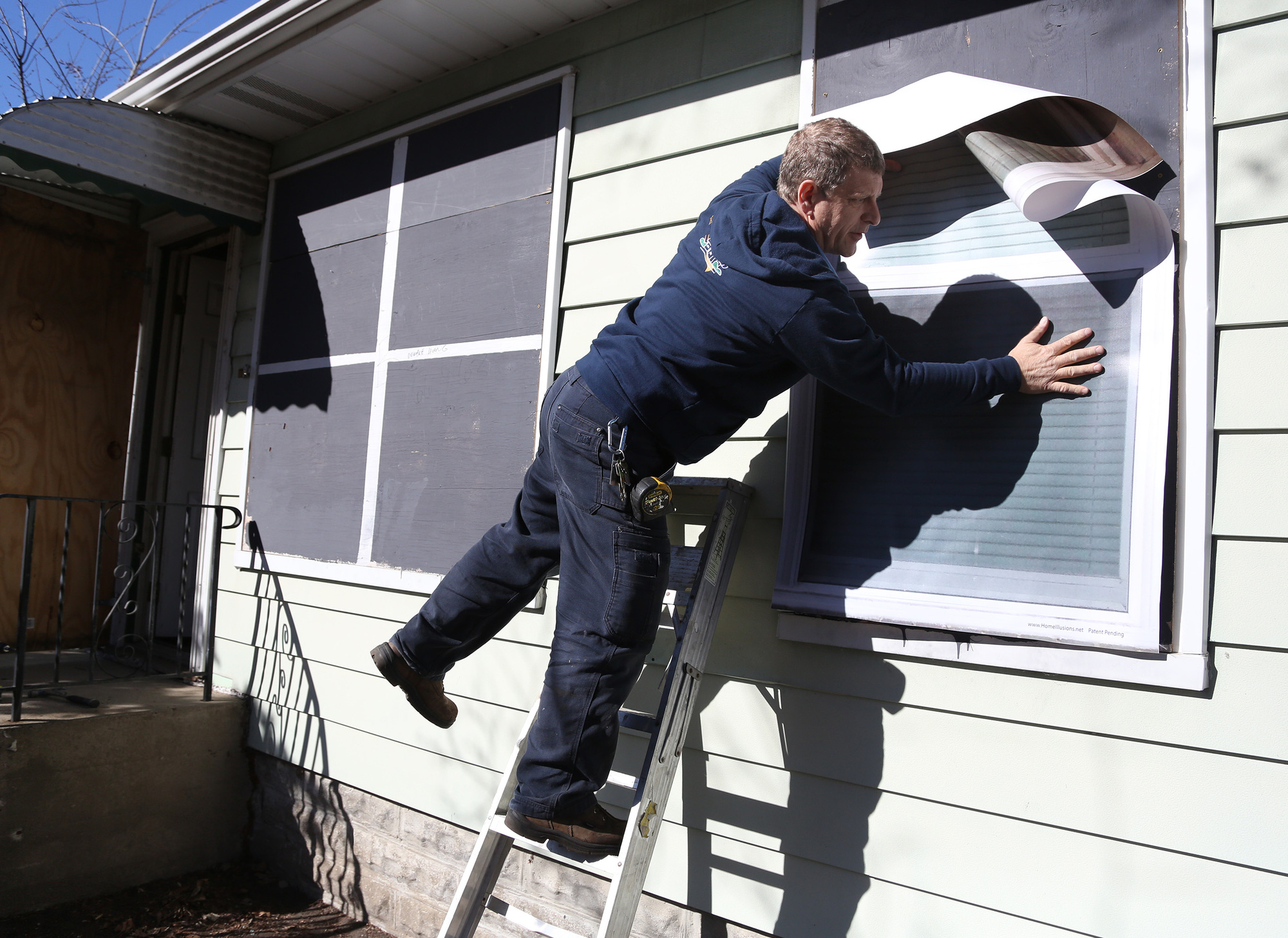
Empty homes can also attract trespassers. Copper, appliances, and HVAC components are common targets. Reduce risk by rekeying locks, adding motion lights or cameras, closing blinds but leaving a few lights on timers, and scheduling regular walk-throughs. If the property is far away, a bonded property caretaker or a reputable handyman can check it on a set schedule.
Run the breakeven: when waiting costs more than it pays
You do not need a complex model. Start with your true monthly carry number from your worksheet. Estimate the realistic sale price today as-is, and the price later after the work you plan. Subtract the repair budget and selling costs from the later price to get your net later.
Now compare. How many months of your carry would it take to reach that net later, and what risks might add surprise costs during that time. For example, if you expect to net more later, but it would take many months of carry plus the chance of a large repair, waiting may not pencil out. If the difference is small, reducing time on market often beats holding out.
Choose a path: list, repair, rent, hold briefly, or sell as-is
List with light prep when the house is fundamentally sound, you can afford a few months of carry, and you want to reach the widest pool of buyers. Fresh paint, deep cleaning, yard work, and safety fixes often pay back without opening bigger projects. This fits when timelines are flexible and you can keep utilities on for inspections and appraisal.
Repair before selling when the needed work is well defined, you have bids in writing, and you can manage contractors. This can improve price, but adds time and surprise risk if scopes expand. Cap your budget, include a contingency, and set a hard stop date to reassess.
Rent or place a caretaker when you need to offset carry and the home is rentable with limited work. Factor in landlord responsibilities, local rules that vary by state, fair housing, and the cost of screening, deposits, and possible vacancies. A professional property manager may help if you live far away.
Hold briefly when there is a clear, near-term catalyst, such as completion of probate paperwork, a lien release, or seasonality in your area. Put a date on the calendar to recheck the breakeven and avoid drifting for months. During the hold, complete low-cost risk reducers like insurance changes and regular inspections.
Sell as-is directly when speed, certainty, and reduced risk matter more than squeezing the last dollar. This can fit if the property needs significant repairs, you live out of the area, or carrying costs and stress are high. A company like OC Acquisitions can make a straightforward as-is offer, let you compare it to listing or repairing, and you choose what best fits your situation.
What to do this week to cut vacant-home costs
- Call your insurance agent to ask about vacancy rules, endorsements, and inspection requirements, then confirm changes in writing.
- Create a one-page carry sheet listing taxes, insurance, HOA, utilities, lawn or snow, security, and convert all to a monthly total.
- Schedule a full interior and exterior walk-through, take photos, test water shutoffs, and look for leaks, pests, and soft spots.
- Get two written bids each for lawn care, cleaning, rekeying, and basic handyman checks, and set a recurring service schedule.
- Decide whether to keep heat and limited electricity on or to winterize and shut water off, based on climate and your insurer’s rules.
- Install or activate motion lights, window pins or longer screws on door plates, and plug-in light timers. Post a no trespassing notice.
- Gather three quick sale price opinions, such as a local agent’s CMA and two as-is buyer offers, to plug into your breakeven math.
Common questions
How long can a house sit empty before insurance will not cover it?
Many homeowner policies reduce or exclude coverage after 30 to 60 days of vacancy, but details vary by policy and state. Call your agent, disclose the vacancy, and ask for a vacancy endorsement or a vacant property policy. Get the requirements in writing so you know what to do to keep coverage.
Should I keep utilities on in a vacant home?
Often yes, at least electricity for lights and sump pumps, and heat to a safe minimum in cold climates. In warm, humid areas, limited HVAC or a dehumidifier can help prevent moisture damage. If you shut water off, have a plumber winterize the system so pipes do not burst.
How do I secure a vacant property against squatters or theft?
Rekey exterior doors, add motion lights and cameras, and use light timers so the home looks lived in. Clear mail, maintain the yard, and ask a trusted neighbor or service to perform scheduled checks. For high-risk areas, consider reinforced door hardware, window screws or security film, and documenting visits in a simple log.
This article is general information, not legal, tax, or financial advice. Rules and timelines vary by state and by situation, so confirm specifics with a qualified professional before you act.