You are suddenly responsible for a house no one lives in. The lawn needs care, mail piles up, and the neighbors are asking questions. You may not even have the keys, the policy, or the alarm code yet.
Before anything else, decide who in the family has authority to act and pay bills. Then focus on security, insurance, and basic upkeep so the property does not deteriorate or create liability while you decide what to do long term.
Secure the structure and limit access
Change or rekey all exterior locks, including garage and sheds. If you do not have keys, hire a locksmith and keep a clear log of who now has access. Use a lockbox with a fresh code only for trusted people who are working at the property.
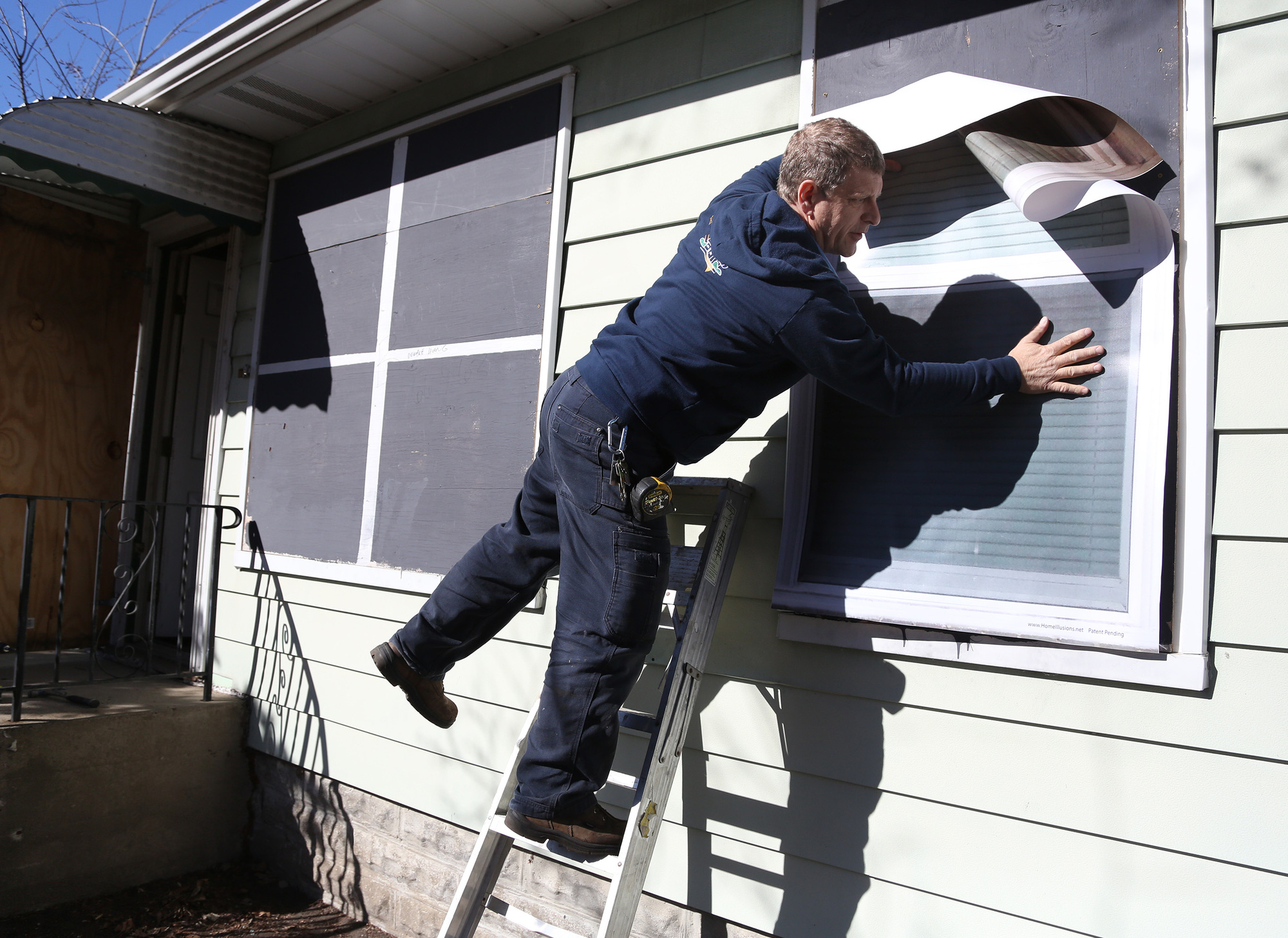
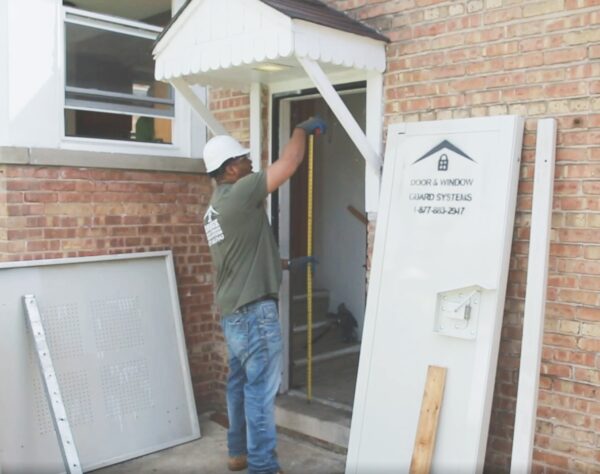
Walk the exterior and fix easy targets. Close and latch all windows, add window pins on ground-floor sliders, and replace any broken panes. Install motion lights at entries. Post a simple “property monitored” sign even if you only use a basic camera.
Make the home look lived-in. Forward mail or set up a hold with the postal service. Arrange lawn care and, in colder areas, snow removal. Use interior timers for a few lights and keep blinds in a normal position, not all closed or all open. Ask a nearby neighbor to text you if they notice anything unusual.
Keep insurance valid for a vacant home
Call the current carrier listed on the policy. Ask if the home is considered vacant under the policy language and by what date. Many policies limit or exclude coverage after a set period of vacancy, so you may need a vacancy endorsement or a different policy type.
Confirm required protections to keep coverage active. Some carriers require someone to inspect the home on a weekly or biweekly schedule, heat set to a minimum in winter, or water shutoff and winterization. Put inspections on the calendar and keep a dated photo log in case you need to prove diligence.
Update the named insureds and mailing address. If the policy is in the deceased owner’s name, ask how to reflect the estate or trust. Give the insurer your contact info and the person with legal authority, such as the executor or successor trustee, so notices do not get lost.
Stop small leaks from becoming big losses
Water and temperature are the biggest threats in an empty house. If freezing is a risk, have a plumber winterize the plumbing, shut off the main water valve, and drain lines and water heater. If you must keep water on, install easy leak detectors and clearly label the main shutoff.
Keep basic utilities that protect the structure. Electricity for sump pumps, fridge removal and cleanup if needed, and minimal lighting. In humid areas, run HVAC or a dehumidifier to prevent mold. Replace HVAC filters and clean gutters to keep water away from the foundation.
Set a recurring site check. Once a week, walk every room. Look for roof stains, soft floors near bathrooms, pest droppings, and signs of forced entry. Take dated photos and keep notes. Early detection is cheaper than emergency restoration.
Carry costs, liens, and legal status to track
List all accounts tied to the property. Mortgage or reverse mortgage, property taxes, HOA or condo dues, utilities, insurance, and any known contractor bills. Call each to confirm balances, due dates, mailing address, and hardship or estate departments.
Talk with a probate or real estate attorney about authority. You typically need letters of administration, letters testamentary, or trustee documents before signing contracts or selling. Ask what you can do now, such as paying urgent bills from estate funds, securing the home, and hiring maintenance.
Check for compliance issues. Some cities require vacant property registration or have rules on boarding windows, lawn height, or pool fencing. Ask the local code enforcement office what applies. If there is an HOA, request the resale or disclosure package and confirm any violations or fines.
If payments cannot be made, call early. Contact the lender’s loss-mitigation department to discuss options that may exist for estates. Ask the tax collector about payment plans. Document every call with dates, names, and summaries.
Choose a path: hold, list, repair, or sell as-is
Holding short term fits when the home is safe, insured, and affordable while you gather documents and the estate progresses. It still means paying monthly costs and keeping inspections and maintenance on schedule. Revisit this every 30 days to confirm it still makes sense.
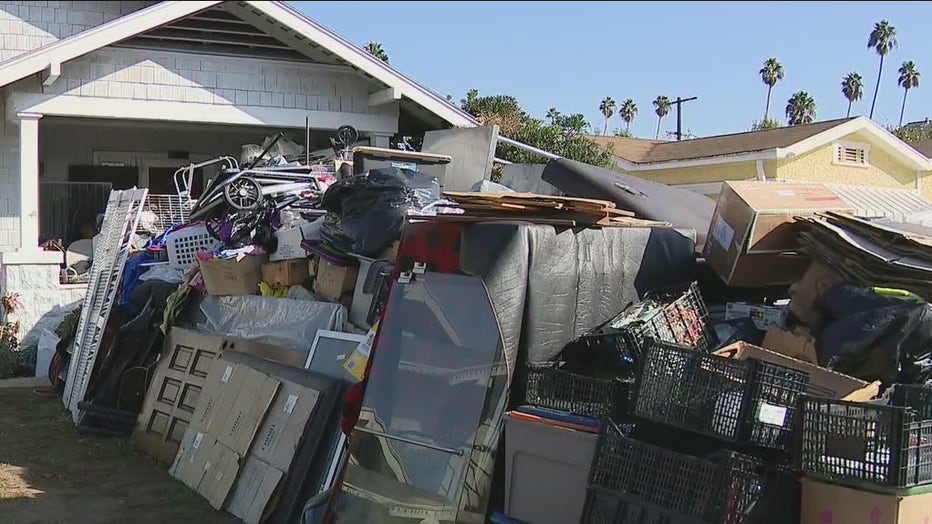
Listing with an agent tends to fit when the house is in marketable shape or needs only light work, and the family has time for showings, buyer inspections, and possible repairs or credits. Expect to clean out the property, address obvious safety issues, and wait through buyer financing and appraisal.
Repairing before sale can bring a higher price, but it adds risk. You will need cash or credit, permits in some cases, and reliable contractors. Factor in holding costs and the chance of surprises behind walls. Put a hard cap on spend and timeline before you start.
Renting is an option if the estate or heirs want to hold for income, have landlord experience, and can fund make-ready work and reserves. Consider liability, fair housing compliance, and local rental rules. A property manager can help, but it adds a fee and does not remove owner obligations.
Selling as-is to a direct home-buying company can fit when speed, certainty, or heavy repairs are the priority. This path often reduces showings, repairs, and the risk of buyer financing falling through. If you want to compare this option, you can request an offer from OC Acquisitions alongside agent pricing and your repair estimate.
Seven actions to reduce risk this week
- Gather keys, garage remotes, alarm codes, and any lease or service contracts you find at the house.
- Call the insurer to disclose vacancy, confirm coverage requirements, and update contact information for the estate or trust.
- Schedule a locksmith, a weekly property check, and basic exterior maintenance such as lawn or snow service.
- Shut off the main water valve and have a plumber winterize if freezing is possible. Set HVAC to protect against humidity or freezing.
- Forward or hold mail, remove obvious clutter or flyers, and set light timers in two rooms on staggered schedules.
- Create a property file with the deed or trust, death certificate copies, mortgage statement, tax bill, HOA info, and utility account numbers.
- Call the lender’s loss-mitigation line and the tax office to confirm balances, due dates, and where to send payments from the estate.
Common questions
How long can a house sit vacant before insurance is a problem?
Many policies reduce or exclude coverage after a set period of vacancy, often measured in days. Call the carrier and ask about their definition of vacancy, required steps, and whether you need a vacancy endorsement or a different policy.
Do I have to register a vacant inherited property with the city?
Some cities require vacant property registration and may assess fees or inspections. Call your local code enforcement office to ask if there is a registry, deadlines, and minimum maintenance rules for lawns, pools, and securing openings.
Should I keep utilities on in a vacant house?
Keep what protects the structure and your insurance compliance. Electricity is usually needed for sump pumps, alarms, and light timers. Water can often be shut off and the system winterized, especially where freezing is a risk. Confirm any utility requirements with your insurer.
This article is general information, not legal, tax, or financial advice. Rules and timelines vary by state and by situation, so confirm specifics with a qualified professional before you act.