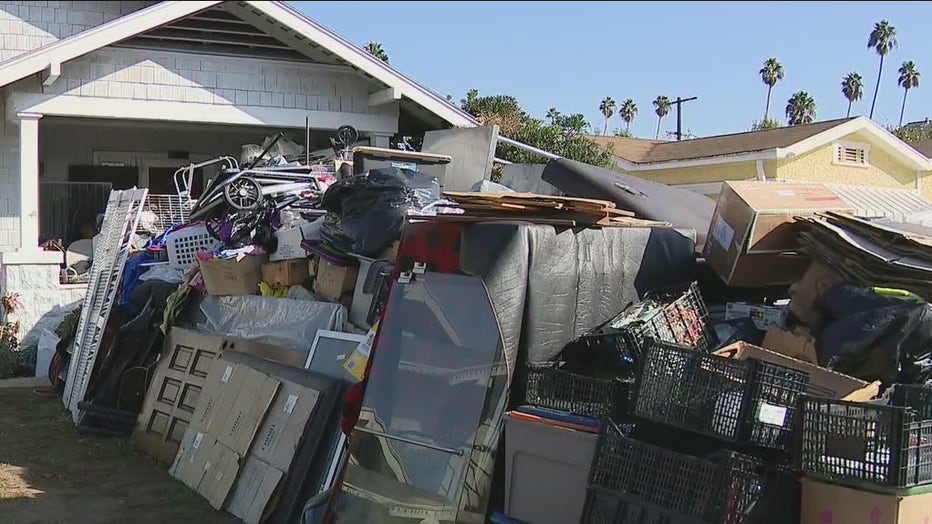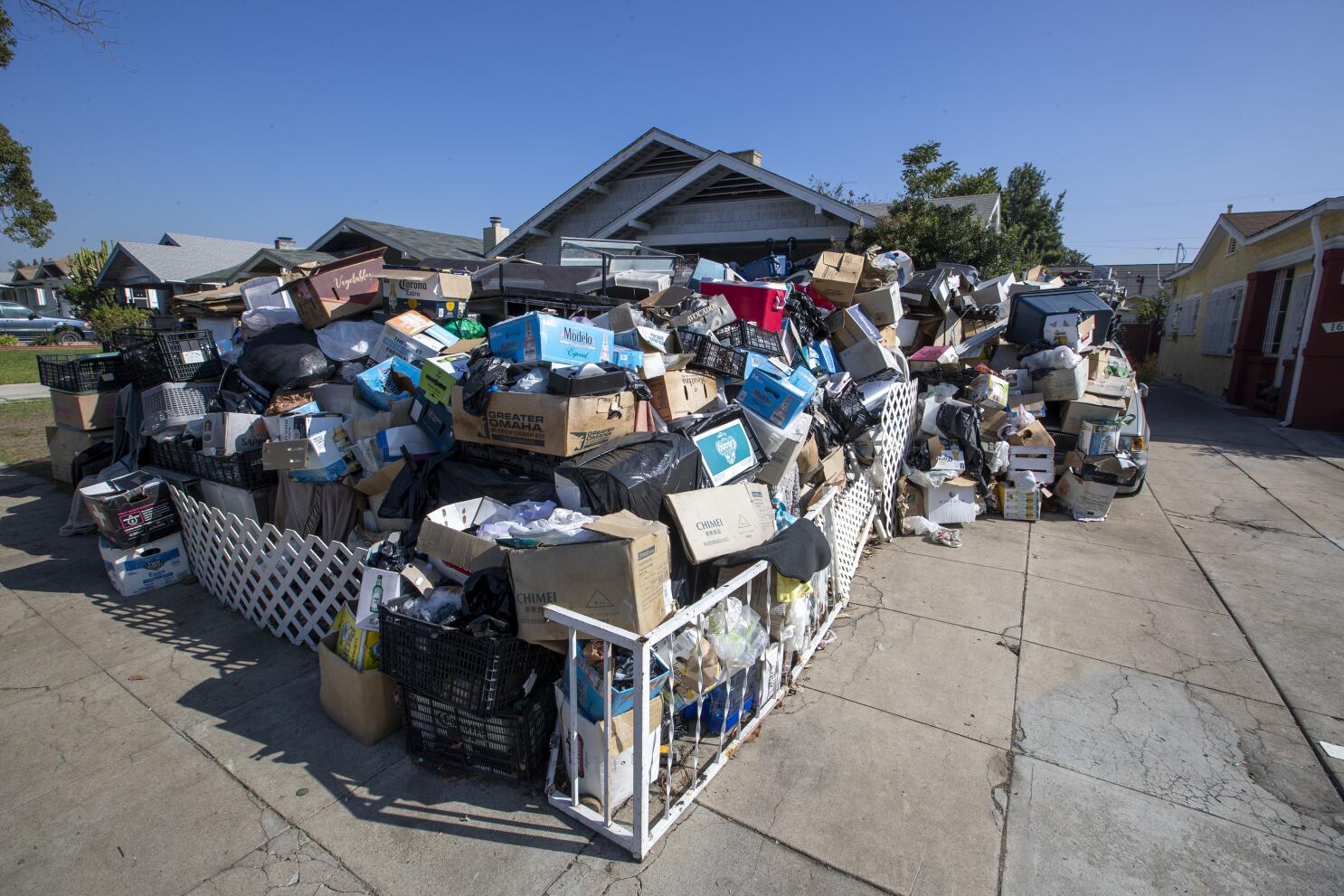
You have a house with issues. Maybe it needs work, the tenant will not leave, or there is a title or tax snag. You are deciding whether to list it and hope the market will carry it, or take another path that is faster and cleaner.
Before you pick a path, pin down the real cost to sell. The headline price means little if the net keeps shrinking from credits, repairs, and delays. Run the math now so you are not surprised later.
What listing a problem home really nets after credits
Buyers typically ask for help when a property has visible defects or uncertainty. Expect inspection credits, closing cost concessions, or both. If the buyer’s lender flags safety or habitability items, concessions may grow or you may be asked to fix issues before closing.
Price reductions are common after inspection on homes with roof, HVAC, plumbing, or structural concerns. You might agree to a credit at closing, replace an item, or lower the price to keep the deal alive. Each path reduces your net even if the contract price stays the same.
Inspection fallout and repair requests you should price in
Minor items add up. GFCI outlets, broken window seals, soft spots, and slow drains often show on reports and invite a credit request. Bigger issues like roof leaks, active termites, foundation movement, or mold can trigger lender conditions or kill buyer confidence.
Decide now which items you would actually repair and which you would rather credit. Get at least one written bid for any big-ticket item you already suspect. Having bids in hand lets you counter with a realistic credit instead of guessing under pressure.
Time costs: carrying, double moves, and fall-through risk
Longer timelines cost money. During listing, escrow, and any re-list after a fall-through, you still pay mortgage interest, taxes, insurance, utilities, lawn or pool care, and possibly HOA dues. If the property is vacant, you may also face vandalism risk and higher insurance premiums.
Problem properties fall out of contract more often. Financing can fail when the appraisal conditions repairs, or when title or occupancy is unresolved. Build a buffer for at least one failed escrow and the extra months of carrying that come with it.
The seller-side fee stack you should expect to see
Beyond credits and repairs, most sellers pay negotiated agent commissions, title and escrow or attorney closing fees, transfer tax where applicable, recording fees, and possibly owner’s title insurance. If there is an HOA, plan for resale documents, transfer fees, and unpaid dues. Some locales also collect local taxes or stamps at transfer.
Liens and prorations change the net as well. Property taxes, utilities, rents, and security deposits are usually prorated to closing. Any unpaid mortgage interest, late fees, municipal fines, or code enforcement charges come off the top. If you received prior insurance proceeds for a repair you did not complete, a buyer or lender may require proof of work or an escrow holdback.
Choose your lane: list, repair first, hold or rent, work with the lender, or sell as-is
Listing as-is fits when the property’s issues are modest, you have time to manage showings and inspections, and you can tolerate a repair credit or two. It may yield a higher headline price, but be ready for concessions and longer timelines. Strong photos, upfront disclosures, and sharing recent bids can reduce surprises.
Repairing first can pay off if a few targeted fixes would remove common lender objections. Focus on roof leaks, active pests, safety items, and major system failures. The tradeoff is out-of-pocket cash, contractor delays, and the risk you do not recoup every dollar.
Holding or renting can make sense if the house is safe, insurable, and you can stabilize it with modest work. Factor in vacancy risk, landlord laws that vary by state, and ongoing maintenance. A property that already strains your time or cash may not improve with tenants.
Working with the lender is an option if payments are behind. Ask loss mitigation about a repayment plan, loan modification, forbearance, or a short sale. Short sales can reduce pressure but add months and require buyer patience.
Selling directly as-is to a home-buying company can fit when you need speed, certainty, and no repairs or showings. You trade off some top-line price for fewer credits, fewer fees, and a known closing date. If you want an apples-to-apples net offer, ask a company like OC Acquisitions to itemize their price, expected costs they cover, and your estimated net at closing.
One-week reality check to size your true net
- Pull your latest mortgage statement and note principal balance, interest rate, and any arrears or fees.
- Call your county tax collector to confirm unpaid taxes, penalties, and next due date. Save the payoff letter or screen image.
- Order a preliminary title report or ask a title company or closing attorney what liens or judgments appear under your name and the property address.
- Schedule a pre-listing walkthrough with a trusted contractor or inspector and get written bids for the top 3 known issues.
- Ask a real estate agent for a seller net sheet that lists typical local fees, prorations, and a realistic concession line item.
- Estimate carrying costs for 3 to 6 months, including mortgage, taxes, insurance, utilities, HOA, lawn, and pool service.
- Gather HOA documents, prior permits, warranties, and any past insurance claim paperwork to head off lender or buyer delays.
Common questions
How much do sellers usually give in credits on a fixer?
There is no standard number because requests vary with condition, inspection results, and lender requirements. Plan for the possibility of multiple credits or a price reduction, and use contractor bids to anchor negotiations.
Can I list a house with code violations or open permits?
Often yes, but it may limit your buyer pool and slow closing. Some lenders will not fund until certain violations are cleared or permits are closed, so expect repair requests, escrow holdbacks, or a cash buyer if issues are significant.
Will selling as-is mean I avoid all closing costs?
Not necessarily. Some companies cover many fees, but you may still owe prorated taxes, HOA dues, lien payoffs, or government transfer charges. Ask for a written breakdown so you can compare the net to listing and other options.
This article is general information, not legal, tax, or financial advice. Rules and timelines vary by state and by situation, so confirm specifics with a qualified professional before you act.