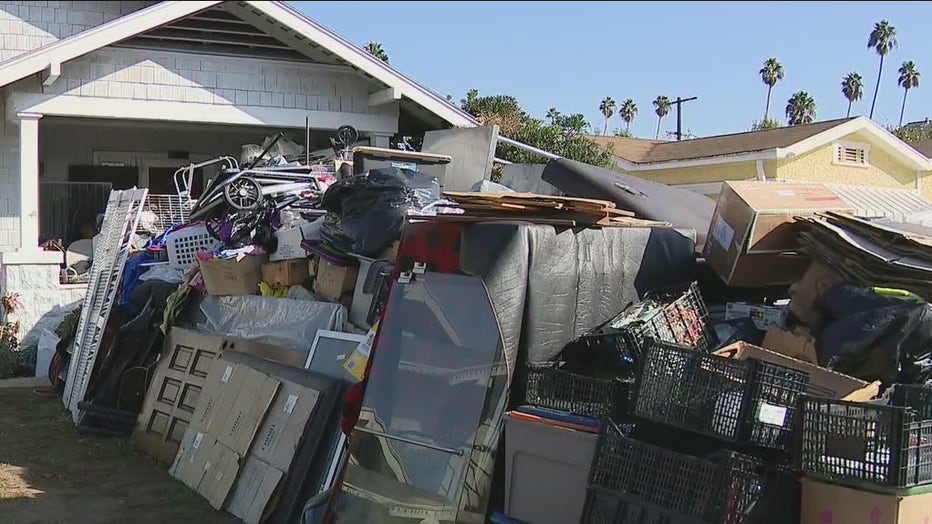
You are worn out. Late rent, repairs that never end, and calls at odd hours. Before you put more money into a problem rental, pause. Look at risk, cost, and time. Decide if keeping it still makes sense.
Start with a simple goal. Are you trying to stop monthly stress, get the most cash out in the end, or free up time fast, even if it means taking less? That choice guides every number you gather and every path you consider.
Measure vacancy and turnover risk, not just rent
Pull the lease, payment history, and lease end date. Note any month-to-month status. If the tenant is behind, track how many days and how often. Add any open notices or payment plans.
Price the current rent against market. If you raise rent to market, will the tenant leave and how long could it sit vacant? Estimate carrying costs for 60 to 120 days, including mortgage, taxes, insurance, utilities, lawn care, and basic maintenance.
List any barriers to quick re-renting. Pets, property condition, odd layout, or location near noise can stretch vacancy. If local rules require longer notice to increase rent or end tenancy, your timeline will be longer. Rules vary by state.
Scope deferred maintenance and compliance exposure
Do a safety-first walkthrough. Test smoke and carbon monoxide alarms, GFCI outlets, handrails, locks, windows, and exterior lighting. Look for water stains, soft floors, roof age, HVAC age, and evidence of leaks or pests.
Ask a handyman or inspector for a punch list with photos and a rough cost range. Include any likely permit items, especially electrical, plumbing, structural, or water heater placement. If you have a septic or sewer line, note last service date.
Call your insurance agent. Confirm current coverage, any open claims, and known conditions that could cause nonrenewal. Some carriers flag older roofs, knob-and-tube wiring, or long vacancy. Noncompliance can force quick and expensive fixes.
Estimate real net proceeds under different paths
Build three scenarios. One, sell as-is with tenants. Two, sell vacant as-is. Three, repair and list retail. For each, estimate sale price, days to close, and your cash in and out before closing.
List costs that change by scenario. Repairs and make-ready, rent concessions, cleaning and hauling, utilities during vacancy, insurance changes, property taxes, transfer and recording, title and escrow fees, commissions if you list, and any landlord-paid credits. Add mortgage payoff, unpaid utility liens, HOA dues, and any fines. Ask the county or title company about outstanding amounts.
Do not forget income and tax effects. Rental losses may reduce taxes in some cases, and gains may be taxed. A tax professional can explain depreciation recapture and timing. If you plan a like-kind exchange, deadlines and rules are strict and vary by situation.
Resolve tenant friction with clear, lawful steps
Keep records tidy. Save the lease, addenda, rent ledger, notices, maintenance requests, photos, and messages. If you discuss a move-out, confirm in writing. Use dated, signed agreements for any payment plans or early termination.
If you want the unit back, learn the required notice and cause rules where you are. In some places you can end month-to-month with notice. In others, you need a specific reason or longer timelines. A landlord-tenant attorney can outline options and forms.
Consider a voluntary move-out agreement, often called cash for keys. Offer a specific date, condition standards with a simple checklist, a final walkthrough, and payment on key handoff. If you must evict, ask an attorney about typical timelines, filing fees, service costs, and court availability in your area. Selling with a tenant in place is possible, but fewer buyers may accept it if rent is below market or the tenant is not cooperative.
Choose your exit: hold, fix, list, refinance, or sell as-is
Hold and stabilize if the tenant is paying, safety items are minor, and rent can be brought to market with lawful notice. This fits when vacancy risk is low and you still want rental income. Budget for recurring upkeep and set aside reserves equal to several months of expenses.
Repair then list retail if the property will appraise well and you can fund the work. This path tends to net more on paper but takes time and carries vacancy and change-order risk. Use written bids, a simple scope, and a clear finish line before you list.
List as-is if repairs are too disruptive but the place shows decently. Expect a wider range of offers and some buyer requests after inspection. Price the hassle into your list price and be ready for credits.
Refinance or a workout with your lender if payments are the issue, not the asset itself. Ask loss mitigation about options like rate reductions or term changes. A HUD-approved housing counselor can help you prepare numbers and questions.
Sell as-is directly to a reputable home-buying company if you want speed and certainty more than top dollar. This can fit when you have major repairs, nonpaying tenants, probate or title issues, or you live far away. Companies like OC Acquisitions typically handle cleanout and flexible closings. Compare any direct offer against your net in other paths before deciding.
What to gather and do this week
- Lease, addenda, and rent ledger for the last 12 months. Note deposit amount and where it is held.
- Three months of mortgage statements, property tax bill, insurance declarations page, and utility averages.
- Two quick repair bids for the top five safety or habitability items, with photos and timelines.
- A basic market check: two agent opinions and at least one as-is cash offer to compare net numbers.
- Written estimate of holding costs for 90 days, including loan, taxes, insurance, utilities, and yard care.
- Call a landlord-tenant attorney for a short consult on notice, deposit handling, and any local rules. Take notes.
- Request a mortgage payoff letter and ask a title company to preliminarily check for liens or HOA balances.
Common questions
Can I sell a rental with tenants who are behind on rent?
Yes, you can sell with a tenant in place, even if they are behind. Expect a smaller buyer pool and price adjustments for risk. Some buyers will require vacant possession, so factor in time and cost to resolve the tenancy if you choose that route.
Do I have to return the security deposit when I sell the property?
The deposit usually transfers to the new owner or is returned to the tenant according to the lease and state law. You must account for it in writing and hand over records and funds at closing. Rules on deadlines, itemizations, and allowable deductions vary by state.
Is cash for keys legal and how much should I offer?
Voluntary move-out agreements are generally legal if they are not coercive and are put in writing with clear dates and terms. The amount is a business decision tied to market rent, turnover cost, and your timeline. An attorney can review your agreement and confirm any local notice or relocation requirements.
This article is general information, not legal, tax, or financial advice. Rules and timelines vary by state and by situation, so confirm specifics with a qualified professional before you act.