
You just inherited a house, and it is full of a lifetime of belongings. Before you think about photos, showings, or a closing date, you have to decide what happens to everything inside.
The first decision is not cosmetic. It is planning. Who is allowed to act, how you will access the property, what gets kept or removed, and which vendors do the work. Those choices often decide how fast you can sell, and at what cost.
Confirm authority and access before touching a box
If probate is required in your state, make sure the personal representative has formal authority, often called letters of administration or letters testamentary. Without that, a clean-out can create disputes, and buyers or title companies may question your right to sell.
Secure the property right away. Change locks if needed, collect keys, codes, and remotes, and confirm who has permission to enter. Call the insurance carrier to keep coverage active for a vacant home, and keep basic utilities on so vendors can work and any inspections can happen.
Map the contents: what to keep, sell, donate, or discard
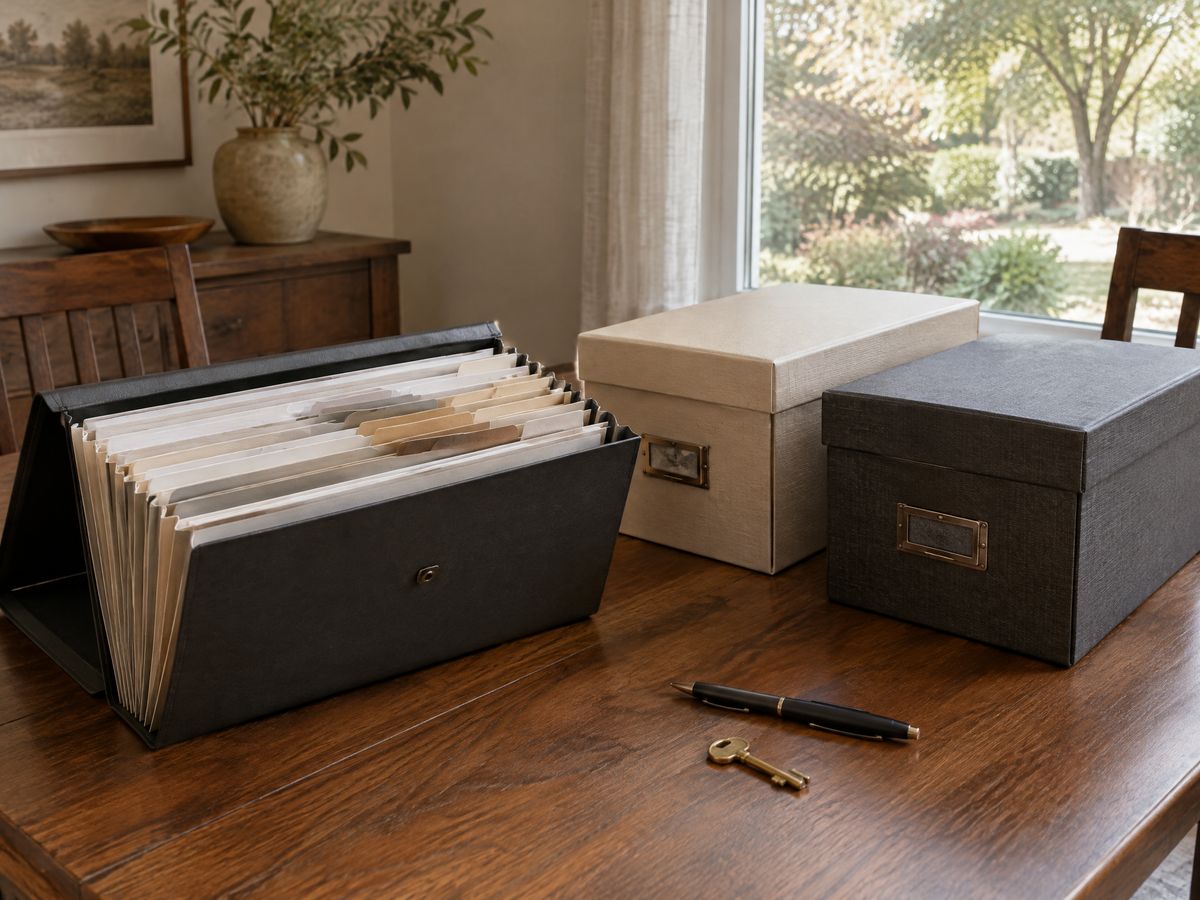
Start with a quick survey room by room. Photograph each room, note any safes, documents, jewelry, firearms, and collectibles. Separate legal and financial papers like deeds, wills, tax returns, titles, and insurance policies. These do not go to the dumpster.
Create four labeled zones: keep, sell, donate, discard. For valuables or uncertain items, a reputable appraiser or a consignment or estate sale company may make sense. Ask about their fee structure, security, and timeline. For hazardous items like paint, chemicals, or old electronics, check local disposal rules, which vary by state and municipality.
Vendors and scheduling that drive your calendar
Your timeline will follow the vendors you book. Typical sequence is document retrieval, heir selection of keepsakes, estate sale or consignment pickup, donation pickup, then junk hauling and deep cleaning. If you need a dumpster, order it early and confirm driveway weight limits and HOA rules if any.
Get written estimates with dates. Ask each vendor for duration, crew size, what they will not take, and whether they sweep out afterward. If the property is older, ask about lead paint precautions and how they handle attics or crawl spaces. Build in buffer days for surprises, especially if there is a shed, basement, or storage unit.
Costs, liens, and tax-sensitive decisions during clean-out
Set a budget before you authorize work. Typical costs may include locksmith, insurance premium for vacancy, dumpster or hauler, cleaners, and estate sale or consignment fees. Pay from an estate account when possible, and save every invoice and receipt in one folder. If the estate is short on cash, ask vendors about staged work or partial loads to keep things moving.
Check for bills that can derail a sale. Unpaid property taxes, HOA dues, utility arrears, or municipal violations may grow while the house sits. Call the tax collector and HOA for payoff amounts and mailing addresses. For donations, get itemized receipts for the estate’s records. For tax questions like basis step-up or whether to sell contents separately, talk with a tax professional.
Which sale path fits your clean-out plan
If you plan to list with an agent, a thorough clean-out, minor repairs, and cleaning typically help photos and offers. This path may fit when multiple heirs want to aim for top dollar and you have time to manage vendors and showings.
If you want a faster timeline and less handling, a partial clean-out may be enough. Some buyers accept broom-swept condition or agree to remove remaining items after closing for a price tradeoff. This can work when the estate needs certainty on dates or cannot coordinate multiple heirs for every decision.
If you do not want to manage repairs or buyer demands at all, a direct as-is sale to a company like OC Acquisitions can compress the timeline. This often fits when probate authority is in place, the property needs work, or the contents are heavy and you prefer to take only the items you want and leave the rest. You can compare the net after fees and time against a listed sale, then choose the path that matches your priorities.
Seven steps to set your estate clean-out and sale timeline this week
- Confirm who has legal authority to act and get copies of letters of administration or testamentary, plus photo ID.
- Secure access: change locks, gather keys and codes, keep utilities on, and confirm vacant-home insurance coverage.
- Photograph each room, then separate documents and valuables into a locked bin or offsite storage.
- Contact two junk haulers, one estate sale or consignment company, and one cleaner for estimates and dates.
- Order a dumpster if needed, and verify placement rules, driveway protection, and what can or cannot go in it.
- Create a written keep, sell, donate, discard plan that all heirs sign off on, with a firm start and finish date.
- Call the tax collector, HOA, and utility providers for current balances and mailing addresses, and save all receipts.
Common questions
Do I need to wait for probate before cleaning out an inherited house?
Often you need formal authority before removing or selling contents, especially if there are multiple heirs. Talk with a probate attorney about your state’s rules and timing. At minimum, you can usually secure the property and gather essential documents right away.
How long does an estate clean-out usually take?
A small, lightly furnished home may take a few days once vendors are scheduled. A larger home with a full garage, attic, and shed can take several weeks, especially if you hold an estate sale and then do hauling. Vendor availability and heir decisions are the biggest variables.
Who pays for junk removal and cleaning, the heirs or the estate?
Typically these are estate expenses paid from the estate account, subject to available funds and your state’s probate rules. Keep invoices and proof of payment for the personal representative’s accounting. If heirs advance funds, document it for reimbursement if allowed.
This article is general information, not legal, tax, or financial advice. Rules and timelines vary by state and by situation, so confirm specifics with a qualified professional before you act.