
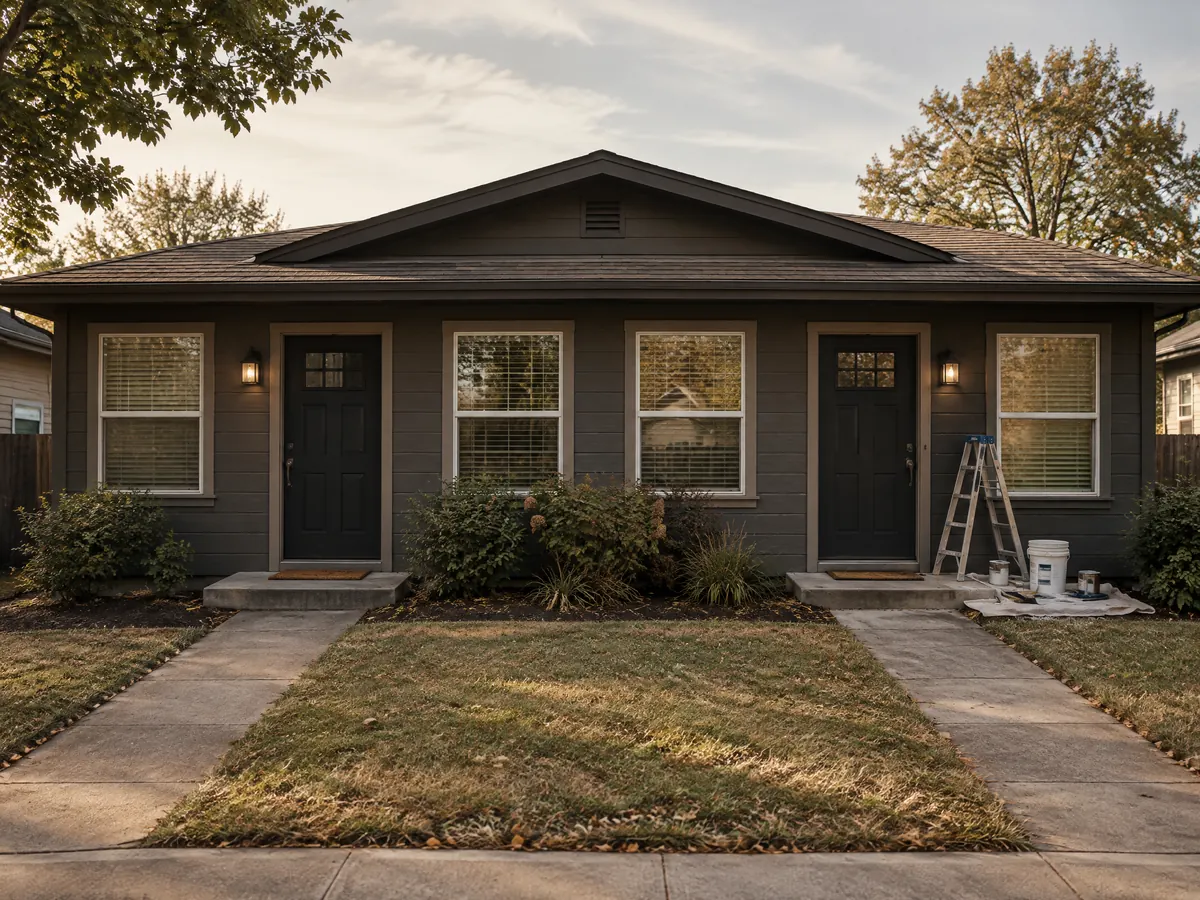
If you own a rental and feel worn down after another summer turnover, this is for you. You might be staring at repairs, a vacant month, and a fall calendar filling up.
Use this to weigh whether to hold through another lease cycle or to plan a clean exit. The goal is a calm, numbers-first decision that fits your time, budget, and stress level this season.
Turnover cost, counted the simple way
Summer often brings move-outs, cleaning, and coordination. Add up the true cost, not just the handyman invoice. Include lost rent days, cleaning, paint, flooring touch-ups, yard work, lock changes, utilities you cover, pest service if needed, and your own time value. A simple test is to price your time at a steady hourly rate and multiply by hours spent.
List three scenarios: light refresh, moderate refresh, and full make-ready. Gather two quotes for each. Many owners underestimate small line items like dump fees, appliance delivery, and permit pulls. If the total eats more than one month of expected rent, consider whether a longer lease or a sale avoids repeating the cycle next year.
Lease timing around back-to-school and holidays
If you renew now, the next natural end date often lands near late spring or mid-summer. That can help future re-rents, but only if you plan the term length. A 10- to 12-month lease signed in July can set the next vacancy for May or June. Shorter bridge terms can push move-outs away from winter holidays and storms.
Check local lead times for school starts, fall breaks, and severe weather seasons. Map your lease expiration to avoid November through January turns if you can. If you are leaning toward selling, setting a month-to-month or a lease that ends before year-end may simplify timing for listing or a direct as-is sale without displacing a family during finals or holidays.
Capex fatigue, or when the big stuff wears you down
Capital items are the budget breakers: roof, HVAC, plumbing stacks, siding, windows, major electrical, and foundation work. Create a 24-month forecast with best-guess timelines and rough costs. Ask a roofer, HVAC tech, and plumber for written life-expectancy notes after a service visit. Small inspection fees now can prevent emergency work later.
If two or more big systems are aging out within the same year, that often shifts the math. Price the rent you realistically collect against a reserve equal to 5 to 10 percent of annual rent plus known capital items amortized over their remaining life. If funding those reserves feels unrealistic, consider either a sale before replacement, or a rent increase paired with clear maintenance upgrades that justify it. Rules on increases and notices vary by state.
When a rental exit starts to make more sense
An exit may be practical when the unit sits vacant longer each turn, when you live far away, or when repairs keep stacking. Family changes also count. If you are caring for someone, traveling for work, or handling an estate, a simpler path can matter more than squeezing the last dollar.
Decide if you want to exit after a tenant moves, or to sell occupied. Selling vacant usually brings a wider buyer pool but adds carrying costs and turn costs. Selling occupied can be quieter, but buyers may discount for limited access or a below-market lease. Review your lease terms for showing rights, notice periods, and early termination clauses before you choose.
Compare your paths: repair, list, hold, rent again, or sell as-is
Repair and hold. Best when you have reserves, reliable vendors, and steady demand. You accept the work in exchange for ongoing income and depreciation benefits. Keep a 3- to 6-month expense reserve and schedule fall maintenance now.
List with an agent. Strong fit when the home shows well, you can fund make-ready, and you want broad exposure. Expect photos, open houses, buyer inspections, and repair requests. Plan for 30 to 60 days of carrying costs after listing, plus closing costs and any concessions.
Rent again. Choose this if your net after expenses still beats your next best use of funds and time. Lock in a term that pushes the next vacancy into late spring or early summer. Consider pet policies and minor upgrades that reduce future wear.
Sell occupied to another landlord. Works when the tenant pays reliably and the lease has time left. Provide rent rolls, a copy of the lease, deposits, and any notices. Expect a price adjustment for limited showings or below-market rent.
Sell as-is to a direct buyer. Useful if you want a certain timeline, prefer to skip make-ready, or have title, tax, or repair hurdles. You trade some price for speed and simplicity. A company like OC Acquisitions can review photos, utilities, insurance claims, and payoff info, then give a no-obligation number so you can compare without starting repairs.
Q3 landlord punch list, before school starts and storms roll in
- Pull last 12 months of rent received, repairs, utilities, lawn and pest invoices, and tally a net number per month.
- Get two make-ready quotes with line items for paint, flooring, cleaning, locks, minor plumbing, and appliance haul-away.
- Call your insurance carrier to confirm renewal date, deductible, loss-of-rent coverage, and any roof or water exclusions.
- Download your loan payoff statement and confirm prepayment or assumption terms, plus any escrow shortage tied to rising taxes or insurance.
- Schedule a quick roof, HVAC, and drain line check and ask for written life-expectancy notes and photos.
- Draft two lease timing plans: a bridge term that ends in spring, and a standard 12-month that ends next summer. Note notice periods required by your state.
- If leaning toward a sale, assemble documents now: lease, rent roll, security deposit ledger, recent utility bills, permits, and any warranties.
Common questions
How do I estimate vacancy loss during a summer turnover?
Use the average days it took to re-rent over your last two turns and multiply by the daily rent rate. Add days for cleaning and any permit-required work that may delay occupancy. Include utilities you pay while vacant and lawn care or pool service.
Is it better to sell with a tenant or wait for the unit to be vacant?
Selling occupied can be faster and avoids make-ready costs, but buyers may discount for limited access or below-market rent. Selling vacant can bring more interest and easier showings, but you carry utilities, insurance, and taxes until closing. Review your lease and notice rules, which vary by state.
What small upgrades cut future turnover costs the most?
Focus on durable surfaces and easy maintenance. Washable paint in common areas, click-lock vinyl plank flooring, LED fixtures, and high-quality bath fans reduce wear and moisture issues. Add exterior keyless entry and stop valves on toilets to limit weekend emergency calls.
This article is general information, not legal, tax, or financial advice. Rules and timelines vary by state and by situation, so confirm specifics with a qualified professional before you act.