
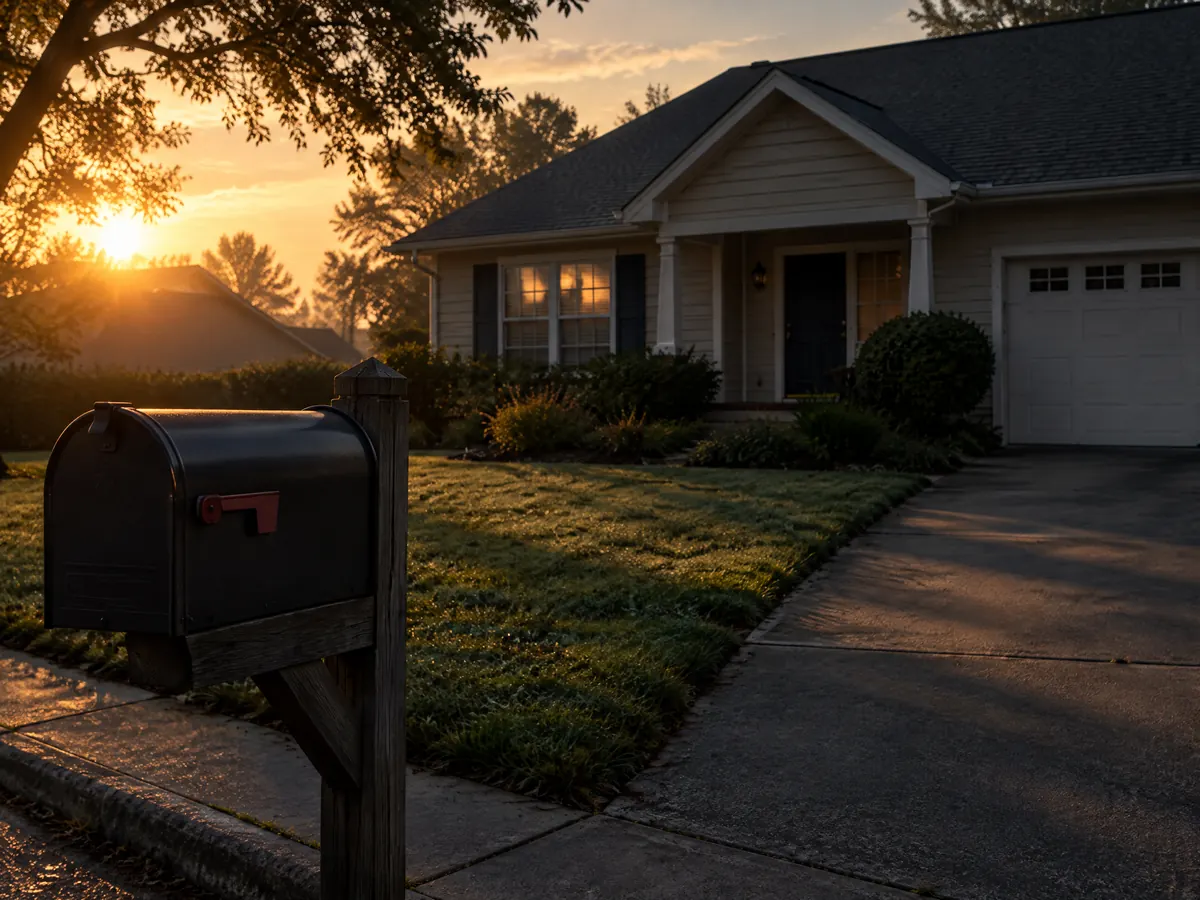
This is for owners staring at another quarter of bills, unfinished repairs, or family deadlines. You may be weighing one more contractor bid against the cost of three more months of carrying the house.
Use this to decide what to do before summer: which costs to count, which fixes to make, how patient buyers really are in spring, and how to set an exit date that sticks.
Carry drag in Q2: what another quarter really costs
Spring often brings bigger utility use, yard care, and insurance renewals. In many areas, property tax installments post or come due in late spring or early summer. Add any HOA dues and seasonal work like gutter cleaning, pest service, pool opening, or lawn contracts.
Write down monthly mortgage or interest-only amount, property tax set-aside or bill, homeowner’s insurance premium or escrow, utilities by actual average (water, electric, gas, trash, internet), HOA or condo fees, yard and pool service, and maintenance you deferred. Multiply by three for a quarterly figure. Then add a cushion for the surprise item that seems to hit every spring, like a sprinkler repair or AC tune-up.
If the house is vacant, include security measures and vacancy insurance surcharges. If it is occupied, include higher wear and tear and any lease obligations. Seeing a three-month total, not just a monthly guess, helps you compare against repair budgets and offers that close before summer.
Selective prep: small fixes that matter this season
In spring, outdoor first impressions carry extra weight. Low-cost wins typically include mowing and edging, trimming shrubs away from the house, fresh mulch, pressure washing walkways, cleaning windows, and swapping worn door hardware. These help both in photos and at showings after work or on weekends.
Inside, repair obvious safety and function items first. Replace dead smoke detector batteries, trip and reset GFCI outlets, fix leaky faucets, secure loose rails, and change HVAC filters. Clean or re-caulk tubs and sinks where staining looks worse in bright spring light. If you paint, stick to touch-ups or one room that photographs poorly, not the whole house unless you know the cost and time.
Skip complex projects unless you have firm bids, an available crew, and a clear payoff. Countertop swaps, roof replacements, or full bathroom work often spill past the school year end and into peak heat. If you must do a big job, plan a backup exit if timelines slip.
Buyer patience in spring: how long will they wait?
Spring buyers often juggle school events, graduations, and early summer trips. Many prefer to close before mid-summer or right after school ends. That can tighten their patience for repairs after inspections. Offers that looked strong in April may push for credits or faster concessions by June.
Plan for common inspection asks: electrical safety issues, roof leaks, active plumbing leaks, exterior wood rot, and HVAC service documentation. Have recent service receipts ready. If you cannot fix something fast, price a credit you can live with and offer it up front. A clean disclosure with proof of recent maintenance can keep a buyer engaged longer than another promise to call a contractor.
If you list, align showing windows around holidays and long weekends when people travel. If you sell directly, expect short timelines for access, a succinct document list, and quick decisions.
Exit timing: mapping your personal calendar to a close
Pull out the quarter’s calendar. Mark property tax dates, insurance renewal, HOA assessment dates, school release week, religious or national holidays, and any planned travel. Add lender-related dates like payment due date and grace period. Your true window may be narrower than it seems.
Typical closings take 30 to 45 days with a financed buyer, sometimes longer if repairs, condo approvals, or tenant issues exist. Cash buyers may close in 7 to 21 days, but only if title is clean and payoff statements arrive on time. If you have tenants, check notice requirements, which vary by state and by lease. If the home is in probate or a trust, ask your attorney what signatures or court steps are still needed and how long they usually take.
Work backward from a realistic move or handoff date. Pencil in deadlines for: final utility readings, insurance changes, mover scheduling, key contractor dates, and the date you want photos taken if you plan to list. Start ordering payoff and lien statements now, since some departments take a week or more to respond in late spring.
Comparing your realistic paths this quarter
Repair and list with an agent. Best when the house shows well with limited work, you can keep it photo-ready, and you can allow showings around spring events. Expect costs for selective prep, staging, holding during marketing, and buyer inspection credits. Plan on a 30 to 45 day closing after you accept an offer.
Hold through summer. Fits when carry drag is low, your schedule is crowded, or you are waiting on a life event. The tradeoff is another cycle of taxes, insurance, and upkeep. Reassess monthly with actual bills, not estimates.
Rent it out. Works when the property can pass local habitability standards and you can fund make-ready work. Set aside for property management, leasing fees, vacancy, and repairs that tend to surface in the first 90 days of a new tenancy. Check notice rules and lead time for advertising and screening, which often push you into late summer.
Sell as-is directly to a home-buying company. Useful when repairs are piling up, timing matters more than squeezing every dollar, or the house has title, tax, or occupancy complications. You skip showings and most prep, but you accept a pricing tradeoff versus a retail listing. If you want a no-obligation read on this option alongside your other paths, you can contact OC Acquisitions for a straightforward offer and timeline discussion.
Q2 action list before summer bills hit
- Pull three months of actual bills: mortgage or interest, tax set-aside or invoice, insurance, utilities, HOA, yard or pool, and routine services.
- Call your insurance agent and ask the renewal date, premium change, and any vacancy or short-term occupancy rules that might affect coverage.
- Order a mortgage payoff statement and, if applicable, HOA resale documents or condo questionnaires. Note any fees and turnaround times.
- Get two targeted repair bids only on safety or water-related issues, plus a simple curb appeal refresh quote. Ask for start dates, not just prices.
- Block your calendar for photo day, first showing window, and a preferred closing week. Note school and holiday conflicts.
- Gather receipts for HVAC service, roof patches, pest treatments, and appliance warranties. Scan them for quick sharing with buyers.
- Decide your walk-away date. If no listing agreement, acceptable offer, or signed purchase contract exists by that date, move to your next-best path.
Common questions
How do I decide between giving a credit and doing a repair in spring?
Weigh start dates and completion certainty first. If a contractor cannot start for two weeks and the buyer wants to close in four, a clean, well-documented credit often keeps the deal alive. Price the credit at a round number the buyer can accept without renegotiating every receipt.
Should I list before school lets out or wait until summer?
It depends on your readiness, not a specific week. If your prep is done, disclosures are complete, and you have a solid pricing plan, going live sooner usually reduces carry drag. Waiting is sensible only if it lets you present a clearly better home or solve a title or occupancy issue.
What if I have a tenant and want to sell this quarter?
Check the lease and state rules on notice and showings. Some owners offer a rent credit for cooperation and schedule showings within set blocks to reduce disruption. If timing is tight or the tenant is not cooperative, consider an as-is sale to a company that will honor the lease or close after the required notice period.
This article is general information, not legal, tax, or financial advice. Rules and timelines vary by state and by situation, so confirm specifics with a qualified professional before you act.