01
Understand the situation
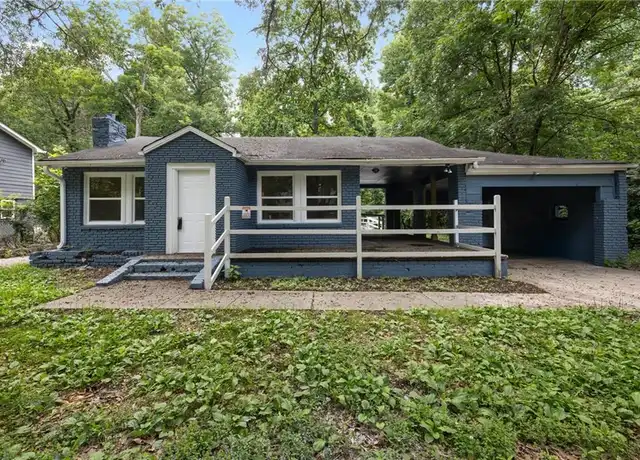
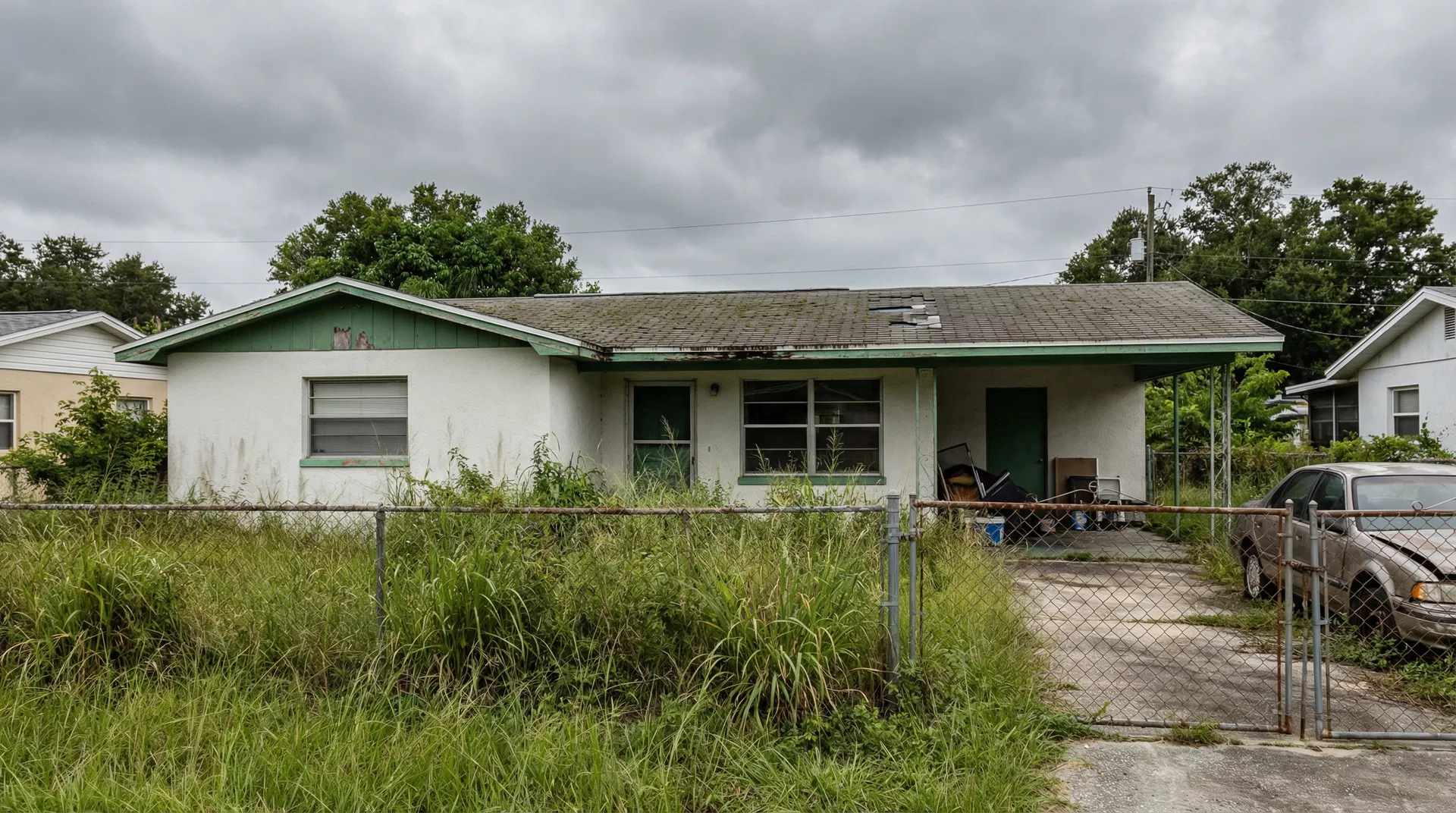
When the remaining margin is thin, small shifts in repair cost, concessions, holding time, or closing fees can wipe out proceeds quickly. That is why these situations need honest math first. A plan that only works under perfect conditions is usually not a reliable plan.
02
Gather the key facts
Start with payoff statements, any secondary liens, estimated condition costs, and the likely carrying expense if the property sits longer than expected. Once those numbers are visible, it becomes much easier to judge whether keeping the house, listing it, negotiating around debt, or selling directly is actually feasible.
03
Compare the realistic options
Owners in this position often look at listing if the property shows well, negotiating with lienholders or payoff parties, or reducing moving parts through an as-is sale. The best path depends less on headline value and more on whether the net outcome survives the real costs attached to the situation.